OPSB Family Resource Hub
  • About
  • For Providers
  • Product Resources
  • Blogs
  • Find a Clinic
Search Search
  • Scoliosis
  • Clubfoot
  • Lower Limb
  • Hip Dysplasia
  • Plagiocephaly
  • Femur Fracture
  • Prosthetics & Limb Difference
  • Surgical Resources
  • Menu Menu

Clubfoot Treatment Overview: What Parents Need to Know About Ponseti Casts, Mitchell AFO’s, and Team Care
When a child is born with clubfoot, the journey through treatment can feel overwhelming. Knowing what to expect, who is involved, and how each step works can bring comfort and confidence for families. This guide breaks down the treatment process from the first Ponseti cast to ongoing follow-up care, focusing on how orthotists and the rest of the medical team work together for the best results.

Understanding the Clubfoot Treatment Journey

Idiopathic clubfoot is a condition in which a child’s foot is turned inward and downward. It is not caused by anything done by the mother. Early treatment can correct the position, helping kids walk and play comfortably as they grow. The first phase usually starts within weeks of birth with the Ponseti method, a proven technique using a series of casts to gently guide the foot into the correct position.

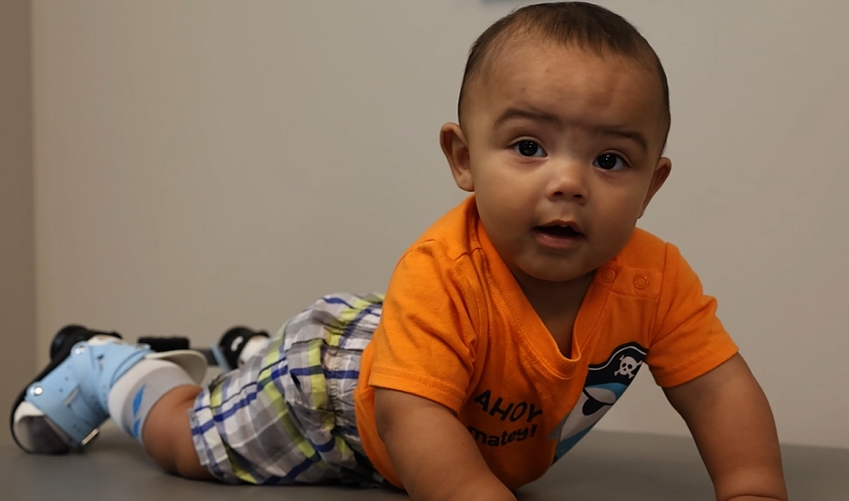
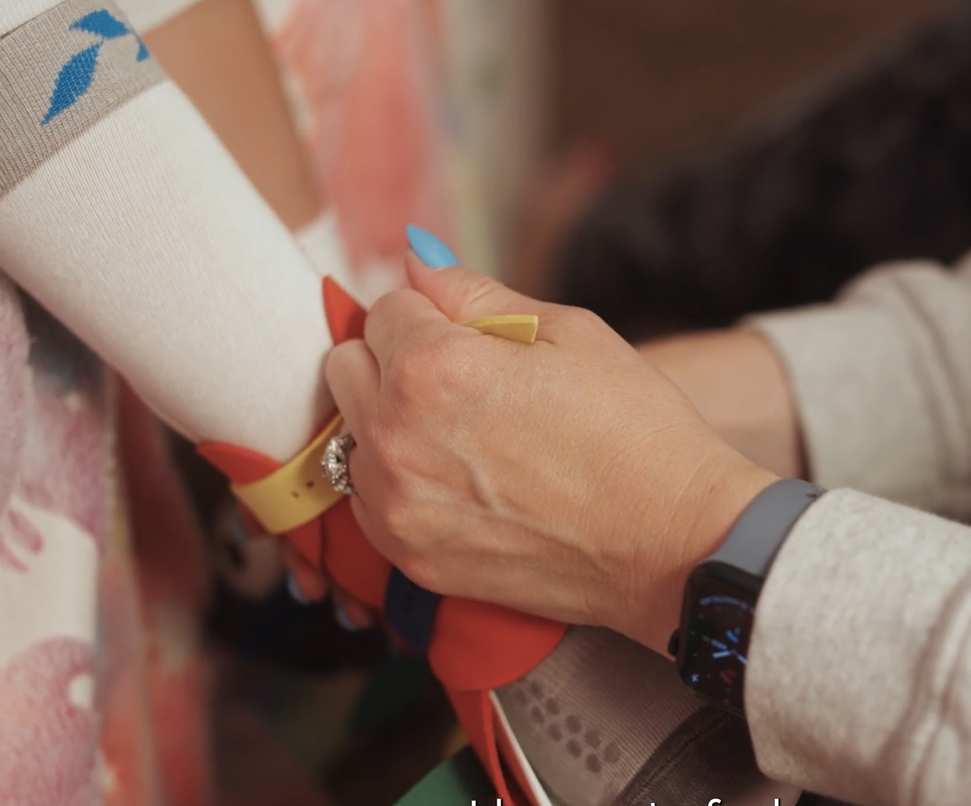
Once the orthopedic surgeon removes the final set of Ponseti casts, the next phase begins. This is where orthotists and specialized clinics, like OP Specialty Bracing, step in. On this same day, the child is evaluated, measured, and fitted for Mitchell sandals and a foot abduction bar (a bar that spreads the legs and feet).These devices hold the feet in the right position, protect the correction, and help prevent clubfoot from coming back.

Key steps in early clubfoot treatment:
  • A series of Ponseti casts applied and changed weekly by the orthopedic surgeon or specialized provider
  • A small procedure to release a tight Achilles tendon
  • Final cast removed when correction is complete
  • Immediate evaluation for proper fit of Mitchell sandals and the abduction bar
  • Same-day fitting of braces to avoid losing correction
  • Start of the 23-hour daily wear schedule

This approach supports the work of the casting process. It’s like handing off a baton in a relay race—the next champion takes their place so the progress made isn’t lost.

The Role of the Orthotist in Clubfoot Care

A certified orthotist is a key member of your child’s care team. Orthotists take careful measurements and make sure the fit is just right. They also check the bar that connects the shoes and adjust the width to match your child’s needs. Their goal: keep the feet in a healthy position, protect skin, and set your child up for success.

Evaluation & Fitting Process

  1. Thorough Evaluation: Your child is checked as soon as possible after cast removal. The orthotist looks for signs of swelling, checks the skin, and assesses the overall condition of each foot.
  2. Accurate Measurement: Each foot is measured to choose the right size Mitchell sandal. The goal is a snug, but not tight, fit.
  3. Bar Adjustment: The foot abduction bar (also called Ponseti or Mitchell bar) is adjusted in length and angle. This helps ensure the feet stay in the correct position without causing discomfort.
  4. Same-Day Fitting: Families leave the office that same day with the sandals and bar in place, ready to start the new phase of treatment.
  5. Education: Parents are shown how to put the sandals and bar on and off, how to spot problems, and what to expect.

Collaboration with Surgeons

The relationship between the orthotist and your orthopedic surgeon shapes the treatment path. They share notes at each visit and coordinate on every detail—from fit checks to bar width. When adjustments are needed, they decide together. This teamwork helps catch potential issues early and makes sure the treatment plan matches your child’s progress.

Follow-up appointments are as important as the first fitting. Your orthotist will schedule regular visits every 3 to 6 months to:

  • Reassess fit as your child grows
  • Check skin condition
  • Make adjustments to the Mitchell sandals or bar
  • Monitor wear and tear on the device

Your orthotist is a guide, problem-solver, and support person as you move through each stage. Make sure you have his/her contact information as the orthotist is a great resource for brace and skin care questions.

Understanding the Mitchell Sandals and Abduction Bar

After the casting phase, Mitchell sandals (special shoes used in clubfoot care) and the foot abduction bar become your child’s main line of defense against relapse.

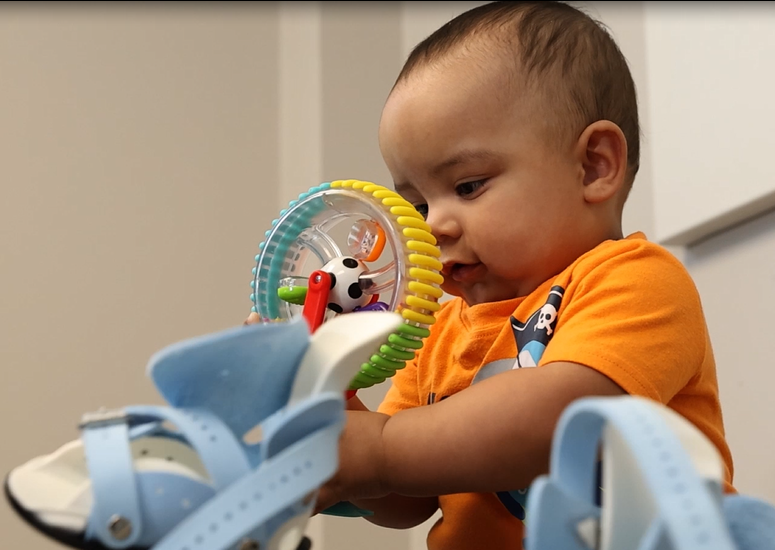
Mitchell sandals are lightweight, open-toe shoes designed for comfort and correction. The sandals attach to a metal or plastic abduction bar. The bar holds your child’s feet in an outward, outward-rotated position, stopping the foot from turning inward again.

What to Know About Wearing Mitchell Sandals and Bar

  • 23-hour wear schedule starts right after fitting. Your child wears the sandals and bar almost all day, taking them off for just an hour daily for baths and stretching.
  • Both sandals connect to the bar, holding feet steady and away from each other at a set width and angle defined by your orthotist and surgeon.
  • As your child grows, sizing and bar width will need to be adjusted. This happens at scheduled follow-ups.
  • Skin checks are critical. Parents must watch for any redness, blisters, or pressure marks.
  • Over time, daily wear schedule may decrease, usually after the first three months. Changes depend on your surgeon and orthotist’s guidance.

A consistent routine with Mitchell sandals and the abduction bar prevents old habits from returning. This gives your child the best shot at a permanent fix.

Monitoring and Follow-Up Care

Once your child leaves the clinic in their new sandals and bar, the work isn’t done. Ongoing monitoring gives early warning if problems start or the fit changes. Think of these visits as tune-ups to keep your child’s progress on track.

Follow-up visits every 3 to 6 months typically include:
  • Growth assessment: Checking if shoes or bar need a size-up
  • Skin check: Looking for pressure spots or irritation
  • Fit review: Making sure sandals and bar are snug and secure
  • Bar adjustment: Adjusting the bar width and angle as needed
  • Parent coaching: Reviewing how to put on and remove the sandals, and update care tips
Checklist: What parents can expect at follow-up appointments
  • Evaluate shoe fit and comfort
  • Inspect the bar and hardware for signs of wear
  • Change to larger sandals or longer bar if your child has grown
  • Discuss changes in daily wear schedule (may shift as your child ages)
  • Go over skin care tips and warning signs
  • Answer any questions you have

Your clinic stays in close contact with your orthopedic surgeon. They may coordinate visits or discuss your child’s progress together. Decisions about how long to keep up the 23-hour wear or when to switch to nights-only will be a shared choice.

Support Between Visits

Questions or concerns rarely wait for scheduled appointments. That’s why clinics provide both email and phone contacts so families can reach out anytime:

  • Skin becoming red or irritated? Call your orthotist.
  • Something doesn’t fit right after a growth spurt? Send a photo or message for tips or to schedule an earlier visit.
  • Unsure how to manage the bar? Reach out for advice.

Patients and parents are never left on their own. Open communication is encouraged. Many clinics invite families to stay in touch for any adjustments or skin issues, helping build a safety net and peace of mind.

Collaborative Care: Team Approach for Best Outcomes

Treating clubfoot is a team sport. Every expert—from the surgeon to the orthotist and the parents—plays an important part. This team approach keeps treatment safe, comfortable, and successful.

Roles of the Clubfoot Treatment Team:

  • Orthopedic surgeons: Apply and remove casts, monitor correction, guide the treatment plan
  • Orthotists: Fit and adjust Mitchell sandals and abduction bar, provide aftercare and support
  • Parents and caregivers: Manage daily use, check for skin problems, attend follow-ups, keep up communication
  • Young patients: Wear the braces (with a bit of encouragement and support)

How teamwork helps:

  • Fast response to concerns or complications
  • Shared decision-making at every step
  • Consistent care as your child grows and changes
  • Emotional support for families

Think of each expert as a point along a circle, all linked together with parents and child at the center. Open communication between parents, surgeons, and orthotists keeps the wheel turning smoothly and moves treatment forward.

Tips for Parents: Supporting Your Child Through Clubfoot Treatment

Raising a child with clubfoot is a learning process. Here are practical tips to help you and your child adjust to treatment:

Parent Tips for a Successful Clubfoot Journey:

  • Stick with the 23-hour wear schedule (at least in the early stages). Only remove the sandals and bar for baths and short breaks.
  • Check your child’s skin daily where the sandals and bar touch. Look for red spots, blisters, or open areas.
  • Keep follow-up appointments so your child gets timely adjustments and the best results.
  • Contact your orthotist or clinic promptly if you notice changes in fit, skin irritation, or have questions.
  • Stay positive and patient. Clubfoot treatment takes time, but steady progress brings lasting benefits.

Remember, every child may have a slightly different path. Stay in touch with your clinic and feel empowered to advocate for your child’s comfort and health.

Conclusion

Clubfoot treatment is most successful when everyone works together. The journey begins with skilled surgeons and Ponseti casts, continues with careful fitting by an orthotist, and is supported by parents who maintain daily routines at home. Open communication and regular check-ins help catch small issues before they become big ones.

With ongoing support, a clear plan, and a team committed to your child’s well-being, families can move through each phase of clubfoot treatment with confidence. For more information, updates, and support as your child grows, consider following OP Specialty Bracing on YouTube and staying connected with your care team.

Disclaimer:

OPSB products should be used under the guidance of a qualified healthcare professional. Individual results may vary. Please consult your pediatrician or orthopedic specialist for professional advice. This article is for informational purposes only and does not constitute medical advice. Always follow your doctor’s recommendations and instructions.

IAM-MM-049
https://family.opsb.com/wp-content/uploads/sites/2/2026/02/thumb-13.jpg 1080 1920 mhoff /wp-content/uploads/sites/2/2026/03/family-resource-hub-logo.png mhoff2026-02-26 21:38:462026-03-27 21:26:55Clubfoot Treatment Overview: What Parents Need to Know About Ponseti Casts, Mitchell AFO’s, and Team Care

Understanding What Causes Clubfoot- Myths and Diagnosis

Clubfoot is a condition where a baby’s foot turns inward and downward. It happens before birth, and about one in every one thousand babies is born with it. While it sounds serious, most children with clubfoot can walk, run, and play after treatment.

Parents and caregivers often wonder why clubfoot happens. The truth is that there isn’t just one reason. Family history, changes in baby’s growth before birth, and other factors may play a role. Learning what causes clubfoot helps families know what to expect, find support, and make informed choices for their child’s care.

Genetic Causes of Clubfoot

Some babies are born with clubfoot because of changes in their genes. Genes carry instructions that shape how our bodies grow, including our feet. When certain pieces of this genetic code change, clubfoot can happen. Understanding the genetic causes gives families more answers about why this condition appears.

Family History and Clubfoot

Having a family member with clubfoot raises the chance that a baby could be born with it too. Sometimes, clubfoot runs in families. If a parent or sibling had clubfoot, the risk increases, though most babies with clubfoot have no family history at all.

Doctors believe that genes from both parents can play a part. These genes can pass along tiny changes that make clubfoot more likely. Still, clubfoot can also develop in families with no known cases before.

Gene Changes Linked to Clubfoot

Research has found some gene changes that may lead to clubfoot. Scientists have looked at the genetic makeup of children with clubfoot and found several genes that could be involved. These changes might affect how muscles, bones, or tissues in the feet form before birth.

Key facts about genetic changes and clubfoot:

  • Some gene changes affect how tendons grow in the foot.
  • Others change how muscles or bones are shaped before a baby is born.
  • Not every gene related to clubfoot has been discovered yet.

Doctors usually do not test for these genes, but learning about them helps scientists understand more about what causes the condition.

Chromosomal Conditions and Clubfoot

In rare cases, clubfoot appears as part of a larger genetic or chromosomal condition. This means clubfoot is just one sign of a broader health issue.

A few chromosomal conditions that may include clubfoot:

ConditionWhat It Involves
Trisomy 18Causes many differences in growth and development, including clubfoot
ArthrogryposisJoints are stiff; clubfoot is common
Spina bifidaSpinal cord does not form correctly; clubfoot can occur with it

Doctors may look for these conditions if a baby has clubfoot plus other unusual signs at birth.

How Genetics and Environment Work Together

Genes alone do not always cause clubfoot. Other things, like how the baby grows before birth, also play a role. Think of it like a recipe: genes are the main ingredients, but the way they mix with other factors can change the result.

Most cases of clubfoot happen for a mix of reasons. Genetic changes may set the stage, and other environmental factors can tip the scale. This is why even with one or more family members who had clubfoot, not every baby will have it.

Knowing about genetic causes can help families talk openly with doctors. If there are worries about clubfoot running in the family, doctors can give more advice or offer support during and after pregnancy.

Environmental and Pregnancy Factors

Clubfoot can develop for many reasons, and genetics are only part of the story. The baby’s environment during pregnancy also plays a role. Sometimes, what happens in the womb or certain pregnancy conditions might increase the chances that a baby will be born with clubfoot. Parents should remember that most of these factors are outside of anyone’s control, and nothing a parent did or didn’t do usually causes this condition.

Other Conditions Linked to Clubfoot

Sometimes, clubfoot is not the only health concern a baby has at birth. It can show up as part of a group of symptoms or a bigger health issue doctors call a “syndrome.” Other times, clubfoot is found all by itself, with no other medical problems. Most children with clubfoot have what’s called isolated clubfoot.

Some health problems and syndromes more often linked with clubfoot include:

  • Spina bifida: This is a condition where the spine and spinal cord do not form as they should. Babies with spina bifida may have nerve or muscle problems that affect the feet, and clubfoot happens more often in these cases.
  • Arthrogryposis: Babies with this condition are born with very stiff joints or limited movement. Clubfoot can be one of the symptoms, affecting how feet or legs move.
  • Cerebral palsy: In some children, muscle imbalances or tightness from a neurological disorder at birth that may affect brain and bodily function, can cause the foot to turn in, which can look like or add to clubfoot.
  • Congenital constriction band syndrome: This rare issue happens when tissue bands wrap tightly around the baby’s limbs during early growth. If the band affects the leg or foot, it can cause clubfoot.

These conditions may change how a doctor treats clubfoot. Babies with extra health needs often work with a team of specialists for steps like therapy, braces, or surgery.

Even so, most cases of clubfoot are not tied to a syndrome or another disease. When this is true, doctors call it isolated clubfoot, meaning it happens on its own and the outlook for treatment is usually very good.

Common Myths About What Causes Clubfoot

Hearing that your baby has clubfoot can bring up a lot of feelings and questions. It’s easy to see why stories and myths about what causes clubfoot have spread over the years. These old ideas can make parents feel guilty or confused. Getting the facts helps families let go of blame and focus on caring for their child. Let’s clear up some of the most common myths.

Myth 1: Clubfoot Happens Because of Something the Mother Did

One of the biggest myths is that mothers cause clubfoot by how they sit, sleep, or move during pregnancy. Some people believe that crossing your legs or resting in a certain way puts pressure on the baby’s feet. This is not true.

Clubfoot does not happen because of sitting “wrong,” wearing tight clothing, standing up too much, or not exercising enough. The position or actions of the mother during pregnancy do not cause a baby’s feet to turn in. Most cases start before birth due to reasons that parents cannot control, such as changes in genes or early growth patterns.

Myth 2: Clubfoot Comes From an Injury During Pregnancy

Many parents worry that a fall, bump, or accident while pregnant caused their baby’s clubfoot. Even though it makes sense to wonder, research shows that simple accidents or minor falls do not cause clubfoot.

Here is what experts know:

  • Everyday slips or bumps do not shape the baby’s feet.
  • Most babies with clubfoot have no history of injury in pregnancy.
  • The condition starts early in pregnancy as the baby’s foot forms.

Hearing this truth helps parents understand that clubfoot is not caused by something they could have avoided.

Myth 3: Poor Nutrition Alone Causes Clubfoot

Some people claim that not eating enough healthy foods during pregnancy leads to clubfoot. While a balanced diet is important for many reasons, clubfoot rarely ties back to nutrition alone.

Doctors agree that:

  • Clubfoot appears in babies born to mothers with a wide range of diets.
  • Good nutrition supports overall growth, but does not single-handedly prevent or cause clubfoot.
  • Most cases relate to genetics and the way a baby’s body develops in the womb.

This takes pressure off families and focuses the conversation on support, not blame.

Myth 4: Tight Spaces in the Womb Always Cause Clubfoot

There is a story that if the baby’s feet get “squished” in the womb because of twins, less amniotic fluid, or a small uterus, then clubfoot will appear. While low amniotic fluid can cause joint stiffness, tight quarters such as big babies and twins do not increase the chance of clubfoot.

In most cases:

  • Clubfoot starts before there is crowding or less space in the womb.
  • Many babies are cramped in the womb but still have normal feet.
  • Doctors look for multiple reasons for clubfoot, not just space issues.

Here is a quick table that breaks down some facts:

MythWhat the Facts Say
Caused by how the mother sits or sleepsNot true; position or movement does not cause clubfoot
A fall or injury during pregnancyNot true; injuries are not a cause
Poor nutritionRarely a factor; most cases not related to diet
Tight spaces in the wombSometimes linked, but not the main cause
Myth 5: Clubfoot Means a Child Will Never Walk

Some people believe that babies born with clubfoot will never walk or play like other children. This myth can be very scary for new parents. This is not true!

With early treatment and care, most children with clubfoot learn to walk, run, and join in all the things other kids do. Braces, gentle casts, or sometimes minor surgery can correct the foot’s shape. Families should know that clubfoot is a challenge but not a roadblock to a full and active life.

Clarity about these myths gives parents peace of mind. Knowing what does not cause clubfoot is just as important as understanding what does.

How Clubfoot Is Diagnosed and What Happens Next

Understanding how clubfoot is diagnosed puts families in a stronger place to act quickly. Once a doctor suspects clubfoot, either before or after birth, clear steps follow to confirm the diagnosis and start care right away. Parents will see that early action makes a big difference in a child’s outcome. Knowing what to expect next helps everyone feel more confident during an emotional time.

Finding Clubfoot: Diagnosis Before and After Birth

Doctors often notice clubfoot just by looking at a newborn’s feet. The foot’s turned-in shape is easy to see. Sometimes, clubfoot is first spotted before birth during a routine ultrasound. Ultrasounds create pictures that can help doctors see if the baby’s foot has an unusual position, especially late in pregnancy.

If clubfoot is found during pregnancy, parents have time to learn more and plan with specialists. When the doctor identifies clubfoot after birth, they will carefully check each foot’s movement and shape. Usually, no blood tests or scans are needed to make the diagnosis.

Here’s a look at how clubfoot is usually found:

  • Prenatal ultrasound (before birth): Can show the foot’s position in the womb.
  • Physical exam (after birth): A doctor gently moves and looks at the baby’s feet.
  • Specialist referral: Sometimes, a pediatric orthopedic doctor sees the baby right away for their expert opinion.

What Happens After a Clubfoot Diagnosis

Once a doctor says a baby has clubfoot, the focus shifts to treatment choices and next steps. Most doctors act quickly so treatment can start in the baby’s first weeks. Early care gives the best results and helps the child’s foot grow in a more natural way.

This is what families can expect next:

  1. Meeting the Care Team
    A team that might include an orthopedic doctor, nurses, and therapists will help guide the family from the very first steps. These experts can answer questions and share treatment options.
  2. Creating a Treatment Plan
    Most children start with a series of gentle casts and later might need braces. This process, known as the Ponseti method, helps correct the foot’s shape over time. Each cast stays on for about a week before being changed to slowly improve foot position.
  3. Monitoring and Adjusting Care
    The care team will check progress at each visit. They may suggest a minor procedure to release tight tendons near the ankle if needed. Every baby’s journey is a bit different, so care plans adjust as each child grows.
  4. Family Support and Education
    Parents get lots of information, from how to care for casts to what signs to watch for. Many teams connect families with others going through the same thing or offer support groups.

The first weeks after diagnosis often fill up with appointments and new routines, but each step brings big progress. Taking quick action lowers worry and gives each child the best chance at an active future.

What to Expect During Clubfoot Treatment

Starting treatment early means the baby’s bones and muscles are soft, so gentle methods work best. Most children use a series of casts, changed every week, to slowly move the foot to a normal position. After casting, a baby usually wears a special brace, called boots and bar, to keep the foot in the right place as it grows.

Treatment steps at a glance:

  • Casts: Usually 5-8, changed weekly
  • Minor surgery: About half of babies need a small tendon release
  • Bracing: Worn most of the time for several months, then at night for years
  • Checkups: Regular visits to keep progress on track

This steady rhythm of visits and care gives children strong feet for walking, running, and playing when they are older. Parents learn each part of the process alongside the care team.

Families often find hope in seeing weekly changes and celebrating small wins. While the journey can be long, seeing a child’s foot and confidence grow is worth every visit and cast change.

Conclusion

Clubfoot is no one’s fault. With early treatment and the right care, children with clubfoot grow, play, and thrive just like any other kids. Parents who learn about the causes can focus on hope instead of blame.

Reach out to your doctor, ask questions, and look for support when you need it. Families are not alone in this journey. Every step forward helps build a brighter future for your child.

Disclaimer:

OPSB products should be used under the guidance of a qualified healthcare professional. Individual results may vary. Please consult your pediatrician or orthopedic specialist for professional advice. This article is for informational purposes only and does not constitute medical advice. Always follow your doctor’s recommendations and instructions.

IAM-MM-045

https://family.opsb.com/wp-content/uploads/sites/2/2026/02/Picture14.png 335 412 mhoff /wp-content/uploads/sites/2/2026/03/family-resource-hub-logo.png mhoff2026-02-26 21:14:052026-02-26 21:14:08Understanding What Causes Clubfoot- Myths and Diagnosis

Clubfoot Symptoms and Diagnosis: What Parents Can Expect at the First Visit

Hearing the word “clubfoot” from your child’s doctor can feel overwhelming, but you’re not alone. Clubfoot is a foot condition present at birth. It causes the foot to turn inward or downward, and it affects about 1 in every 1,000 babies. With the right care, most children treated early grow up to walk and play just like other kids.

Spotting clubfoot early helps your child get the care they need. In this post, you’ll find clear signs to watch for, learn how doctors confirm clubfoot, and see what happens during that first appointment. Knowing what to expect can ease worries and help you feel ready for what comes next.

What Is Clubfoot?

Clubfoot is a medical term for a foot that is twisted out of shape or position. It was not caused by anything the mother is not simply because the foot was squished. At birth, a baby with clubfoot has a foot that turns sharply inward or even points down. Even though it looks uncomfortable, most babies with clubfoot do not feel pain because they have never walked on it. Clubfoot is one of the most common foot problems seen in newborns and can affect one or both feet.

Clubfoot Basics

Clubfoot can be easy to spot. The main thing you notice is the foot’s unusual shape. The foot may seem like it is twisted so the bottom faces sideways or up, instead of downward. Often, the calf muscles on the affected leg are smaller compared to the other side. Parents should know that clubfoot is a physical condition; it is not a sign of any problem with intelligence or mood.

There are a few key points about clubfoot:

  • Present at birth: Most cases are found right after a baby is born, though doctors sometimes see them during pregnancy on ultrasound.
  • More common in boys: Boys are twice as likely as girls to have clubfoot.
  • Can run in families: Sometimes, more than one person in a family has clubfoot.

Types of Clubfoot

Doctors use the word “clubfoot” to describe several related shapes that feet can take. Clubfoot usually falls into two types:

  • Isolated (idiopathic) clubfoot: This is the most common form, where the foot alone is affected, and the child is otherwise healthy.
  • Atypical clubfoot: A less common and more severe form of clubfoot, where the foot is stiffer and more difficult to correct, often needing extra care during treatment.
  • Syndromic clubfoot: Here, the clubfoot happens along with other health problems or genetic conditions.

Knowing the difference helps doctors guide treatment right from the start.

What Causes Clubfoot?

Doctors do not know exactly why clubfoot develops, but they believe both genetics and environment matter. If someone in the family has clubfoot, chances go up.

Several factors linked to clubfoot include:

  • Family history (others in the family had it)
  • Babies with certain genetic conditions

Most of the time, though, clubfoot happens with no known cause. It is nobody’s fault.

How Idiopathic Clubfoot Looks

Spotting idiopathic clubfoot is pretty clear when you know the signs. Here’s what parents and doctors notice most:

  • The foot curves inward, downward, or both
  • The heel points upward while the toes turn down
  • The foot may look shorter or smaller than normal
  • The calf muscles can appear thinner or underdeveloped

This table shows some main features and how they appear in clubfoot:

FeatureHow It Appears
Foot DirectionInward and/or downward twist
Heel PositionUpward or tilted
Arch ShapeHigh arch, or even no arch
Calf SizeSmaller on the affected side

It is important to remember that clubfoot itself can look dramatic, but children with this condition often go on to live active lives once treated.

Common Symptoms of Idiopathic Clubfoot in Newborns

When a baby is born with clubfoot, the signs usually stand out during the first checkup. Parents often see the shape and direction of the foot is not like other babies. Understanding these symptoms helps families spot clubfoot early, which is key for starting care. Here are the most common symptoms you might notice from day one.

Unusual Foot Shape

Clubfoot is known for its unusual foot shape. The foot may turn sharply inward, downward, or both. Sometimes, the foot curves so much that the bottom faces sideways or even up. This twist is firm and does not move back to a normal position when you try to gently straighten it.

  • The front of the foot often turns in toward the other leg.
  • The heel points up instead of down.
  • The foot may seem shorter or smaller than the other foot.

Rigid Position

Babies with clubfoot often have a foot that feels tight or stiff. You cannot easily move or stretch the foot into a normal position with your hands. Even when you try, the foot snaps back to its twisted shape. This tightness is because the tendons and muscles on one side of the foot are shorter and tighter.

Calf Muscle Difference

Another clear sign of clubfoot is that the calf muscle on the affected leg is thinner. You might see one calf looks slimmer or less filled out. This is not painful for the baby, but it shows that the leg muscles did not grow the same way during pregnancy.

Shorter Leg or Foot

Parents or doctors sometimes see a mild difference in leg length. The affected leg or foot can be a bit shorter. This happens because clubfoot limits how the bones and muscles grow. This does not need treatment and most of the time, this difference is small and only noticed during a close check.

Foot Skin Creases

There may be extra skin folds or deep creases on the bottom, the side of the foot, and/or over the heel. These lines appear because the skin folds over itself as the foot turns in. These creases often stay until the foot is treated.

Clubfoot Symptom Checklist

Quickly spotting the common symptoms helps start care right away. Here’s a simple checklist parents and doctors often use:

  • Inward and/or downward pointed foot
  • Foot appears short or small
  • Tightness or stiffness of the foot
  • Smaller calf muscle on one leg
  • Extra creases on the bottom, side of the foot, and/or back of the heel

Symptom Summary Table

This table helps you see the key clubfoot symptoms at a glance:

SymptomWhat to Look For
Inward/Downward FootFoot curves in or points down
Rigid PositionStiff, hard to straighten
Thin Calf MuscleSlimmer calf on affected side
Shorter Foot/LegFoot or leg looks slightly shorter
Deep Skin CreasesExtra folds or lines on the foot

Knowing these symptoms gives parents and caregivers confidence to act fast and ask questions if they see any of these signs in a newborn’s feet. Trust your instincts and mention anything that does not look right during those first doctor visits.

How Clubfoot Is Diagnosed

Getting a clear diagnosis of clubfoot helps your child get the right care quickly. Doctors use a hands-on exam, careful questions, and sometimes special tests to confirm clubfoot. This process can start right after birth or, in some cases, even before your baby is born. Knowing what happens during diagnosis helps you feel more prepared for your first visit.

Physical Examination

Most of the time, doctors diagnose clubfoot by looking at and moving your baby’s feet. This exam is simple but important. The doctor looks at the shape and stiffness of the foot, how far it turns inward, and checks the skin and muscles.

During the exam, you may notice the doctor:

  • Pressing gently on the foot and ankle
  • Bending the foot to see if it moves easily or stays stiff
  • Comparing both feet and legs, even if only one looks affected
  • Looking for skin creases, foot size, and calf muscle difference

Doctors also ask about family history and how your pregnancy went. This helps them see if other health problems could affect treatment.

Prenatal Ultrasound

Sometimes, clubfoot is seen before birth during a routine pregnancy ultrasound. If your doctor saw something on an ultrasound picture, they might have mentioned it during your pregnancy.

Key things about prenatal ultrasound:

  • It may spot clubfoot as early as the second trimester.
  • The baby’s foot may appear turned in the images.
  • Ultrasound helps families plan for care ahead of time.

Not every ultrasound finds clubfoot. Some babies are only diagnosed during the first exam after birth, so parents should not worry if it was not mentioned earlier.

Imaging and Extra Tests

In most cases, doctors do not need more than a physical exam to confirm clubfoot. But sometimes, if they have questions or want more details, they use imaging tests.

  • X-rays: Can show foot bones and how much they are out of place. Rarely needed for basic cases, but helpful for complex clubfoot or older children.
  • Other tests: Blood tests or scans may be used if the doctor thinks another health issue is linked to clubfoot. These are not routine.

A table below shows the common tools used in clubfoot diagnosis:

Tool or TestUsed ForCommon?
Physical ExamMain diagnosis methodAlways
Prenatal UltrasoundEarly detection before birthSometimes
X-rayDetails on bone positionRarely
Other ScansCheck for related conditionsRarely

Diagnosis Checklist: What Parents Can Expect

Most families want to know what will happen when the doctor checks for clubfoot. Here’s a short list of common steps:

  • Doctor reviews birth and family history
  • Careful exam of your baby’s feet and legs
  • Gentle stretching to test movement
  • Looking for typical clubfoot signs (shape, size, muscle)

This checkup is usually quick, gentle, and does not hurt your baby. The doctor will share what they see, explain the next steps, and answer your questions. Knowing what the diagnosis involves helps you feel more confident and less anxious about your child’s care.

What To Expect At Your First Appointment

The first appointment can feel like a big day for parents and their child. Walking into the clinic, you might have a mix of worries and hope. Knowing what will happen during this first visit helps you prepare and stay calm. The care team is there to answer your questions and guide you every step of the way.

Meeting the Care Team

You will likely meet several people who work together for your child’s care. This team often includes:

  • A pediatric orthopedic doctor who treats bone and muscle issues
  • Nurses or physician assistants who help with exams and treatment
  • Sometimes a physical therapist who can explain how muscles and movement will improve

They will greet you, ask your baby’s name, and make sure you feel welcome. The team wants you to know you are not alone and they have helped many families through this before.

A Careful Examination

Next, the doctor will examine your baby’s feet and legs. This part of the appointment is gentle but thorough. The doctor may do the following:

  • Watch how your baby moves the feet and toes
  • Gently press, stretch, and move the foot to test its range of motion
  • Check the shape of the foot, ankle, and calf
  • Compare both legs, even if only one is affected

If you have seen any new changes or signs at home, share them. The doctor will also ask about your pregnancy, any family history of clubfoot, and how your baby is doing overall.

Talking Through Symptoms and Findings

Once the exam is done, the doctor explains what they see. They will use simple words and avoid medical jargon. You should expect to hear:

  • What clubfoot is and how it affects your child
  • Which type your baby has (if it’s isolated or part of a syndrome)
  • How stiff or flexible the foot is

Doctors understand these words can sound new. Do not be afraid to ask for plain explanations, or repeat what you hear to be sure you understand.

Reviewing the Diagnosis

The doctor will talk about the diagnosis clearly and address your concerns. If there is any doubt, or if extra testing is needed (like an X-ray), the doctor will explain why. Often, diagnosis is based mainly on what they see and feel during the exam.

Sometimes you may hear the words “mild,” “typical,” or “complex” to describe the clubfoot. The doctor may jot down notes or use drawings to help you see what’s going on inside your child’s foot.

Plan for Next Steps

By the end of your first visit, the team will outline what happens next. Most doctors use a step-by-step approach so you know what to expect. You might be told about:

  • Beginning gentle stretching and casting treatment right away
  • How many visits are needed for treatment
  • What you need to watch for at home
  • When you will see the team again

Many parents leave with printed handouts, web links, or phone numbers for more questions. You will not leave empty-handed.

Helpful Things to Bring

To make the most of your child’s first appointment, certain items or information can help:

  • Any records from your pregnancy or early ultrasounds
  • A list of your questions or concerns
  • Something to comfort your baby, like a blanket or pacifier
  • A notebook or phone for taking notes
  • Another adult as a second set of ears to listen to the doctor while you are caring for your baby.

Here is a quick checklist for parents getting ready for the first clubfoot visit:

  • Bring your baby’s health records or ultrasound reports
  • Write down questions you want to ask
  • Have a comfort item handy for your baby
  • Plan to arrive a bit early in case there is paperwork

Preparing ahead takes the stress out of a new experience. Doctors and nurses know this is a lot to take in and will give you clear answers, so you leave the appointment knowing what comes next for your child’s clubfoot care.

Treatment Options Following Diagnosis

Once the doctor confirms a clubfoot diagnosis, the next step is to start treatment as soon as possible. Early action gives your child the best chance for strong, flexible feet and a normal life. Clubfoot treatments have improved greatly, with most children growing up to walk, run, and play just like their friends. Understanding what comes next will help you feel prepared and hopeful.

The Ponseti Method

The Ponseti method is the most common and recommended treatment for clubfoot. Doctors across the world trust this gentle approach because it works well and uses careful hands instead of surgery for better outcomes.

Here is what the Ponseti method includes:

  • Gentle stretching and casting: The doctor will move your baby’s foot a little closer to the right position and place it in a cast to hold it there. This cast usually stays on for 5 to 7 days.
  • Weekly cast changes: Each week, your child gets a new cast. The foot moves closer to a natural shape with each one.
  • Over several weeks: Most treatments use five to eight casts. The number depends on how stiff the foot is and how much it needs to move.

After the final cast, most babies need a small procedure called a tenotomy, where the doctor uses a tiny cut to release a tight tendon at the heel. This simple step helps the foot move up and down better. The doctor usually does this with local numbing medicine, sometimes light sedation, and it heals quickly.

Bracing Phase

Once the foot is in a better position, it is important to keep it from turning back. That is where bracing comes in. Babies wear a special brace called a “boots-and-bar” (BnB), your clinician may refer to it as a Foot Ankle Brace (FAB), for several months all day, then only at night for a few years. This keeps the foot straight as your child grows.

Some key points about bracing:

  • Early stage: Worn most 23 hours a day for the first 3 months after casting.
  • Later stage: Worn at night and naps for a period of years, sometimes until age 4 or 5.

Wearing the brace is not painful, but your child may need time to adjust. Parents often find that sticking to the bracing plan is one of the most important parts of long-term success.

Physical Therapy and Home Stretching

Some doctors will show you gentle stretching exercises to do at home, especially if the foot is very stiff or if treatment starts a little later than usual. Physical therapy may help improve strength and keep the foot flexible. Parents take an active role by helping with these stretches each day.

Surgery

Most children with clubfoot do not need major surgery. However, if the foot does not straighten fully with casting and bracing, doctors may discuss surgical options. Surgery can help release or lengthen tight tendons and joints. The goal is to make the foot as straight and flexible as possible for walking and playing.

Surgery is less common now than it was years ago, thanks to better results with the Ponseti method. If surgery comes up, your care team will explain every step and answer your questions.

Clubfoot Treatment Table

This table gives a quick look at common clubfoot treatments and what each involves:

Treatment StepWhat HappensHow Long
Ponseti CastingGentle stretching, weekly casts5-8 weeks
TenotomySmall heel tendon release (simple procedure)Once, after last cast
Bracing (Boots-Bar)Special shoes and bar to hold foot straight3 months full-time, then nightly for several years
Physical TherapyHome stretches and exercisesVaries, some cases only
SurgeryCorrection of tight parts (rare)One-time, if needed

What Parents Can Expect During Treatment

Treatment for clubfoot is a team effort. Doctors, clinicians, and parents work together to guide your child week by week. Every visit brings progress, and parents play a big role in bracing and exercises at home.

Support is always available. Your care team knows this time can feel new and stressful, but they have seen many families walk a similar path. Asking questions, sharing concerns, and learning how to care for your child’s feet helps make each step easier. Every week of treatment brings your child closer to healthy, happy steps in the future.

Conclusion

Clubfoot may feel scary at first, but it is treatable and most kids go on to walk, run, and play just like anyone else. Early diagnosis, caring medical professionals, and the support of family make a strong difference in each child’s progress. Acting early can mean easier treatment and fewer worries over time.

Parents play a key role by asking questions, sharing concerns, and making sure their child gets the right care. If you notice anything unusual with your baby’s feet, trust your instincts and reach out to your doctor. You are not alone on this journey.

Disclaimer:

OPSB products should be used under the guidance of a qualified healthcare professional. Individual results may vary. Please consult your pediatrician or orthopedic specialist for professional advice. This article is for informational purposes only and does not constitute medical advice. Always follow your doctor’s recommendations and instructions.

IAM-MM-048

https://family.opsb.com/wp-content/uploads/sites/2/2026/02/Picture4.png 219 263 mhoff /wp-content/uploads/sites/2/2026/03/family-resource-hub-logo.png mhoff2026-02-24 23:50:472026-02-25 20:23:21Clubfoot Symptoms and Diagnosis: What Parents Can Expect at the First Visit

How OP Specialty Bracing Clinics Put Families First: The OP Specialty Bracing Approach to Pediatric Orthotic and Prosthetic Care

Every parent wants to know their child is in good hands, especially when it comes to health care. When facing a need for bracing like scoliosis, clubfoot, having a team that truly “gets” kids makes all the difference. At OP Specialty Bracing (OPSB), specialized pediatric care isn’t just a service we provide, it’s at the heart of everything we do.

If you’ve ever worried your child might be treated as a smaller version of an adult, you’re not alone. Children’s bodies grow fast, and their needs are different at every age. OP Specialty Bracing understands those differences on a deep level. Their approach combines personal attention, family involvement, and decades of expertise. Here’s how OP Specialty Bracing clinics care for every child and family, uniquely.

Personalized Pediatric Orthotics and Prosthetics Care: Why Kids Aren’t “Little Adults”

Children grow and change quickly. Their care can’t be a copy-paste job from what works for adults. OP Specialty Bracing tailors every treatment to each child — from babies to teens. This personalized care ensures the device, whether a brace or prosthesis, fits not just their body but their life.

Why pediatric orthotics and prosthetics needs are different:

  • Growth and development: Fitting for a brace or prosthesis isn’t just about today. Providers must think ahead, making room for bodies that will grow in ways unique to each child.
  • Treatment Pathways: Some diagnosis’s can only be treated when through pediatrics
  • Activity levels: Kids are active. Their devices need to be sturdy, comfortable, and flexible so they can run, play, and just be kids.
  • Emotional support: A child’s experience in the clinic shapes how they feel about treatment. Staff at OP Specialty Bracing speak on their level, explain what’s happening, and make the process less scary.
  • Family involvement: Parents and caregivers are part of the team. You aren’t kept out of the loop or handed a plan without your input.

At OP Specialty Bracing, children aren’t “little adults.” They’re recognized as unique, growing people who deserve care focused on their own needs and personalities.

Devotion to Patient-Centered Care at Every Level

The patient always comes first. That’s not just a slogan at OP Specialty Bracing, it’s the way the team works day in and day out. From the moment your family walks in, you’re greeted by people who care about your child’s progress and comfort.

Who Makes Up Your Child’s Care Team?

  • Clinicians: Specialists who assess, fit, and fine-tune each device.
  • Technicians and fabrication staff: Experts who build and adjust braces to exact measurements.
  • Authorization teams: The folks team navigating insurance and paperwork so you can focus on care, not red tape.
  • Patient care staff: Friendly faces who coordinate your visits and keep you informed.

What Does Patient-Centered Care Look Like?

Everyone, from clinicians to office personnel, works together for a seamless experience. You won’t feel like a number or an afterthought. Instead, you’re treated like family.

A major part of this care philosophy is shared decision-making. Rather than handing you decisions or charting a course on their own, the OP Specialty Bracing team involves everyone:

  1. Parents and caregivers: Your insights matter. The team listens to your concerns, goals, and daily challenges.
  2. Children and teens: They are spoken to respectfully, with explanations that make sense for their age, allowing them to be heard and speak up when comfortable doing so.
  3. Doctors and therapists: OP Specialty Bracing works alongside your child’s full medical team for a complete, informed plan.

This collaboration means treatment fits not just your child’s medical needs, but your family’s lifestyle and goals. You’re part of every step, every choice.

Parents can rest easy knowing that care at OP Specialty Bracing is rooted in kindness, empathy, and a drive to help every child thrive. Your worries will be met with reassurance, your questions with thoughtful answers, and your successes with celebration.

Treatments Pathways for Treatment and Care

Consistency and planning are key when helping children thrive. OP Specialty Bracing uses treatment pathways which means structured, organized steps built around each patient and family. No two treatment plans are the same, but they all follow a clear pathway for best results.

Step-by-Step: What Families Can Expect

  1. Clinical Evaluation: Each visit starts with careful measurement and evaluation. Clinicians check progress, document changes, and gather data to guide next steps.
  2. Goal Setting: Treatment goals are set together. These may include improving mobility, correcting posture, or preventing future complications. Your family’s input shapes every goal.
  3. Clear Recommendations: Clinicians explain the treatment options and why they’ve been chosen. You’ll hear what to expect, potential outcomes, and your choices.
  4. Open Communication: Every question matters. You’ll always know the next step, and staff are ready to explain anything—no matter how simple or complex.
  5. Ongoing Support: Progress is tracked at each visit. Adjustments are made as your child grows or their needs change.

This structure ensures no one’s left guessing. It’s about transparency and empowerment. The team takes time to make sure you feel comfortable, supported, and part of the process.

Expertise in Specialized Treatments: Scoliosis Care and Beyond

When it comes to braces for conditions like scoliosis, expertise and experience matter. OP Specialty Bracing is home to the renowned scoliosis Boston Brace. This treatment has set the standard worldwide, used by clinics and hospitals across the globe.

The Legacy of the Boston Brace

The Boston Brace is more than a device. It’s the product of 60+ years of research, development, and hands-on testing.

OP Specialty Bracing team didn’t just invent a brace, they started a tradition of progressive, evidence-based care that shapes how scoliosis is treated worldwide. Kids get access to:

  • Innovative brace designs tailored to their shape
  • The latest technology for precise fit and comfort
  • Proven outcomes, backed by evidence based application

More Than Just Scoliosis: Broad Pediatric Expertise

OP Specialty Bracing clinics care for a wide range of pediatric conditions. Their experienced staff fabricate and fit custom solutions for:

  • AFOs (Ankle-Foot Orthoses): For children who need help with stability, positioning, standing, walking, muscle control, or post operative treatment.
  • Clubfoot: Bracing that supports maintaining correction achieved through casting
  • Cranial helmets: For babies that have flat spots (asymmetries) or have under gone surgery for correction to address the head shape concerns.  
  • Other lower limb and spinal needs: Custom braces for growth, activity, and safety

Every brace, prosthetic, and support device is designed with kids in mind — for durability, comfort, and real-life function.

Commitment to Compassionate Care: Helping Kids One at a Time

If you walked into an OP Specialty Bracing clinic right now, you’d feel it: genuine care. Each team member is there because they want to make a difference for children and families. The sense of honor and responsibility is strong. They’re not just treating a diagnosis, but supporting a whole child and their loved ones.

More than medicine, more than braces, OP Specialty Bracing clinics provide partnership, compassion and education. Every child is helped one at a time. You’re never just another case, your story, your goals, and your progress matter.

Your Child Deserves Care That Feels Personal

Choosing where your child receives orthotic or prosthetic care is a big decision. At OP Specialty Bracing families find deep experience, personalized attention, and a team that honors each child’s journey. Whether your child needs a brace for scoliosis, support for walking, or a solution for a specific condition, OP Specialty Bracing blend of heart and expertise sets a high standard. Feel confident taking the next step with a team that puts your child first from the moment you walk through the door. If you’re starting this journey, know that you won’t walk it alone. OP Specialty Bracing is proud to help children, and their families, move forward, with care as unique as each child they serve.

Disclaimer:

OrthoPediatrics Specialty Bracing (“OPSB”) is a Business Division of OrthoPediatrics Corp. The smiling Pedi P logo is a trademark of OrthoPediatrics Corp. Please consult your pediatrician or orthopedic specialist for professional advice. This article is for informational purposes only and does not constitute medical advice. Always follow your doctor’s recommendations and instructions.

https://family.opsb.com/wp-content/uploads/sites/2/2026/02/Thumbnails-for-tutorial_00053.jpg 1080 1920 mhoff /wp-content/uploads/sites/2/2026/03/family-resource-hub-logo.png mhoff2026-02-23 22:38:502026-02-23 22:38:51How OP Specialty Bracing Clinics Put Families First: The OP Specialty Bracing Approach to Pediatric Orthotic and Prosthetic Care

OP Specialty Bracing: Revolutionizing Pediatric Orthopedic Care

At OP Specialty Bracing, every child’s well-being comes first. This commitment drives every action, partnership, and innovation. Our mission is simple yet powerful: to improve the lives of children with orthopedic conditions by delivering leading care, personalized support, and hope, one child at a time. With a growing coast-to-coast network and partnerships with top children’s hospitals, OP Specialty Bracing (OPSB) makes sure families can access expert pediatric orthotic and prosthetic care close to home.

Bringing Expert Pediatric Orthopedic Care to Every Community

OPSB’s network keeps expanding each year. Each new clinic means more families get quality orthopedic care without having to travel far. By teaming up with leading children’s hospitals and maintaining a local presence, OPSB breaks down access barriers for parents seeking help for their child.

Growing Network for Real-Life Impact

OPSB clinics can be found in communities nationwide. Their presence isn’t just about location, it’s about ensuring every child with orthopedic needs gets attentive, specialized care, right when and where it matters.

Top children’s hospitals trust OPSB. These partnerships increase access to pediatric bracing experts and open doors to excellent resources for families.

True Collaboration Delivers the Best Results

What makes OPSB unique? Their team. Here’s a breakdown of the professionals making a difference every day:

  • Certified Orthotists: Experts in fitting and designing braces and supports for children facing mobility and/or orthopedic challenges.
  • Certified Prosthetists: Specialists in creating prosthetics tailored to kids’ needs. Using their expertise and collabortive approach to bring creative solutions to the care team.
  • Cerfited Orthotic Assistants: Support orthotists and prosthetists by helping with fittings and adjustments.
  • Certified Fitters: Ensure every device fits comfortably and works as designed.
  • Technicians: Build and modify braces and prosthetics with skill and attention to detail.
  • Billing Specialists: Ensures accurate, timely billing for pediatric orthotic and prosthetic care, helping families and payers navigate the financial side of treatment.
  • Patient Care Specialists: Guide families through appointments, ongoing care, and support services.

Each team member works closely with the child’s care team to personalize the treatment plan and goals. This joined approach keeps everyone focused on the ultimate goal: each child’s best possible outcome.

Setting the Standard in Pediatric Bracing and Treatment

OPSB’s expertise covers a wide range of orthopedic conditions. By combining years of experience with forward-thinking technology, they offer proven, effective solutions for complex pediatric challenges.

Some of the Conditions Treated by OPSB

  • Clubfoot: A congenital deformity that twists the foot out of position.
  • Hip Dysplasia: A condition where the hip joint doesn’t form properly.
  • Scoliosis: A curve of the spine that can grow worse as kids grow.
  • Fractures: Broken bones needing the right support to heal strong and tranisition back to normal activities.
  • Toe Walking– When your child walks on their toes and balls of their feet without their heels touching the ground causing tightness in their lower legs.
  • Neuromuslcar Conditions like Cerbral Palsy, Spina Bifida, Dystrophys, SMA

Children facing these conditions need more than just a brace, they need a team that understands the journey from diagnosis through recovery. OPSB brings both the technical skills and the compassion needed for each case.

Innovative Braces and Devices: Focus on the DF2 Brace

At the heart of OPSB’s commitment to innovation is the DF2 brace. Developed to bring comfort and effectiveness together, this brace sets a new benchmark in pediatric orthotic care. Whether a child needs long-term support or a specific adjustment, the DF2 offers flexibility and strength.

OPSB doesn’t stop there. Here’s a look at their key bracing and device options that are part of the standard of care practive world wide:

  • Boston Scoliosis Braces: Decades of expertise support this leading solution for spinal curvature.
  • Ankle Foot Orthosis (AFOs): Mitchell Ponsenti Braces that focus on the treatment of clubfoot from birth to 5 years.
  • Boston Band Cranial Helmet: Gently shape head growth for babies with positional plagiocephaly or sysnotic synatosis.
  • Hip Dysplasia: The Rhino Cruiser is used in conservative treatment with babies that are dignosised with Hip Dysplasia.

By controlling manufacturing and customization in-house, OPSB makes sure each device fits just right growing with the child’s needs and goals.

Personalized and Evidence-Based Care Programs

With over 50 years of hands-on experience, especially in scoliosis treatment, OPSB stands as a leader in evidence-based bracing. Treatment plans are built not just from studies and research, but also from years of real-world patient outcomes. Each plan adapts to the child’s medical details and the family’s preferences, creating a system where care isn’t one-size-fits-all.

Leading in Pediatric Research and Honest Education

Improvements in pediatric bracing don’t happen by accident. OPSB drives pediatric research and development, chasing better treatment outcomes and making the journey simpler for kids and their families.

Advancing Research for Better Care

OPSB’s teams consistently work on new solutions in the pediatric bracing field. Their research shapes the next generation of devices, with a focus on care that leads to less pain, quicker progress, and happier, more active kids. Every device they design, every program they create, starts with the simple question: Will this improve a child’s life?

Supporting Medical Professionals Nationwide

Quality starts with great training. OPSB offers:

  • In-person training: Clinics, workshops, and hands-on practice for new and existing specialists.
  • Online courses: Making professional education possible in any location.
  • Expert guidance: Help for practitioners facing complex issues, such as challenging scoliosis cases.

Their in-house experts act as mentors and resources for practitioners across the country. By sharing knowledge, OPSB raises the bar for pediatric orthotic care from coast to coast.

Building Resources for Families

OPSB knows that parents want support, not just appointments. They’ve built a library of practical information, including:

  • Simple guides to common bracing and orthotic treatments.
  • Direct insight from clinicians about what the journey will feel like.
  • Real patient stories to show what’s possible.

Sharing these stories offers hope and information to families at each step, turning anxiety into confidence and fear into empowerment.

Custom Fabrication: Where Innovation Meets Individual Needs

Behind every OPSB brace is a team focused on precision and possibilities. Their custom fabrication department handles all major lines, including Boston orthotics, prosthetics, and DF2 brace.

Why custom fabrication matters:

  • Each child’s needs are unique, from size to activity level.
  • Custom design means more comfort, better movement, and better outcomes.
  • On-site teams can quickly adapt devices as a child grows or as needs change.

From design sketches to finished product, every brace is crafted with expert hands. This isn’t a “one-size-fits-all” operation, it’s a personalized approach at every stage.

Helping Kids and Their Families Thrive

At the heart of OPSB’s work is a promise: give each child the tools, support, and freedom to thrive. Every device, every appointment, every call matters.

“Treating kids is what we do, and changing lives is how we make a difference.”

Parents often arrive at OPSB feeling anxious and overwhelmed. The team’s focus on clear communication, honest answers, and consistent support helps ease fears while building trust. Success is measured by more than just physical progress. It’s seen in smiles, newfound confidence, and the return to daily activities.

OPSB’s Core Values and Vision for the Future

Everything OPSB does points back to their mission:

Improve pediatric orthopedic care through clinical expertise, patient-first innovation, and honest education. Give families real support and work side-by-side with the country’s best hospitals and medical teams.

This isn’t just about solving problems for today. OPSB looks ahead, shaping the future of pediatric bracing with technology, research, and hands-on care that leads the industry.

Whether you’re a parent searching for help, a clinician looking for support, or a child ready to move more freely, OPSB stands ready to help you take the next step.

Every child’s story deserves a team that believes in their potential. OP Specialty Bracing will keep raising the bar for pediatric orthopedic care—because kids are worth it, every single day.

Disclaimer:

OrthoPediatrics Specialty Bracing (“OPSB”) is a Business Division of OrthoPediatrics Corp. The smiling Pedi P logo is a trademark of OrthoPediatrics Corp. Please consult your pediatrician or orthopedic specialist for professional advice. This article is for informational purposes only and does not constitute medical advice. Always follow your doctor’s recommendations and instructions.

MAM-MM-115

https://family.opsb.com/wp-content/uploads/sites/2/2026/02/who-is-opsb.jpg 1080 1920 mhoff /wp-content/uploads/sites/2/2026/03/family-resource-hub-logo.png mhoff2026-02-23 22:03:492026-02-23 22:03:53OP Specialty Bracing: Revolutionizing Pediatric Orthopedic Care

How the DF2® Brace Helped Oliver Recover After Septic Arthritis Surgery

When a child faces a sudden health crisis, everything changes for the entire family. For Oliver and his parents, a simple illness led to an emotional rollercoaster, filled with worry, unexpected medical challenges, and the hope for a normal life to return. Their story is one of resilience, guided by expert medical care and aided by the DF2® Brace: a device that made all the difference in Oliver’s journey back to health.

Oliver’s Health Challenge: From Sickness to Surgery

Initial Illness and Diagnosis

Oliver’s story began with what seemed like a routine sickness that soon stretched into weeks of uncertainty, as his parents watched and waited for answers. After a month, doctors finally diagnosed Oliver with septic arthritis, a serious and urgent infection that caused fluid to build up in his hip. The words emergency surgery changed everything.

Septic arthritis is an infection in the hip joint, that can produce intense pain and swelling, demanding quick treatment. For Oliver, this meant not just surgery but a long, anxious wait to find out if he would heal fully and be able to move like before.

Emotional Impact on Family

As parents facing this for the first time, Oliver’s mom and dad felt the sting of fear and helplessness. Watching your child in pain almost breaks your heart. The future seemed unknown. Would Oliver bounce back? Could he play, explore, and laugh as he always did before? This wasn’t just about a medical diagnosis. It was about a family searching for reassurance and longing for the comfort of routine life to return.

Post-Surgery Recovery and Challenges

Pain and Mobility Restrictions

Even after surgery, Oliver’s struggles continued. The pain didn’t disappear overnight. Every move he made reminded his parents that he was still healing. They worried each time he crawled, tried to stand, or wanted to reach for his toys. The instinct to protect him was strong. You don’t want your child to get hurt right after such a big surgery.

For Oliver, those early days at home were full of frustration. He wanted to do more, to live and play the way he remembered. The tension was real, should he be encouraged to move, or should he be shielded from risk?

Doctor’s Guidance and Role of the DF2® Brace

That’s when Oliver’s surgeon suggested the DF2® Brace for his recovery. The advice was simple: “If he feels comfortable with that, let him do it.” This guidance provided both reassurance and a clear path forward. His parents, still nervous, chose to trust this expert advice and gave Oliver the chance to test his limits safely.

The DF2® Brace Experience and Benefits

Immediate Comfort and Confidence

When Oliver came home and began using the DF2®, the change was immediate. The brace gave him a visible boost, his mom spotted the shine in his eyes again. For the first time since the ordeal began, he looked comfortable and confident. Yes, she worried seeing him crawl or try to stand, but knowing the brace was there helped quiet those fears.

The sight of her child doing the things he loved, without wincing with every move, brought hope back into their home.

“It’s a phase you have to go through to help your child heal, and once it’s over, you’ll have a story worth sharing with others.”

Mobility Improvements and Use in Daily Life

Oliver’s progress in those first weeks was steady and inspiring. The brace supported him as he:

  • Stood up and grabbed onto furniture
  • Sat comfortably in his car seat (a big milestone)
  • Returned to familiar daily routines
  • Moved around the house without constant worry or pain

For Oliver’s mom, the DF2® was a huge relief. She described it as a total game changer for me as a mom. It allowed her to watch Oliver reclaim his independence. It also meant they didn’t have to change every piece of equipment or habit—he could still use his car seat and toys just as before.

Key benefits of the DF2® Brace for Oliver and his family:

  • Comfort during recovery
  • Support for safe mobility
  • Protection of the hip after surgery
  • Ability to resume normal daily routines
  • Boosts peace of mind for parents

Safety and Protection While Weight-Bearing

Oliver wasn’t just moving; he was healing. His parents could see that the DF2® Brace didn’t just keep him comfortable. It gave them confidence that he was safe, even as he began putting more weight on his hip. When the brace came off, Oliver could fully weight bare; a key marker in his recovery. This reassurance, more than anything else, helped the whole family start to relax and look forward to life after surgery.

Oliver’s Remarkable Recovery and Return to Activities

Quick Progress Post-Brace Removal

Parents dream of the moment they see their child act like themselves again after any illness. For Oliver’s family, that moment came just two days after the brace was removed. He was running in the mall, eager and excited. Seeing him stand and try to walk for the first time without the brace moved his mom deeply. There, in the middle of a busy mall, she knew: Oliver was back.

Resuming Normal Life and Activities

It didn’t stop with running. Oliver returned to the heart of childhood, joining activities and rediscovering the world at his own pace.

After healing, Oliver returned to:

  • Swimming
  • The Little Gym classes
  • Playing soccer
  • Everyday play and exploration

Each event marked a small victory. With every laugh and step, normal life finally returned to their home.

Reflections and Recommendations for Families

Overall Positive Experience with DF2®

Looking back, Oliver’s parents credit much of their smooth recovery experience to the DF2® Brace. The brace delivered on safety, comfort, and ease of use—a trio every family needs in recovery. The experience was so positive that they now feel confident telling other families in similar situations about what worked for them.

They would recommend the DF2® to anyone navigating a child’s recovery after hip surgery. The support it gave their son and the peace of mind it gave them were invaluable.

Perspective on the Healing Phase

Every recovery is a phase; a stretch of time families must travel to reach health again. Some days feel long, and worries loom large. But as Oliver’s story shows, the right help, clear medical advice, and a bit of hope make all the difference.

Conclusion

Oliver’s journey with septic arthritis and subsequent recovery with the DF2® Brace stands as proof that families can get through even the hardest times. With trusted medical guidance, reliable tools like the DF2®, and a loving home, kids not only recover—they thrive. Every step forward is a reminder: healing is possible, and normal life can return.

For families facing similar challenges, Oliver’s story inspires confidence and hope. Recovery may be tough, but brighter days are ahead- one brave step at a time.

Dislcaimer:

The DF2® Brace should be used under the guidance of qualified healthcare provider. The DF2® brace is intended for femur fracture fixation and post-operative stabilization in pediatric patients from approximately 6 months to 5 years of age by providing immobilization of the femur, knee, and hip. Please consult your pediatrician or orthopedic specialist for personalized advice. This article is for informational purposes only and does not constitute medical advice. Always follow your doctor’s medical recommendations and instructions.

https://family.opsb.com/wp-content/uploads/sites/2/2026/02/thumb-4-scaled.jpg 1350 2560 mhoff /wp-content/uploads/sites/2/2026/03/family-resource-hub-logo.png mhoff2026-02-23 21:49:392026-03-27 17:04:11How the DF2® Brace Helped Oliver Recover After Septic Arthritis Surgery

Parker’s Clubfoot Journey: A Mother’s Story to Hope, Treatment, and Daily Life

Every parent wants the best start for their child. When Brittany learned her son Parker would be born with clubfoot, worry was natural, but hope carried their family forward. Clubfoot comes with questions and adjustments, but it doesn’t have to hold a child back. Brittany’s story shows how early action, teamwork, and a positive outlook have helped Parker thrive.

Discovering Parker’s Clubfoot Diagnosis

The 20-Week Ultrasound Surprise

Brittany’s pregnancy seemed to be going as planned until they reached the 20-week ultrasound. During this scan, doctors noticed something different about Parker’s feet. The doctor calmly explained that Parker had clubfoot, a condition where one or both feet turn inward at birth. Like many parents hearing this news, Brittany felt unease. No one wants to hear anything unexpected at what should be a happy milestone.

The 20-week ultrasound gave Brittany and her family a head start. Early detection meant they could prepare for treatment long before Parker arrived. Parents facing this news might worry, but catching clubfoot early gives families time to learn, gather support, and set up everything their baby will need. This clarity in the middle of surprise can make a big difference later on.

Initial Feelings and Common Concerns

Any diagnosis related to your child brings strong emotions. Brittany remembers worry setting in as she wondered what her son’s future would hold. These are some of the initial questions and fears many parents might have:

  • Will my child be able to walk normally?
  • Will treatment be difficult or painful?
  • Will this change life for our entire family?
  • How do we handle appointments, equipment, and daily care?

As these thoughts came and went, Brittany realized she wasn’t alone. Many parents go through these same emotions and questions. It’s natural to feel nervous or scared.

Early Treatment: Starting Right Away

Why Early Treatment Matters

With clubfoot, treatment often starts within the first weeks of a baby’s life. Doctors know that soft tissues and bones are most flexible in a newborn. Starting early uses this natural flexibility to gently guide the feet into a better position. The main goal: allow kids to walk, run, and live active lives.

Clubfoot treatment begins with serial casting which involves gently moving the foot into a better position and holding it there with a cast. This process is repeated over several weeks, slowly bringing the foot closer to a typical alignment.

After casting was complete, Parker moved into the bracing phase of treatment, often referred to as boots and bar (BnB). This phase of treatment helps maintain the progress made during casting and is vital for long-term success.

The Bracing Process With Supportive Providers

All of Parker’s bracing happened through their local clinical team at, OP Specialty Bracing. Brittany speaks warmly of the team, sharing how they worked side-by-side to help Parker succeed. The experience felt supportive, never rushed. The clinicians paid attention to Parker’s comfort and personalized every visit.

One challenge popped up early: Parker’s first braces rubbed on the tops of his feet and around his ankles. These pressure spots made things tricky and instead of dismissing it, the healthcare team listened to Brittany’s concerns. They added special pads to the braces and shared practical suggestions to help address the issue.

Tips for making braces more comfortable:

  • Add soft pads to spots that rub or press against the skin.
  • Check and readjust the fit regularly as babies grow.
  • Use gentle, moisture-wicking socks under braces.
  • Keep skin clean and watch for redness or irritation.
  • Communicate any discomfort right away to your provider.

With each adjustment, Parker settled in and his comfort improved. For Brittany, knowing experts cared about the details gave her peace of mind.

Managing Discomfort and Quick Adjustments

No brace fits perfectly right away. The first days saw Parker fidget and squirm as he adjusted to the new sensation.

Comfort was the focus for Parker and his care team. Small adjustments made a big difference. Providers added soft padding, adjusted the straps, and even suggested ways to improve Parker’s routine at home. These little fixes helped Parker adapt faster, building trust between the family and their healthcare team.

Parker’s willingness to wear his braces without fuss showed everyone how quickly kids can adapt. Having a provider who not only cared for Parker but also educated Brittany about comfort and care set the stage for Parker’s treatment success.

Life with Clubfoot: Impact on Parker and Family

Parker’s Adaptation to His Braces

For Parker, wearing braces quickly became second nature. Since treatment started early, bracing felt almost as normal as wearing a diaper or being tucked into bed. Parker’s easygoing attitude lightened the mood and reinforced the family’s positive approach. Instead of seeing the braces as a burden, Brittany and her family learned to see them as simple and familiar.

Bracing wasn’t just a necessity; it was hopeful. Every day Parker wore his braces, Brittany felt confident her son was heading toward a healthy, active future.

How Clubfoot Affects Daily Life and Planning

Raising a child with clubfoot means planning ahead. Simple days require more structure, and routines revolve around treatment. Brittany and her family have to consider doctor visits, bracing schedules, bedtime routines, and more. It’s a juggling act, but one they handle with care and love.

Ways life requires more planning with clubfoot:

  1. Schedule regular follow-ups and checkups with the specialty provider.
  2. Stick to a nightly or daily bracing routine.
  3. Watch for signs of discomfort and make quick comfort adjustments.
  4. Organize supplies like socks, pads, and brace-friendly clothing.
  5. Prepare siblings or family members for changes in schedules or routines.

Every new challenge brings a learning moment. The family’s willingness to keep learning and growing together helped them thrive, even if life moved at a different pace.

Changing Perspectives on Bracing

At first, Brittany worried how people would view Parker’s bracing. Would there be misunderstandings or negative comments? Over time, she found a sense of pride and hope in the process.

“For us, his bracing is a really hopeful thing. I don’t want people to ever talk negatively about his bracing because for us that’s what is setting him up for a successful future.”

Brittany encourages others to see bracing as a smart, caring choice, not a setback. Shifting the conversation to focus on long-term benefits builds resilience in both parents and children.

Hope and Normalcy: Looking Forward

Overcoming the Fear of Diagnosis

Hearing the word clubfoot brought fear, but Brittany learned this fear can fade sooner than expected. After treatment begins, routines start to feel normal. What once seemed overwhelming shrinks as families gain comfort and skill.

Life quickly starts to look and feel like it should, with laughter filling the room and children hitting milestones. Clubfoot becomes just a part of everyday life, not the definition of it.

Parker’s Progress and Small Joys

Today, Parker is as curious and active as any toddler. He picks up new skills, explores his world, and keeps his parents on their toes by tossing toys to the floor, just like other kid his age. Brittany finds comfort and happiness in these little, everyday moments.

Each time Parker crawls, stands, or makes a mess, it’s a small victory that proves more meaningful to Brittany because clubfoot isn’t holding him back. Living with clubfoot hasn’t stopped Parker from being a happy, healthy child. The bracing routine that once felt daunting has become part of their family’s daily lives.

Encouragement for Other Families

If you’re new to the clubfoot journey, trust that support, care, and early treatment can help your child thrive. Brittany’s story is a reminder that with the right treatment and a positive attitude, life can be filled with hope.

For parents at the start of their own journey, remember:

  • Take it one day at a time.
  • Lean on your medical team, friends, and family for support.
  • Celebrate every success, no matter how small.
  • Keep your eyes on the future—your child can and will enjoy all the joys of childhood.

Conclusion

No parent wishes for a medical diagnosis, but with clubfoot, early detection and the right support can transform fear into confidence. Brittany’s experience with Parker shows that, while challenges and adjustments are real, a hopeful attitude and support system make all the difference.

If you’re facing a clubfoot diagnosis, or guiding a loved one through it, remember that treatment offers more than correction, it brings the promise of a bright, active future. Every day, kids like Parker prove that with the right tools, a little extra planning, and unwavering support, obstacles become stepping stones toward joyful, healthy lives.

Disclaimer:

OPSB products and products distributed by OrthoPediatrics Corp. should be used under the guidance of qualified healthcare professional. Individual results may vary. Please consult your pediatrician or orthopedic specialist for professional advice, including intended use, warnings, precautions, side effects and contraindications. This video is for informational purposes only and does not constitute medical advice. Always follow your doctor’s recommendations and instructions.

https://family.opsb.com/wp-content/uploads/sites/2/2026/02/thumb-8-scaled.jpg 1350 2560 mhoff /wp-content/uploads/sites/2/2026/03/family-resource-hub-logo.png mhoff2026-02-23 21:40:092026-03-27 16:36:43Parker’s Clubfoot Journey: A Mother’s Story to Hope, Treatment, and Daily Life

Naomi’s Clubfoot Journey: Overcoming Challenges and Celebrating Progress

Naomi’s story shows the real experiences families face after a clubfoot diagnosis. What begins as uncertainty can quickly turn into hope and accomplishment, especially with the right care and support. If you’re a parent walking a similar path, or if you’re just seeking a story of determination, Naomi’s journey offers practical insight and encouragement for anyone dealing with clubfoot treatment.

Understanding Naomi’s Clubfoot Diagnosis and Early Concerns

When Naomi’s family learned about her clubfoot diagnosis, the initial reaction was filled with worry. Doctors often warn parents about possible mobility challenges. In Naomi’s case, they were told she might not be able to walk at all. That’s a heavy thing for any parent to hear. The uncertainty felt by Naomi’s mom, Lauren, is common, especially when facing a diagnosis that’s described as “tricky” or hard to predict.

Despite these early concerns, Naomi’s story took a hopeful turn. From the start, she seemed determined to prove expectations wrong. The idea that a child with clubfoot might never walk can feel overwhelming, but as Naomi’s journey reveals, these predictions are not set in stone. “Beating all the odds” became Naomi’s theme, as her family watched her make progress every step of the way.

One important lesson they learned was the value of taking things slow. When faced with a new diagnosis, it’s easy to feel pressure to figure everything out at once. Frustration, fear, and even guilt can creep in. But pushing yourself can lead to stress that doesn’t help. As Lauren shared, focusing on each day’s small steps can make the process feel lighter.

Emotional tips for parents facing a clubfoot diagnosis:

  • Stay calm and positive, even when the path feels difficult.
  • Focus on gradual progress, not perfection or rushing.
  • Seek support from medical specialists and families who’ve gone through similar experiences.

Early diagnosis and the right mindset matter. By breaking things down into simple, manageable tasks, parents can help their children—and themselves—move through the journey with less anxiety.

The Treatment Journey: From Casting to Bracing

Initial Treatment: Casting Phase

After Naomi’s clubfoot was diagnosed, her treatment started with casting. Serial casting is a well-known way to begin addressing clubfoot. It involves gently moving the foot into a better position and holding it there with a cast. This process is repeated over several weeks, slowly bringing the foot closer to a typical alignment.

In Naomi’s case, the casting phase lasted for several weeks. The timeline was clear and steady—casting first, then four weeks later she would move into wearing boots. This step-by-step plan set the stage for her progress.

For many families, this first phase is both hopeful and stressful. Seeing your child in casts can be stressful, but every week brings improvements, and those changes add up fast.

Transition to Boots (Bracing)

Four weeks after starting with casts, Naomi’s treatment shifted to boots and bar (BnB), sometimes known as bracing. Lauren mentioned working closely with OPSB (formerly Boston O&P) during this stage.

This bracing phase of treatment helps maintain the progress made during casting and is vital for long-term success. Once Naomi started using the boots, Lauren described the transition as “smooth sailing”.

That’s a powerful phrase for any parent who’s been through weeks of worry and adjustment. Smooth sailing means the routine became more predictable, and Naomi continued to improve.

Daily life with boots n bar brings its own set of habits. Consistency matters for the best results. Parents need to make sure boots n bar are worn as prescribed and watch for any signs of discomfort. Encouragement is key, as kids may not always love their braces at first.

Checklist for parents starting boot treatment:

  • Wear boots n bar as prescribed by your clinical team.
  • Monitor your child’s skin and comfort, especially in the first days.
  • Provide gentle encouragement for movement and play.
  • Keep routines consistent, making boots n bar use part of daily life.

While every child’s journey is unique, these steps can make boots n bar treatment smoother and more comfortable for both parent and child.

Naomi’s Progress: Beating the Odds and Mobility Achievements

Despite early concerns that Naomi might struggle to walk, she surprised everyone with her progress. Lauren pointed out that movement became the easy part for Naomi. She moved quickly and kept up with her peers, showing that the limitations once feared didn’t hold her back.

Now the focus has shifted to helping Naomi “do it on her own”—encouraging independence in walking and moving without constant assistance. This moment is huge for families dealing with clubfoot. The goal isn’t just for kids to walk, but to do so confidently in their own time.

Specialist support played a major part in Naomi’s journey. Teams like the Ksenia Major and other clinicians at OPSB, worked closely with Lauren to make sure each stage moved forward without trouble. Having this network matters, especially when each diagnosis brings its own challenges.

Lauren reminds us that progress looks different for every child. Some families see big leaps, while others make gradual strides. There’s no single timeline that fits all, and comparing your child’s path to another can add unnecessary pressure.

Motivational reminders for parents:

  • Celebrate small wins, no matter how minor they may seem.
  • Remember that every child moves at their own pace.
  • Avoid comparing your journey to someone else’s—focus on your own milestones instead.

Watching Naomi work so hard and eventually move so freely shows what’s possible with patience, support, and the right mindset.

Advice for Parents: Taking One Day at a Time

One of the strongest messages from Naomi’s story is the importance of patience and perspective. Clubfoot treatment is a process, not a sprint. Trying to “fix” everything at once can lead to stress and even sickness from worry.

Lauren encourages parents to “take it one day at a time.” This isn’t just a slogan; it’s practical advice. Managing the mental and emotional side of treatment is just as important as handling the physical aspects. Anxiety can weigh down parents, affecting the whole family.

Finding calm in the middle of uncertainty can feel hard, but it helps in the long run. Building a network of support—whether that’s family, friends, or a local support group—gives you a place to share worries and pick up new strategies. Taking breaks, even for a few minutes, can help reset your outlook.

Encouragement points to keep in mind:

  • Focus on today’s progress, not all the things that might happen later.
  • Lean on your family, friends, or others with similar experiences.
  • Steer clear of overthinking or letting fear about the future take over.

Every parent wants the best for their child. Staying present and calm helps you support your child’s journey in the most meaningful ways.

Final Thoughts on Naomi’s Journey and Support Systems

Naomi’s progress shows what’s possible when determination, expert care, and family love come together. It’s easy to get caught up in fear or uncertainty, but taking time to appreciate each step makes the journey more hopeful.

Families facing clubfoot treatment aren’t alone. Working closely with specialists, listening to your child, and celebrating each milestone can make all the difference. Naomi’s experience proves that beating the odds is not just possible—it can be a shared victory for the whole family.

Disclaimer:

OPSB products and products distributed by OrthoPediatrics Corp. should be used under the guidance of qualified healthcare professional. Individual results may vary. Please consult your pediatrician or orthopedic specialist for professional advice, including intended use, warnings, precautions, side effects and contraindications. This video is for informational purposes only and does not constitute medical advice. Always follow your doctor’s recommendations and instructions.

https://family.opsb.com/wp-content/uploads/sites/2/2026/02/thumb-6-scaled.jpg 1350 2560 mhoff /wp-content/uploads/sites/2/2026/03/family-resource-hub-logo.png mhoff2026-02-23 21:28:102026-03-27 16:35:46Naomi’s Clubfoot Journey: Overcoming Challenges and Celebrating Progress

Julian’s Clubfoot Journey: A Family’s Story of Hope, Practical Tips, and Support

Finding out your baby may need special care is never easy. For Katie and Paul, the news that their son Julian had unilateral clubfoot was a surprise, one that brought emotional ups and downs. Their story shines a light on the day-to-day realities of clubfoot treatment, the support available, and why it’s okay to take things one step at a time.

Understanding Clubfoot: Julian’s Diagnosis and Early Days

Unilateral clubfoot is a condition where one foot, in this case Julian’s left, turns inward at birth. Clubfoot can be seen during prenatal scans, which is when Julian’s parents first learned about his condition. That revelation changed everything. As Katie described, “nobody wants to hear anything is wrong with their baby.” The words sting, and the first spark of worry often grows into a wave of emotions.

Still, Julian kept growing just like any other baby. He hit typical milestones and brought the same joy as any newborn. His clubfoot diagnosis didn’t put his development on pause. It meant the family took extra steps each day, but Julian’s bright spirit never dimmed.

The early days were a mix of medical appointments and learning new routines. Emotions flipped from concern to hope, sometimes in the same hour. Trust the process, Katie and Paul repeated, holding onto every small sign of progress. Parents facing a new clubfoot diagnosis might feel:

  • Shock and disbelief at first
  • Worry about the future
  • Sadness or even guilt
  • Overwhelming hope when treatment begins to work

Julian’s story is proof that even unexpected news can lead to new sources of strength and love.

The Treatment Process: Adapting to Clubfoot Boots

Julian’s clubfoot journey included the well-known “boots and bar” treatment, a common, effective approach for supporting babies through clubfoot correction. The boots connect to each other with a bar, holding both feet in the right position so the affected foot can stretch and grow properly.

At first, the boots were a big change. Babies instinctively move their feet and kick around. When Julian first tried his boots, he seemed surprised by the way his feet couldn’t move independently. For a few days, he had to learn new ways to stretch, move, and get comfortable.

But adapting came quicker than expected. It only took about a week for Julian to get used to the boots, his parents shared. After that first stretch, the boots and bar stopped feeling like obstacles. They became just a normal part of Julian’s routine.

Katie and Paul used some creative tricks to help Julian feel at ease:

  • Show movement: They’d gently hold the bar and bend Julian’s knees together, showing him he could still move both feet at once.
  • Encourage comfort: Making playtime and snuggles part of the boot routine helped Julian see his day wasn’t so different after all.
  • Let him explore safely: They kept a close watch, letting Julian find new ways to play even with the bar connecting his boots.

Tips for Helping Babies Adjust to Clubfoot Boots:

  1. Expect some frustration or surprise in the beginning, but keep calm—babies adjust fast.
  2. Use gentle movement, swinging or bending knees, to show your child they can still move.
  3. Make boot time fun with songs, favorite toys, or extra cuddles.
  4. Talk to your clinic about ways to make the boots more comfortable for your baby.

Another standout was the support from the staff at their OPSB clinic. Every visit, they felt cared for. Any questions we had, we could ask, and staff always explained things clearly. When Julian needed new boots fitted, the orthotist used a smart, simple trick:

After adjusting the new boots, they marked the right setting with a pin, so Katie and Paul didn’t have to count small dots each time. This little touch made it easy to strap Julian in correctly at home, even when they were in a rush or feeling tired.

Sometimes, the smallest details—like a pin mark on a boot—can take a huge weight off a parent’s shoulders.

Managing the Emotional and Practical Challenges

The path to correction wasn’t easy for Julian’s family. There were doubts, long nights, and those moments when Katie and Paul asked themselves if they were doing it all right. “It was definitely an emotional ride… it was a long process but it’s definitely working out.”

Sticking with the wear schedule, learning to trust new routines, and remembering to look for progress instead of perfection shaped their experience. Even on tough days, they saw how small adjustments could bring big relief:

  • Marking the boot settings made the strapping process simple and fast.
  • Relying on the consistent care and kindness of doctors and specialists brought reassurance.
  • Not being afraid to ask for help—whether for advice, a second look at the fit, or just an encouraging word—helped strengthen their confidence.

Trusting the process was their family mantra, but it’s really about trusting both themselves and the team supporting them.

“The hardest parts pass, and one day you wake up and realize that what once seemed impossible is now just another part of the family routine.”

Remember, every journey with clubfoot will look a little different, but the mix of emotions—worry, hope, confusion, pride—will be familiar to many.

Tips and Insights for Parents New to Clubfoot Therapy

Julian’s parents learned a lot by going through treatment day by day. Their advice is practical, and it comes from real experience.

What helped Julian, and could help you:

  • Don’t panic if your baby struggles at first. Most get comfortable within about a week.
  • Be patient. Progress sometimes feels slow, but it adds up.
  • Show your baby how to move their legs and feet in the boots using gentle bending and rocking.
  • Use small, simple markings on the boots’ settings to make strapping them on quick and foolproof.
  • Keep communication open with clinic staff. No question is too small.
  • Try to include boot care in daily cuddles, play, or feeding time, so it feels less disruptive.
  • Remember that emotional ups and downs are normal. Connect with other families or a support group if you can.

Taking the clubfoot journey as a family is challenging, but each act of patience pays off in your child’s new skills, strength, and smiles.

There are many organizations and groups dedicated to clubfoot support and information. While no specific resources are linked here, asking your doctor or care clinic for suggestions can be a good place to start.

A Family’s Message: There’s Hope in Every Step

At the heart of Julian’s story is the message that with care, community, and creative problem-solving, children with clubfoot can thrive. The diagnosis is tough, but treatment is proof that things really can turn out well. Simple innovations—like pin-marked boots and compassionate doctors—ease the journey.

For any family hearing the words “clubfoot” for the first time, know that you’re not alone. The process is full of emotions, but there are brighter days ahead. As Julian grows, so does the confidence his parents have in themselves and in their community. Their story is a reminder that what feels overwhelming today often becomes tomorrow’s new normal.

If you’d like to watch Julian’s story told by his parents, you can find the video near the top of this page for more insight and encouragement.

Every small victory matters. And every family, like Julian’s, shows there’s hope in every step.

https://family.opsb.com/wp-content/uploads/sites/2/2026/02/thumb-7-scaled.jpg 1350 2560 mhoff /wp-content/uploads/sites/2/2026/03/family-resource-hub-logo.png mhoff2026-02-23 21:10:112026-02-23 21:10:15Julian’s Clubfoot Journey: A Family’s Story of Hope, Practical Tips, and Support

A Clubfoot Mom’s Story: Facing Fears and Finding Joy One Step at a Time

When you first hear that your child has clubfoot, the world seems to stand still. Suddenly, your mind races through questions about the future. Fear takes over and those worries can feel impossible to shake. But as one mom found in her journey, small steps make all the difference.

Every family’s story is unique, but some things remain the same for parents facing a clubfoot diagnosis. The path may look uncertain but hope and steady love help parents and children find their footing. This is one mom’s story of moving from fear to confidence, and how focusing on one day at a time turned anxiety into overwhelming joy.

Facing the Diagnosis

Hearing the words “clubfoot” from a doctor feels like a punch to the gut. In that moment, fear feels heavy and real. You worry about physical challenges and an unknown future. The mix of uncertainty, worry, and the deep urge to protect your child clouds everything else.

For this mom, the first reaction was a wave of fear about what her daughter’s diagnosis might mean. She wondered if her daughter could walk, run, or even play. That uncertainty gnawed at her, making it hard to picture their life down the road. But beneath the surface of every fear was the question: Can I really care for her the way she needs?

Common Fears for Parents After Diagnosis

It’s normal for parents to face a rush of questions after a clubfoot diagnosis:

  • Will my child be able to walk like other kids?
  • Will she run, play, and laugh with friends and family?
  • Can I keep up with her treatment and help her grow strong?
  • Am I strong enough to meet her needs each day?
  • What if I get something wrong?

These are worries shared by so many parents. The truth is, these feelings come from a place of deep love. You’re not alone in these thoughts, and they’re a natural part of the process.

The Journey Through Treatment

Treating clubfoot takes patience and heart. For many families, it starts with a process called the Ponseti method. While the details differ, most children wear special boots and a connecting bar during night and naps. The boots and bar hold the feet in the right position as the child’s bones and muscles grow.

At first, this daily routine can feel overwhelming. For this mom, each time she put on her daughter’s boots and bar felt like a big responsibility. She worried about doing everything just right. But what started as a source of anxiety became a point of pride.

Each evening, she would tuck her little girl into bed wearing those boots and bar. She could see the small acts that helped her daughter move toward a healthier future. With every day and every step, she grew more confident in her role as a caregiver.

Moments like “putting on her boots and bar” and “tucking her into bed” became touchstones—reminders that love is active and grows through small acts of care.

The Emotional Shift from Fear to Confidence

Over time, the emotional weight begins to lift. Doing the same routines each day brings a sense of mastery and comfort.

Some milestones that helped build confidence:

  • Learning how to fit the boots and bar herself
  • Creating a calm bedtime routine so her daughter knew what to expect
  • Realizing her own strength as a mom through these small acts

With every successful day, she felt less uncertain and more sure that, together as a family, they could handle what comes next.

Embracing the Present and Hope for the Future

Now, when this mom watches her daughter run and jump with her sisters, she feels an overwhelming joy. Not long ago, she questioned if these moments would ever happen. Every step, every laugh on the playground is a victory over the fear that once filled her mind.

Focusing on taking things “one day at a time” was the key. Instead of getting lost in worries about tomorrow, she zeroed in on today’s needs and joys.

Letting go of the weight of the whole journey allowed both mom and child to grow—not just physically, but as a family.

Keeping Focus on Small Steps

Seeing progress in small pieces made the change feel real and possible. For this family, breaking the journey into daily wins helped make everything less scary.

  1. The mom focused on doing each piece of daily care—boots on, boots off, bedtime routines.
  2. The daughter, in her own way, focused on taking one step at a time as she learned to walk, play, and move.

This approach worked for both. Progress wasn’t about giant leaps, but about steady, tiny steps, one building on the last.

The Importance of Family Support

Love and support from family created the foundation for every victory. When worry crept in, a kind word or an encouraging gesture from another family member made it just a little easier. Resilience doesn’t mean being perfect; it means showing up again and again, even when it’s tough.

In this household, celebrating every jump and every giggle on the playground carried more meaning because of the history they’ve shared. Family ties grew stronger as each person played a role in moving from fear to confidence.

Words of Encouragement for Other Parents

Every parent on this journey faces moments of doubt, worry, and sometimes exhaustion. It can feel like you’re walking in the dark. But you’re doing the work that matters most showing up for your child, day after day.

Echoing the words of this mom: she felt most proud knowing she was “doing the very best I could to ensure her future.” That’s all any parent can do, and it’s more than enough.

For parents at the start or in the thick of the clubfoot journey:

  • Focus on what you can do today.
  • Celebrate small victories.
  • Ask for help when you need it, and take breaks when you can.
  • Remember that your child sees your strength in those daily moments of care.

You’re not alone—even during the hard days. There’s hope in every small step and joy waiting at the other end.

Takeaway: Small Steps Make Strong Stories

The hardest journeys don’t come with easy answers, but they do bring unexpected strengths. Facing a clubfoot diagnosis brought this mom more fear than she had ever known. By taking it one day at a time, her daughter could focus on learning to take one step after another.

Now, the laughter, running, and playtime that fill their home are reminders of how far they’ve come together. Whether you’re at the beginning of your own journey, in the middle of treatment, or looking back from a place of overwhelming joy, remember: every step counts.

If you’re looking for hope, look for it in small victories, in family routines, and in the shared smiles that come after a hard day. One day at a time leads to brighter tomorrows.

Disclaimer:

OPSB products and products distributed by OrthoPediatrics Corp. should be used under the guidance of qualified healthcare professional. Individual results may vary. Please consult your pediatrician or orthopedic specialist for professional advice, including intended use, warnings, precautions, side effects and contraindications. This video is for informational purposes only and does not constitute medical advice. Always follow your doctor’s recommendations and instructions.

https://family.opsb.com/wp-content/uploads/sites/2/2026/02/A-Clubfoot-Mom-thumbnail-scaled.jpg 1350 2560 mhoff /wp-content/uploads/sites/2/2026/03/family-resource-hub-logo.png mhoff2026-02-23 18:42:112026-03-27 16:37:19A Clubfoot Mom’s Story: Facing Fears and Finding Joy One Step at a Time
Page 2 of 3123

Pages

  • Home
  • Accessibility Statement
  • Publicity and Data Use Authorization & Release Policy
  • Cookie Policy
  • Terms of Use
  • Privacy Policy
  • Medical Disclaimer
  • About
  • Blogs
  • Product Resources
  • Scoliosis
  • Clubfoot
  • Lower Limb Bracing
  • Hip Dysplasia
  • Plagiocephaly
  • Femur Fracture
  • Prosthetics & Limb Difference
  • Surgical Resources
  • Connect with OP Specialty Bracing

Categories

  • Uncategorized
  • Stories
  • Condition
  • Clubfoot
  • Plagiocephaly
  • Femur Fracture
  • Prosthetics
  • Experience
  • About
  • Scoliosis
  • Hip Dysplasia
  • Lower Limb
  • Surgical Resources
  • Featured Stories

Archive

  • May 2026
  • April 2026
  • March 2026
  • February 2026
  • December 2025
  • October 2025

This website is for educational purposes only and does not constitute medical advice or replace consultation with your healthcare provider. PLEASE CONSULT YOUR PEDIATRICIAN OR ORTHOPEDIC SPECIALIST FOR PROFESSIONAL ADVICE REGARDING DIAGNOSIS AND TREATMENT OPTIONS. OPSB products should be used under the guidance of healthcare professionals. Full prescribing information can be found in product labeling. Individual results may vary.

Medical Disclaimer

©2026 OrthoPediatrics Corp.
OrthoPediatrics Specialty Bracing

Privacy Policy | Terms of Use | Cookie Policy | Accessibility Statement

Contact Us

Phone: 877-766-7384
Email: info@mdorthopaedics.com

Quick Links

  • Scoliosis
  • Clubfoot
  • Lower Limb
  • Hip Dysplasia
  • Plagiocephaly
  • Femur Fracture
  • Prosthetics & Limb Difference
  • Surgical Resources
Visit the OP Specialty Bracing website

Design and development by RainCastle Communications

  • Scoliosis
  • Clubfoot
  • Lower Limb
  • Hip Dysplasia
  • Plagiocephaly
  • Femur Fracture
  • Prosthetics & Limb Difference
  • Surgical Resources

    Quick Links

  • About
  • For Providers
  • Product Resources
  • Blogs
  • Find a Clinic