clubfoot family resources intro image

What is Clubfoot?

Clubfoot (also called talipes equinovarus) is a condition present at birth where one or both feet are turned inward and downward. It happens because the muscles, tendons, and bones in the foot and ankle are positioned differently during development. The foot may look twisted, but it’s usually flexible and can be corrected with early treatment.

Clubfoot is one of the most common birth conditions, affecting about 1 in every 1,000 babies. It can occur in one foot (unilateral) or both feet (bilateral). While the exact cause isn’t always known, genetics and environmental factors can play a role.

How Clubfoot Is Diagnosed

Clubfoot can sometimes be seen during a routine prenatal ultrasound around 18–20 weeks. The baby’s foot may appear turned inward or at an unusual angle. If it’s suspected, your provider may recommend a follow-up scan or specialist review.

If not seen before birth, clubfoot is usually diagnosed right after delivery. The doctor examines the foot’s position, flexibility, and muscle tone, gently moving it to see how it responds. X-rays are rarely needed.

Starting treatment early—ideally within the first 1–2 weeks—helps the foot respond more easily to gentle stretching and casting, leading to the best long-term results.

Learn More About Clubfoot Diagnosis In Our Blogs:

Understanding What Causes Clubfoot-Myths & Diagnosis

Clubfoot Symptoms & Diagnosis: What Parents Can Expect at First Visit

A Parent’s Guide to Clubfoot Diagnosis: When and How 

Ponseti Method: A Gentle, Proven Treatment for Clubfoot

The Ponseti Method is the gold standard for treating clubfoot, using gentle stretching, casting, and bracing to guide the foot into the correct position.

  • Begins within the first few weeks of life.
  • The doctor gently stretches the foot and applies a plaster cast from toes to thigh.
  • Casts are changed weekly for about 6–8 weeks to slowly move the foot into position.
  • In most cases, a small procedure releases tightness in the Achilles tendon.
  • Done in-clinic under local anesthesia; the tendon heals within a few weeks.
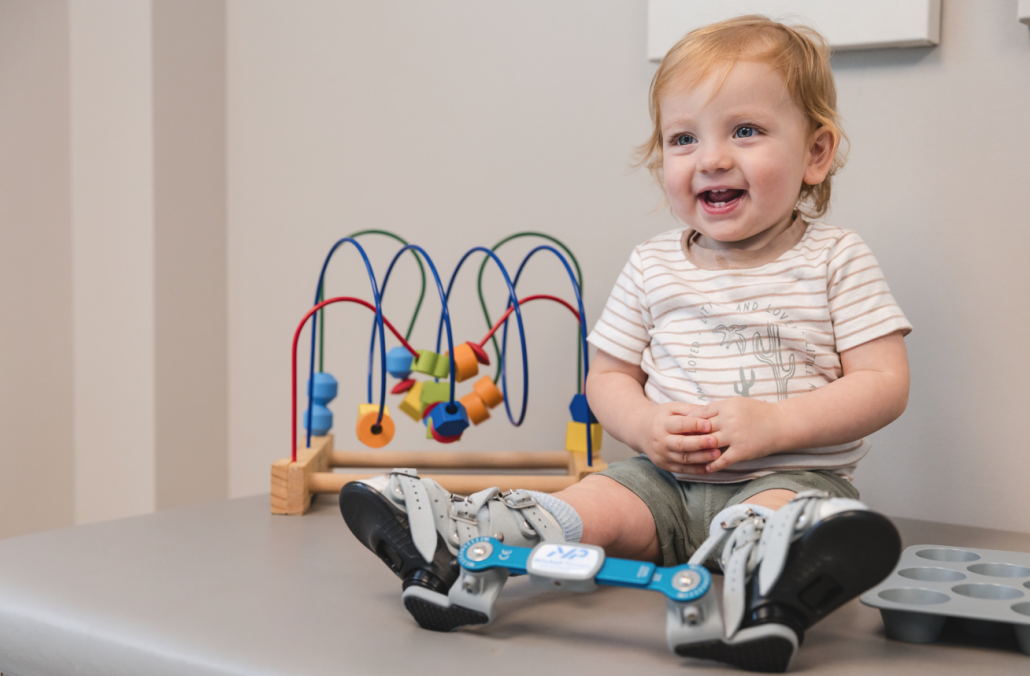
  • After correction, a brace (boots and bar) keeps the feet in the right position.
  • Worn 23 hours/day for the first 3 months, then during naps and nighttime until about age 4–5.
  • Consistent bracing prevents relapse and ensures lasting results.

Why It Works:
When parents follow the full plan—especially the bracing phase—the Ponseti Method has a very high success rate, allowing most children to grow up walking, running, and playing without limitations.

Learn More About Clubfoot Treatment In Our Blogs: 

Understanding the Ponseti Method

Clubfoot Treatment Phases: Casting, Tenotomy, Bracing Explained

Understanding Clubfoot: Treatment Options and Care for Your Child

Bracing Phase: Keeping the Correction

The bracing, or maintenance phase, begins after your child’s foot has been corrected. The brace doesn’t fix clubfoot—it keeps the foot in its new, healthy position and prevents it from turning back in. Think of it like wearing a dental retainer after braces—it helps maintain all the hard work already done.

Your role is key during this stage. It takes time and patience to adjust, especially in the first few weeks, but you’re not alone. We offer helpful resources for putting on the brace, preventing skin irritation, and supporting your baby’s sleep and comfort.

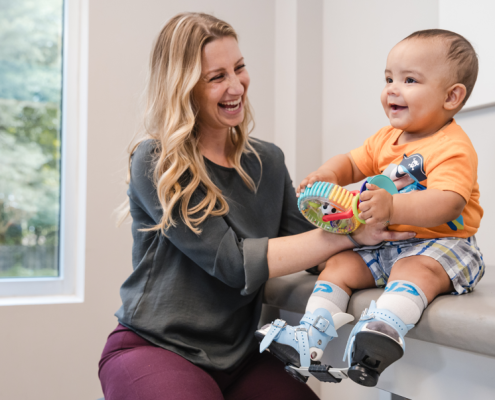
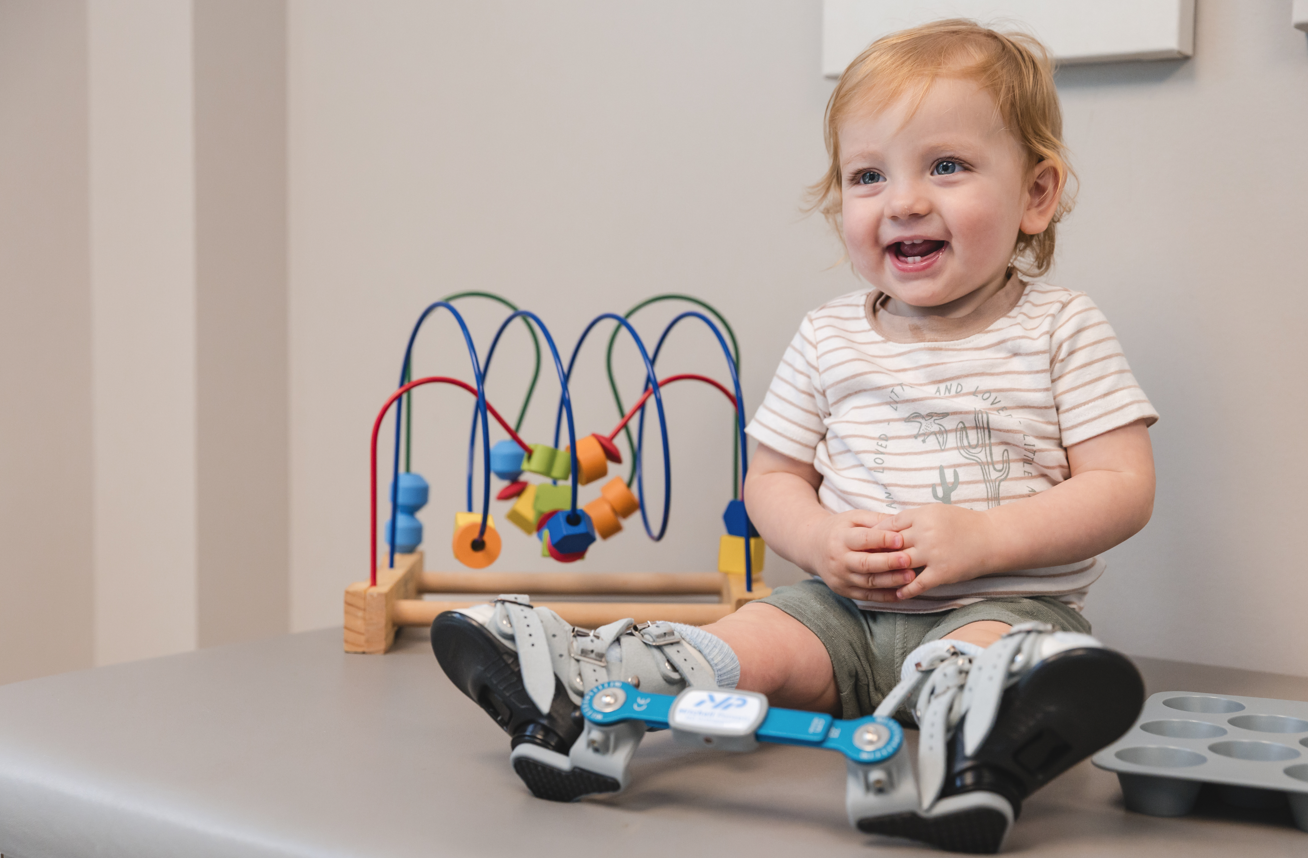
The boots and bar (foot abduction brace) keeps your child’s feet turned outward to maintain correction.

  • Worn: 23 hours a day for the first 3 months, then during naps and nights until around age 4–5.
  • Parts: Two special shoes (“boots”) attached by a bar that holds the feet at shoulder width.

Purpose: Keeps muscles and tendons stretched so the feet stay properly aligned.

Learn More About Clubfoot Bracing In Our Blog:

Ponseti Method Clubfoot Braces: Common Questions Answered

This phase is just as important as casting—without consistent brace wear, clubfoot can return. With steady use and support, your child can grow, play, and move with confidence.

Learn More About Clubfoot Bracing In Our Blog:

Clubfoot Treatment Overview Blog

Looking for more? Here are some additional resources that can help you on your child’s clubfoot bracing journey

Resources to Support Bracing at Home

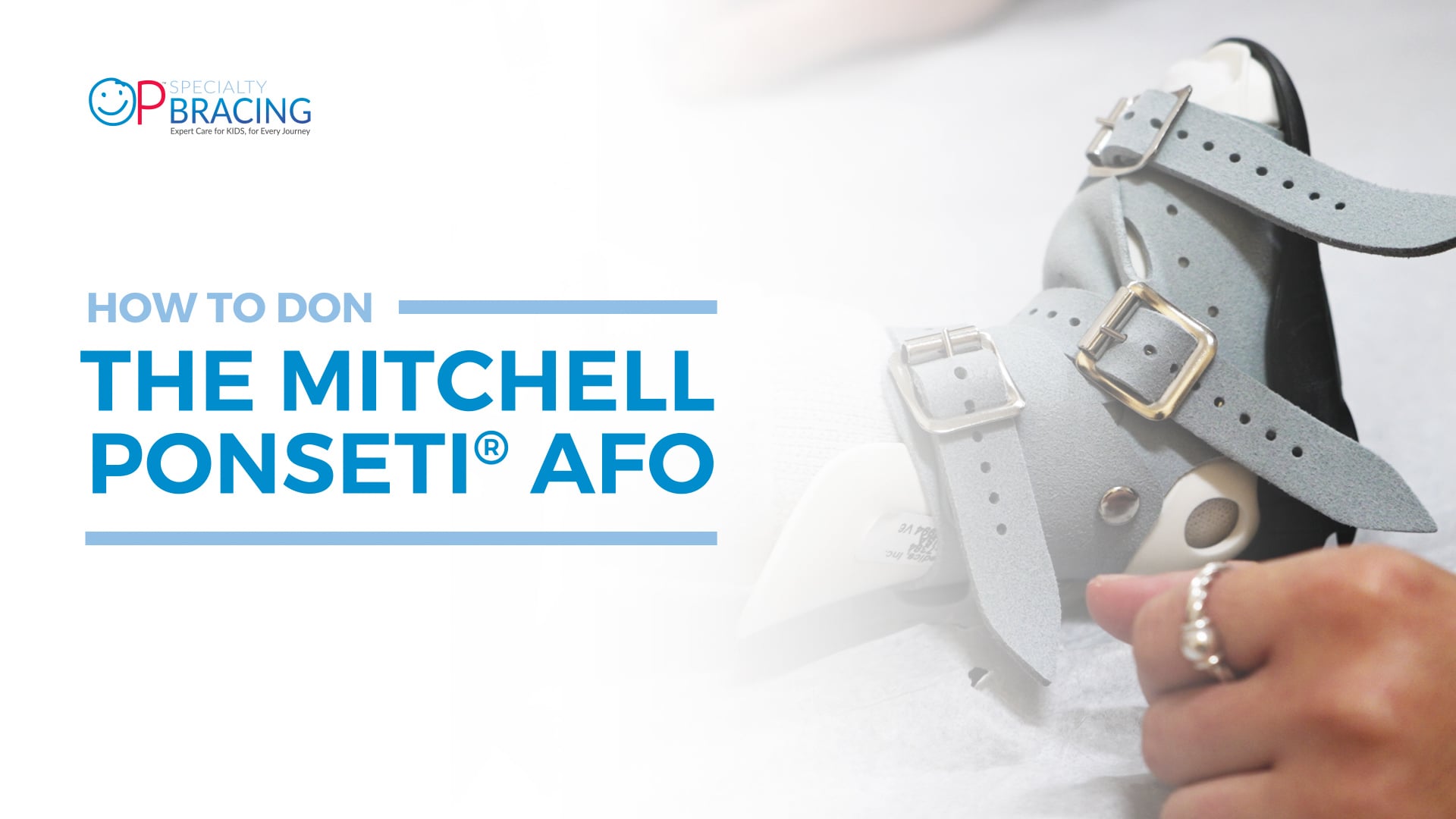
We know that bracing is a journey and there will be moments when you need extra guidance to help support your efforts at home. From videos on how to put on the boot/AFO to a printable graduation certificate when bracing is complete, these featured resources were designed specifically for your bracing journey.

My Baby Has Been Diagnosed with Clubfoot, Now What?

A clubfoot diagnosis—whether found during pregnancy or after birth—can feel overwhelming at first, but the good news is that with early, consistent treatment, most children go on to walk, run, and play without limitations. Here are the key steps parents can take right after diagnosis:

  • Clubfoot is treatable, and the Ponseti method has a success rate of over 90% when followed properly.
  • Learn about the condition from reliable sources so you understand the treatment process.
  • Ask your pediatrician for a referral to a pediatric orthopedic specialist experienced in the Ponseti method.
  • The earlier treatment begins—ideally in the first weeks of life—the easier correction will be.
  • The process includes casting, a possible minor procedure, and bracing.
  • Know that bracing is a long-term commitment and the key to preventing relapse.
  • Join parent support groups, online communities, or follow other families’ journeys on social media.
  • Hearing from others can make the process less intimidating and more encouraging.
  • Don’t hesitate to ask your care team about anything you don’t understand.
  • Understanding each phase will help you follow the plan confidently.

Patient Story

Alma’s Clubfoot Story

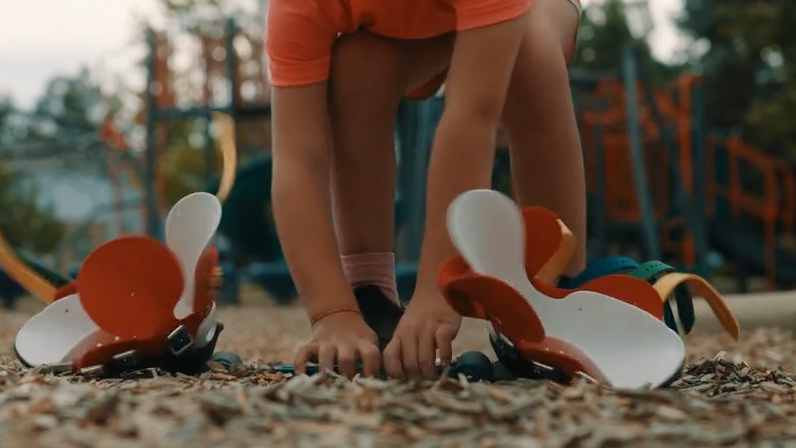
Meet Alma, a courageous young girl born with bilateral clubfoot. In this heartwarming video, Alma shares her personal story of resilience and determination. Wanting to be just like her sisters, Alma needed special Mitchell Ponseti AFOs and bar to correct her condition.

Clubfoot Resources

Search By keyword

Understanding the Ponseti Method for Clubfoot

Clubfoot Treatment Phases: Casting, Tenotomy, Bracing Explained

Ponseti Method Clubfoot Braces: Common Questions Answered

Product Resources

Search By keyword

Filter by Product

Filter by Product

Clubfoot

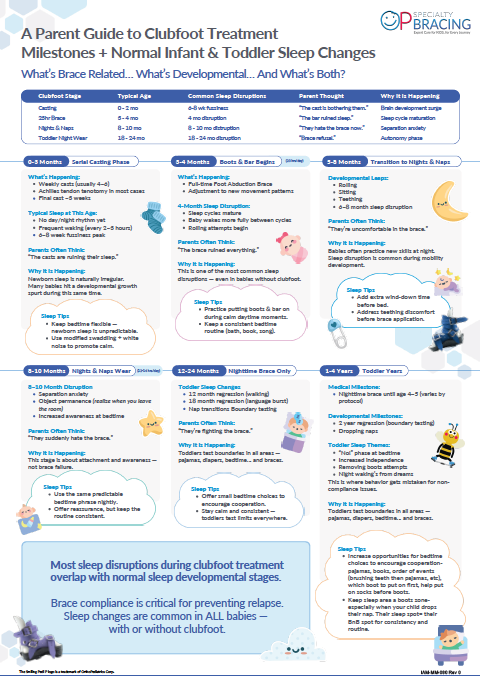
Clubfoot Sleep Tips Poster

Clubfoot

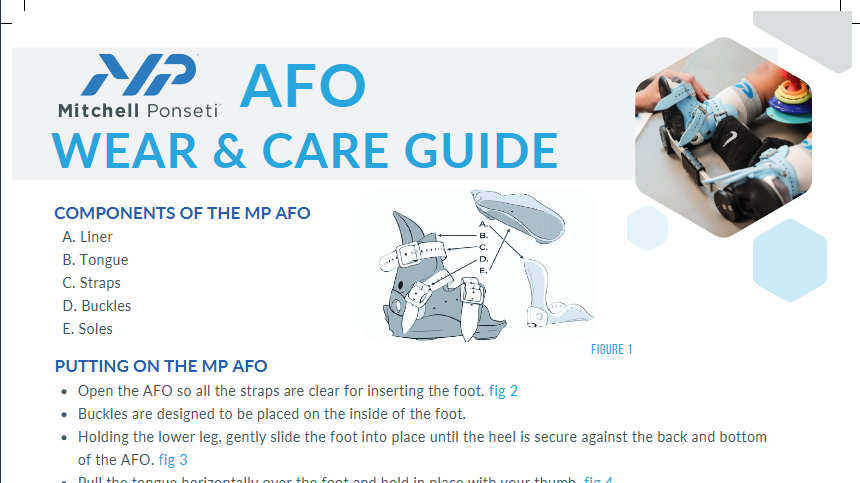
MP AFO Wear & Care