Flat Head Syndrome Family Resources
flathead
Top Things You Should Do When Your Baby is Diagnosis with Flat Head Syndrome

What is Plagiocephaly?

Plagiocephaly, also called flat head syndrome, is when a baby’s head develops a flat spot or uneven shape. This often happens because babies’ skulls are soft and moldable in the first months of life. Spending a lot of time lying in one position—such as on their back—can sometimes cause flattening on the back or one side of the head.

Its important for parents to know that plagiocephaly is very common and usually does not affect a child’s brain growth or development. In most cases. the shape of the head improves over time with simple positioning changes or if needed, treatment recommended by your doctor.

Plagiocephaly often develops gradually, and parents are usually the first to notice changes in their baby’s head shape. Here are the most common signs:

  • Uneven or flat area, on one side or back of your baby’s head.
  • Ears not lining up.
  • Facial asymmetry.
  • Preference for one head position.

Learn More About How Signs of Plagiocephaly In Our Blogs:

Flat Spot on Baby’s Head- What It Means and When to Act

Pediatricians usually diagnose plagiocephaly by:

  • Physical exam: Your pediatrician looks at your baby’s head shape, ears, and facial symmetry during routine checkups.
  • Parent observations: Sharing when you first noticed the flat area, and how your baby usually sleeps or spends time, helps the doctor understand the cause.
  • Measuring head shape: Sometimes, doctors measure the head to see how flat or uneven it is.
  • Ruling out other conditions: Doctors may check for craniosynostosis (a rare condition where skull bones fuse too early). If there is any concern, your child may be referred to a specialist.

Learn More About Plagiocephaly In Our Blog:

Plagiocephaly vs Brachycephaly: Key Differences for Parents

Top Things You Should Do When Your Baby is Diagnosis with Flat Head Syndrome

Treatment for Plagiocephaly

Most babies with plagiocephaly or brachycephaly improve as they grow and start moving/sitting up more. Treatment is focused on relieving pressure and encouraging growth to the flattened area.

  • Tummy time: Give your baby supervised time on their tummy throughout the day to strengthen neck muscles and reduce pressure on the back of the head. Tummy time includes time your baby is upright and off their back. 
  • Repositioning: Gently change your baby’s head position when they sleep (always on the back but turn the head gently to different sides). During awake hours you can also place toys or yourself on the opposite side to encourage head turning.
  • Neck stretches: If your baby has tight neck muscles, your doctor may recommend physical therapy or simple stretches at home.
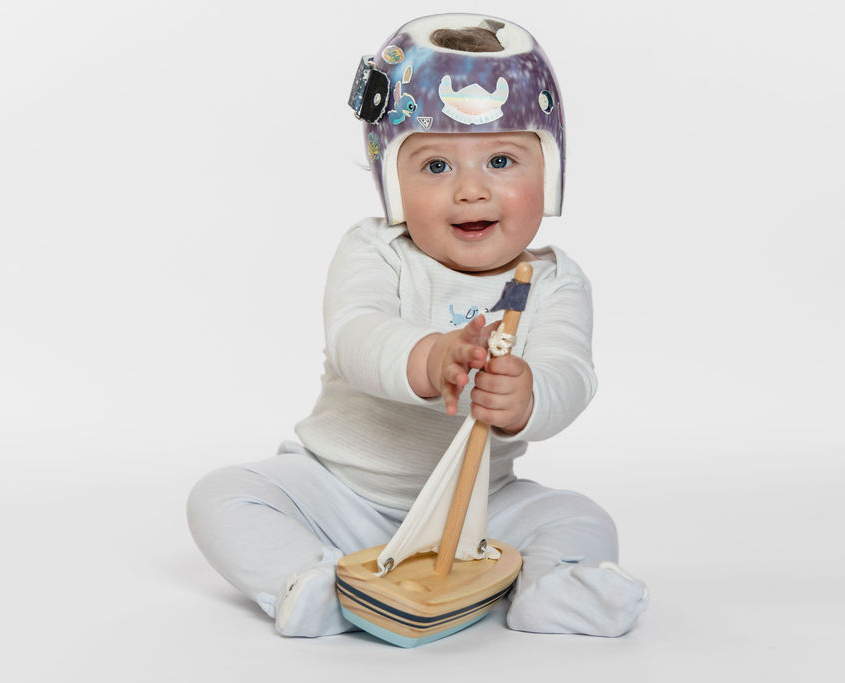
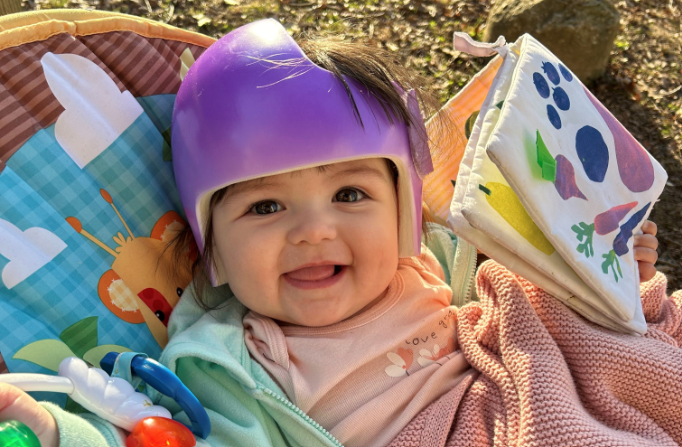
  • Helmet therapy: If the flatness is moderate to severe or not improving with at-home care, your pediatrician may recommend an evaluation for a custom-fitted helmet. The helmet gently guides skull growth into a rounder shape.
  • Physical therapy: Physical therapy is especially helpful if torticollis is contributing. Therapy helps improve head movement to reduce pressure on the flat area.

Learn More About How Plagiocephaly Treatment In Our Blogs:

How Cranial Helmet Therapy Works for Flat Head

Torticollis and Flat Head Syndrome

Top Things You Should Do When Your Baby is Diagnosis with Flat Head Syndrome

Cranial Helmet Therapy

When a baby’s plagiocephaly is moderate to severe and/or not improving with at-home treatments like repositioning and tummy time, doctors may recommend helmet therapy (also called a cranial remolding orthosis). A helmet helps guide the baby’s skull into a rounder, more even shape as the head grows.

The helmet is custom-made to fit your baby’s head, that has space in the flattened areas to allow your babies’ head to grow in those spots.

Ideal age: Starting treatment time is ideally between 4 and 6 months, when the skull is most moldable and head growth is fastest, but helmets may still be helpful up to 18 months.

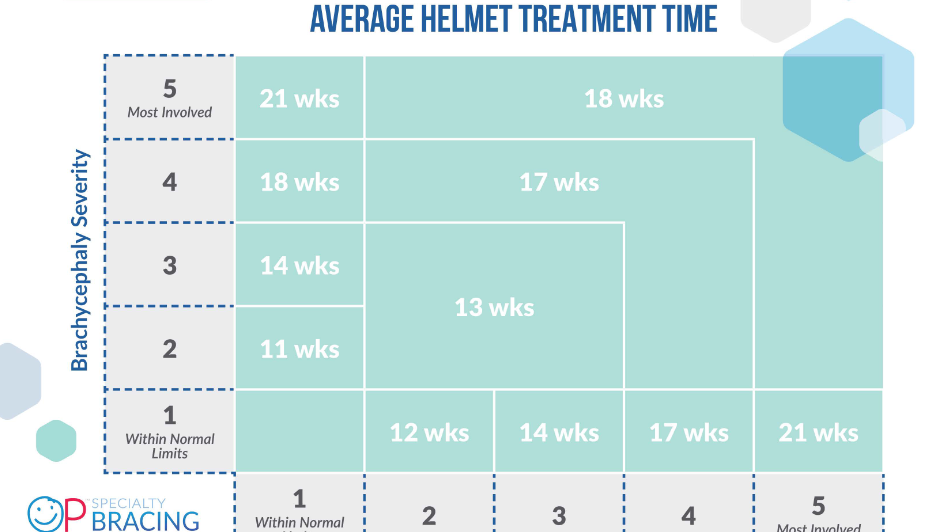
Wearing schedule: Babies usually wear the helmet 23 hours a day, for an average of 3 to 6 months, depending on severity and age at the start of treatment.

Learn More About What to Expect in Cranial Therapy Works In Our Blog:

Parent Guide to Cranial Helmet Therapy: What to Expect

  • If you are looking for more support from families whose infants are being treated for plagiocephaly, join our support group on Facebook

Click Here to Join

Top Things You Should Do When Your Baby is Diagnosis with Plagiocephaly

  • Encourage your baby to rest their head on different sides while sleeping (always on the back for safety).
  • Place toys or anything stimulating on the less-preferred side to get your baby looking both ways.

Give your baby supervised tummy time several times a day. Start with short sessions and build up as they get stronger.

Reduce long stretches in car seats (when possible), swings, or bouncers where the head rests against a flat surface (when possible).

Carrying your baby upright in your arms, a sling, or a carrier takes pressure off the head.

Notice if your baby always tilts or turns their head one way. If so, ask your doctor about neck stretches or a physical therapy referral.

Regular checkups help track head growth and make sure treatment is working.

If your baby’s flattening is not improving or you have concerns, ask your pediatrician about helmet options—best results come when started between 4–6 months.

Most babies’ head shapes improve over time, and the condition does not affect brain development.

Georgia’s Clubfoot Helmet Story Image

Patient Story

Georgia’s Helmeting Journey

Despite everything she’s been through, she’s still smiling- and her family is so proud of how far she’s come.

Georgia was diagnosed with left craniosynostosis at 9 weeks old. After her surgery, a cranial helmet was needed quickly, with some help from the OPSB clinic, Georgia rocked her helmet journey.

Plagiocephaly Resources

Search By keyword

Stelios’s Cranial Helmet Journey for Plagiocephaly

Jackson’s Story: Early Action, Big Results in Plagiocephaly Care

Product Resources

Search By keyword

Filter by Product

Filter by Product

Flat Head Syndrome

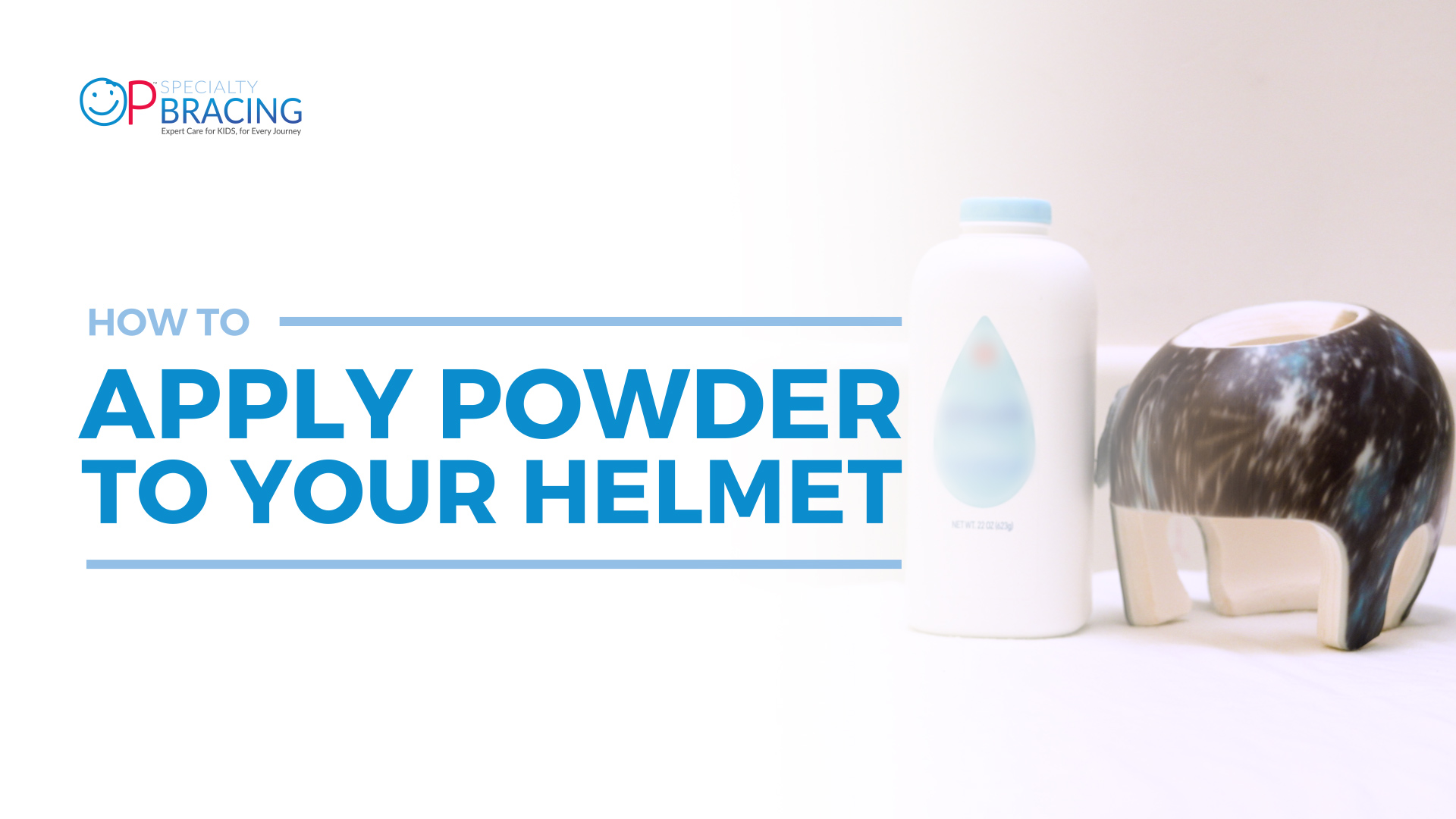
How to Apply Powder to Your Helmet

Flat Head Syndrome

Cranial Treatment Timeline 3-5mo Chart

Flat Head Syndrome

Cranial Treatment Timeline 6-9mo Chart