limb difference

Who’s on the Care Team

Oversees your child’s overall medical care, development, mobility, healing, and readiness for a prosthesis. Your doctor will also help provide paperwork and clinical documents for your child’s device to be covered by insurance.

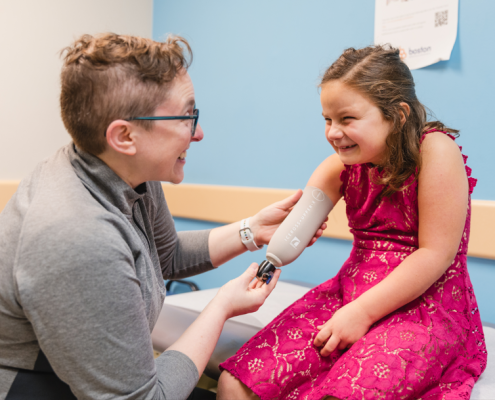
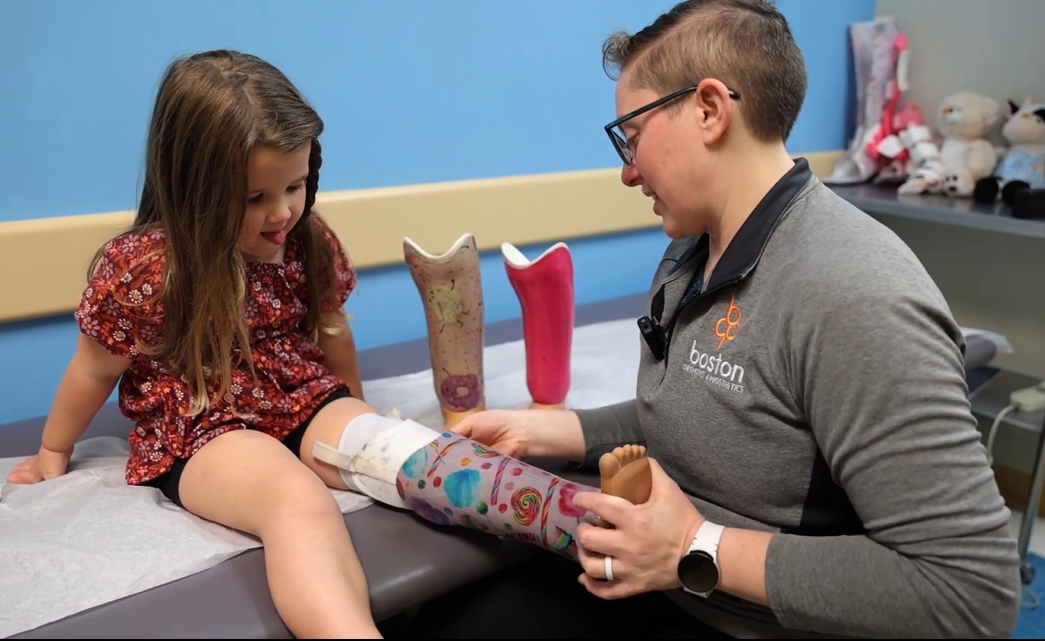
Designs, fits, and adjusts your child’s custom prosthetic device to ensure comfort, function, and growth.

Teach your child how to move, balance, and perform daily activities using the prosthesis.

Helps with wound care, monitoring healing, and coordinating appointments.

Supports emotional adjustment, confidence, and coping for both the child and family.

Assists with scheduling, insurance, and connecting your family to community and school resources.

Plays the most important role; encouraging practice, celebrating progress, and providing daily support.

Importance of a Pediatric-Trained Prosthetist

  • A pediatric-trained prosthetist understands how children grow, move, and learn. They design prosthetic devices that adapt to your child’s development and active lifestyle. Pediatric prosthetic parts are very different from adult prosthetic parts, and pediatric-trained prosthetists work more commonly with the devices and designs that will meet your child’s activity needs. Their expertise ensures the prosthesis fits comfortably, supports movement and play, and grows with your child.
  • Just as important, they know how to make the process fun, encouraging confidence and helping kids feel proud of what they can do.
  • Additionally, pediatric-trained prosthetists tend to work within a network of other pediatric specialists, and can provide support, connections, and access to other resources to best serve your child’s needs.
limb difference

Limb Difference

A limb difference means a child is born with a part of an arm or leg that looks or functions differently. It may have been caused by under-development of the limb (examples such as “hemimelia”, or “PFFD”), or could be caused by the amniotic band wrapping around the limb, preventing growth.

Differences can be mild or more noticeable, and each child’s needs are unique.

  • Limb differences may be identified before birth through ultrasound or after birth during a physical exam.
  • Imaging tests such as X-rays or MRIs help doctors understand bone and muscle structure.
  • The goal of diagnosis is to create the best plan to support your child’s growth, movement, function, and independence.
  • Depending on your child’s limb difference, there may be many treatment options or pathways available to you.
  • Surgical Options: Doctors may use terms such as “limb salvage” or “limb reconstruction” which may involve multiple surgeries to help align, lengthen, or correct your child’s limb, depending on their individual limb difference
  • Non-operative options: There may also be non-surgical options to help treat your child’s limb difference, including mobility devices (like an “Orthosis” to support their limb) and physical therapy
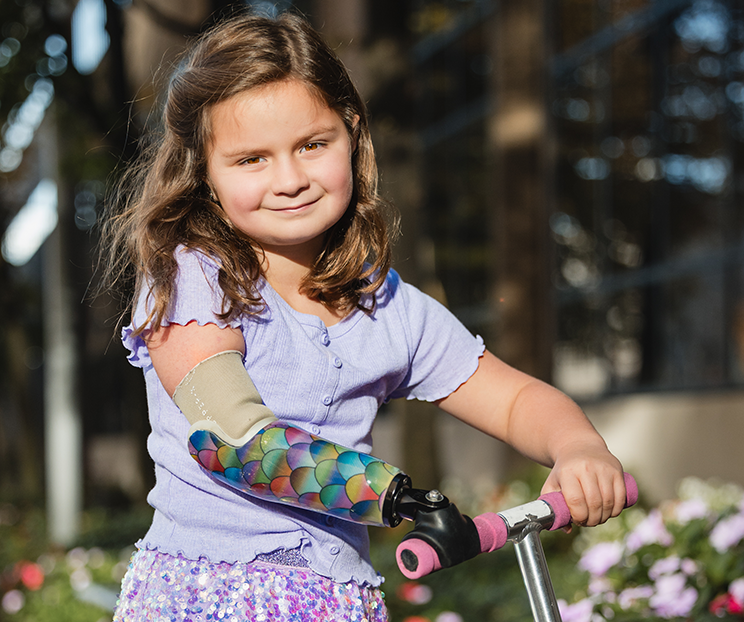
  • Upper Limb: If your child has a limb difference of their upper limb, a device may help to support grip functions or activities they would like to achieve, but may not be used at all times
  • Lower Limb: If your child has a limb difference in their lower limb, a device may support the existing limb to help your child run, jump, and play while keeping their limb safe and stable. Depending on the amount of their limb difference, a portion of the device may include a lift or prosthetic parts to make your child’s legs equal for stability, safety, and healthy growth.
limb difference

Limb Loss

Limb loss occurs when a child is born without part of an arm or leg (congenital limb loss) or loses a limb later in life due to injury, infection, or illness (acquired limb loss).
Each child’s experience is unique, and care is focused on supporting function, mobility, and confidence.

  • Congenital limb loss is often identified before birth through ultrasound or at birth during a physical exam.
  • For acquired limb loss, diagnosis and treatment planning happen during the injury, illness, or surgery. Depending on the reason for the limb loss, the treatment planning, diagnosis process, and timeline may be different.
  • Imaging tests and team evaluations help doctors understand bone and soft tissue structure to create a plan for healing and long-term support.
  • Surgery
    • Depending on your child’s limb and cause (congenital versus acquired), you and your doctor may need to discuss surgical options to help improve long-term function for your child. This may involve limb lengthening, corrective, or salvage surgeries or even amputation. These discussions may take place over the course of many years (in cases of congenital limb difference), or may be relatively rapid in urgent situations (trauma, cancer, illness, etc.)
  • Orthotic/Prosthetic Device fitting
    • Depending on your child’s limb loss, injury, trauma, or illness, the doctor may recommend they are fit with an orthotic or prosthetic device. This device could function to help support and protect the limb, stabilize the limb, or promote healing. Depending on the situation, it could also be designed to promote mobility if your child is ready (both developmentally and medically)
  • Prosthetic devices are meant to replace the function of missing joints and limb parts. This means that while your child may be missing multiple joints, the prosthesis may not replace each one of those joints individually:  
    • For example, if your child is missing their wrist, hand, and fingers, a prosthesis may not replace each of the small joints of their hand and fingers. However, the prosthesis would help replicate similar grip and grasp functions that their missing hand and fingers would have performed.
    • If your child is missing their foot and ankle, most prosthetic feet do not also have an “ankle joint” that points the foot up and down. However, the flexibility of the materials that prosthetic feet are made out of replace that function of the ankle moving up and down while your child is walking.  
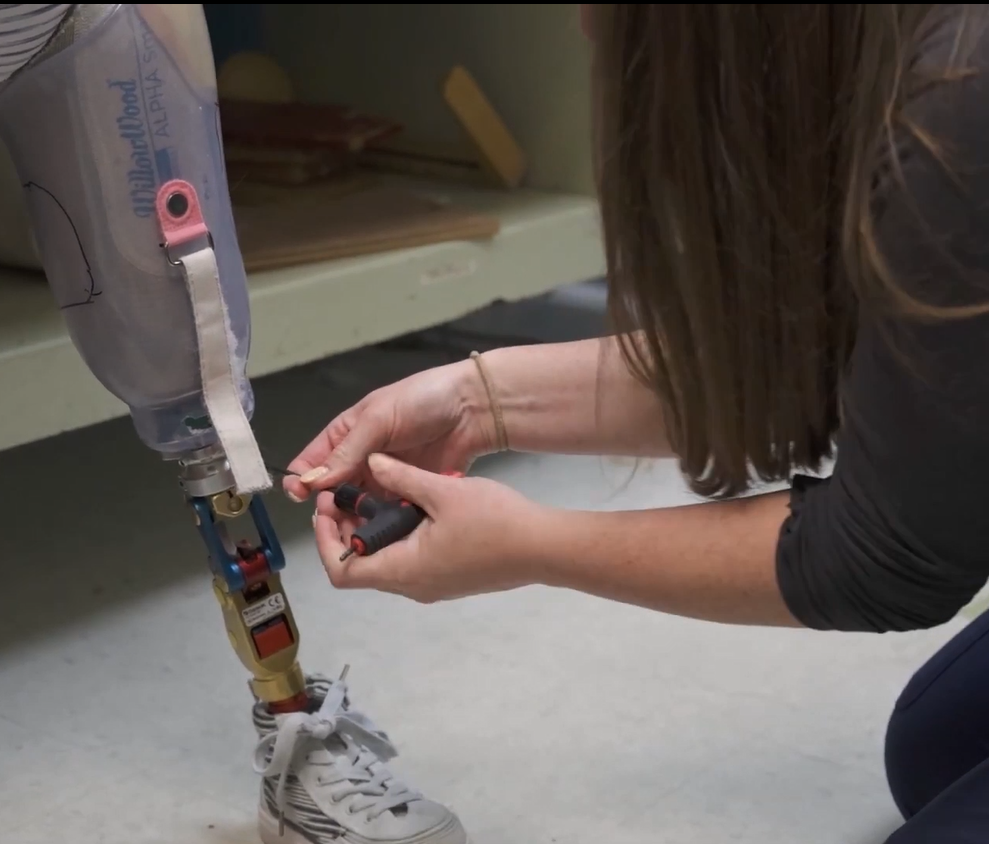
  • The prosthetic socket, the piece that interfaces with your child’s residual limb, will encompass their limb up to, or slightly above, the next joint. Your prosthetist will work with you to make sure the socket is fit properly, and these designs are used in order to stabilize your child’s limb and provide control and leverage for use of the prosthesis.  
  • Upper Limb: If your child has a limb loss of their upper limb, a device may help to support grip functions or activities they would like to achieve, but may not be used at all times. Upper limb prostheses can be thought of as tools to help with specific tasks, and could be catered to what your child needs, including sports and activity-specific devices 
  • Lower Limb: If your child has limb loss of their lower limb, a device would replace the function and length of their missing limb and joints so they can run, jump, and play. Depending on the level of their limb loss, that prosthesis would contain a foot, knee, and possibly hip joints. If your child is active in sports and other activities, you may be able to obtain an activity-specific prosthesis through your prosthetist or other funding sources
limb difference

Life with a Prosthesis

Living with a prosthesis is about more than adapting to a device, it’s about helping your child grow, play, and live with confidence. Every step of the journey is supported by teamwork, creativity, and encouragement.

  • Celebrate progress, big or small, everything from taking the first steps with a new prosthesis to mastering a favorite activity.
  • Encourage your child to express feelings and ask questions about their prosthesis.
  • Help them see their device as a tool for strength and independence, not a limitation.
  • Surround your child with positive role models; older kids and adults who wear prosthetic limbs can help them see what’s possible.
  • Children with prosthetics can participate fully in school, sports, hobbies, and play.
  • Adaptive sports programs and inclusive activities are one way your child can build strength, balance, and self-esteem alongside other children with adaptive needs.
    • Adaptive activities include sports and recreation that have been modified to meet the needs of various mobility differences. Participation in these activities can help normalize prosthesis use and help your child make connections with others who use prostheses. However, just because your child uses a prosthesis, this does not mean they are only able to participate in adaptive activities. Encourage your child to participate in any activity they wish! It’s important for them to be included in activities with their peers who don’t have limb loss/limb difference as well.
  • Work with teachers and coaches to ensure your child has the support they need for classroom tasks or physical activities.
  • Encourage friendships and open conversations. Other children often take cues from your child’s comfort and confidence.
  • Prosthetic Care Teams: Continue regular check-ins to adjust fit, support growth, and track development.
  • Therapy Services: Physical and occupational therapy help improve coordination, balance, and independence.
  • Support Organizations:
  • Parent and Family Groups: Online and local communities connect families for shared advice, encouragement, and friendship.
limb difference

Advocating for Your Child

Advocating for your child means making sure their medical, emotional, and functional needs are fully understood and met. Here are key ways to navigate the process with confidence:

  • Don’t hesitate to ask your child’s care team about every step of the process — from diagnosis to device options.
  • Ask how each prosthetic type supports your child’s goals for movement, play, and independence.
  • Take notes during appointments and repeat information back to ensure you understand what’s being said.
  • It’s okay, and even helpful, to get another perspective, especially if you’re unsure about the treatment plan or prosthetic recommendation.
  • Pediatric prosthetics is a highly specialized field, and another clinic may offer different technology or a more child-centered approach.
  • When seeking a second opinion, bring copies of medical records, imaging, pictures, and previous prosthetic devices or recommendations to be able to discuss all details with your healthcare team
  • Contact your insurance provider to understand coverage for prosthetic devices, fittings, and repairs.
    • This may be under a different section of your medical policy than “specialists”. Sometimes coverage for orthotic or prosthetic devices is in a secondary “DME (Durable Medical Equipment) Coverage” section of your insurance plan. Be sure to look through your whole plan.
  • Ask your prosthetist, doctor, physical therapist, or social worker for help with documentation, they often know how to phrase medical necessity to support approval.
  • Look into additional funding options, including:
    • State and federal programs: Medicaid, Children’s Health Insurance Program (CHIP), or vocational rehabilitation services.
    • Nonprofit organizations: Groups like Shriners Hospitals for Children, Challenged Athletes Foundation, and Limbs for Life may provide grants or assistance.
    • Community and charitable resources: Local children’s hospitals, foundations, or crowdfunding platforms can help fill coverage gaps.
  • Be specific about what your child struggles with, whether it’s running, dressing, or playing, so providers can tailor recommendations.
  • Bring photos or videos showing challenges or successes at home to give the team real-life context.
  • Keep a running list of adjustments or concerns to share at each appointment.
  • You don’t have to know what’s wrong, you just have to know if something doesn’t feel right. Communicate any and all concerns to your care team. You know your child best, and they should work with you to address your concerns and your child’s needs!
  • Connect with other parents and families who have children with prosthetic limbs, they can share tips, emotional support, and trusted resources.
  • Join online groups or local adaptive sports programs to see what’s possible and keep your child inspired.

You know your child best, their personality, comfort levels, and daily needs. Trust your instincts and speak up when something doesn’t feel right. A good prosthetic care team will welcome your voice, value your input, and partner with you to help your child thrive.

Prosthetics & Limb Difference Treatment Timeline

Your child’s limb loss or difference should be managed by a team of specialists from many different areas of expertise. Each specialist helps with a different aspect of your child’s care, from medical assessment, mobility goals, rehabilitation, to device design & growth.

Depending on your child’s limb loss or limb difference, the treatment timelines for obtaining a mobility device may vary. Factors that may impact the treatment time could include: if surgeries are needed, other medical conditions, or your child’s individual growth & developmental milestones.

If your child is not having surgery, they will be fit with a mobility device that matches their mobility milestones. For example, a child may be fit with their first leg orthosis or prosthesis at the time they are pulling to stand. Your care team will help you determine the best time for device fitting based on your child’s development.

  • Therapy may begin early to support movement, balance, and strength.
  • For infants, early play-based therapy helps with developmental milestones like crawling and grasping.
  • If your child is having surgery, therapy may help prepare them to get stronger so the recovery from surgery can be easier
  • If your child is not having surgery, therapy is still important to help them work on mobility and strength, with or without their mobility device.
  • Immediately after surgery, your child may be fit with a post-operative device or cast to help protect the limb while it is healing. The focus during this time period is on safe healing, skin protection, and positioning to help your child’s limb heal best with minimal complications.
  • Your surgeon should educate you on skin care, positioning, and mobility restrictions to help your child’s limb heal best.
  • Your doctor will determine when your child and their limb are ready to be fit with a mobility device after surgery, if indicated.
  • Depending on your child’s limb loss or limb difference they may require a mobility device for safety and function. An example of this device could be:
    • Orthosis: An orthosis supports an existing limb to improve alignment and stability for functional movement
    • Prosthesis: A prosthesis replaces a missing limb to restore functional movement
    • Hybrid device: There are many names for this type of device (“Foot-in-foot”, Extension Prosthesis, OrthoProsthesis, Prosthosis). This is a device that addresses extreme leg length discrepancies where the anatomy of the limb is still present but requires support. For example, this includes someone with a very short thigh bone and typical lower leg anatomy who may require a hybrid device to support their existing anatomy while accommodating their leg length difference.
  • The device your child will receive would most likely be a custom device, made exactly to your child’s limb. These custom devices take multiple fitting appointments to ensure that they are fitting and functioning properly for your child’s balance, walking, mobility, and activities!
    • Once your child is deemed ready to receive a device, they will need to be molded for that device by their orthotist/prosthetist. It can take anywhere from 2 – 8 weeks for the fitting of that device, depending on the complexity and their type of limb difference. Those appointments would look like:
      • Evaluation/Casting appointment
      • “Test” (or Practice) fitting appointments
      • Final Delivery appointments
      • Follow-up appointments
  • As your child grows, fittings and adjustments are made to ensure comfort and proper function. Your child may need frequent device updates or replacements as they grow, and that’s normal!
  • Regular visits allow the care team to monitor growth, make device updates, and support changing needs.
  • Therapy continues to help your child adapt to new skills or devices.
  • As your child becomes more independent, the care plan evolves to focus on confidence, participation in activities, and quality of life.
  • Emotional support, peer connections, and family education remain key parts of care.

Patient Story

Emery’s Prosthetic Journey

Watch Emery’s experience working with Lauren and her team at our OPSB Clinic.

In this story, her family shares how a proper fit changed everything. Her prosthetist, Lauren, and the orthopedic team work together so Emery can keep up with her siblings today and stay set up for long term growth.

Prosthetics & Limb Difference Resources

Search By keyword

Beginning Your Journey With Amputation: A Guide for Parents

Choosing a Prosthetist for Your Child: Why Pediatric Training Matters

Matching Growth & Development Milestones to Prosthesis Design

Product Resources

Search By keyword

Filter by Product

Filter by Product

Prosthetics

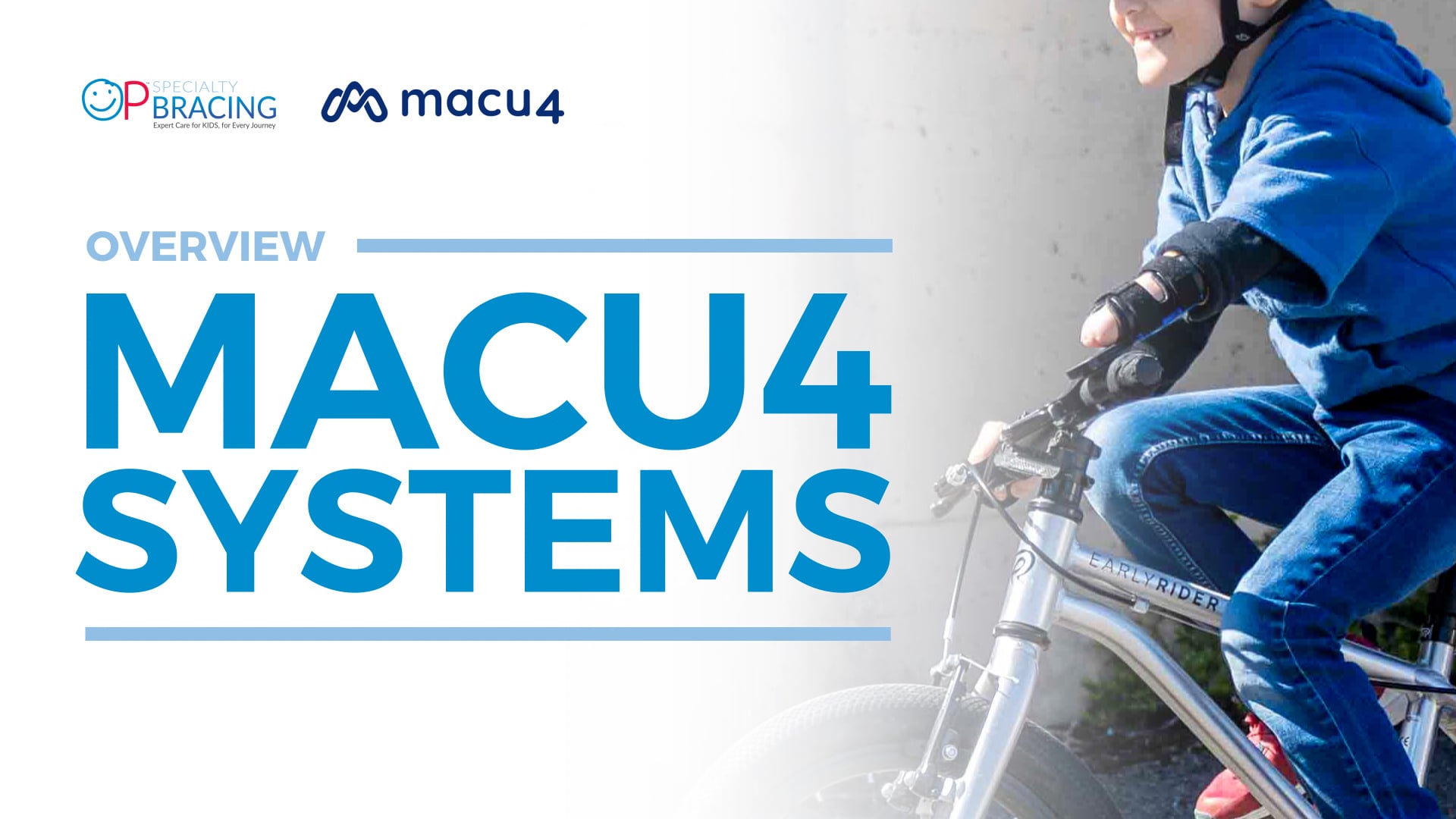
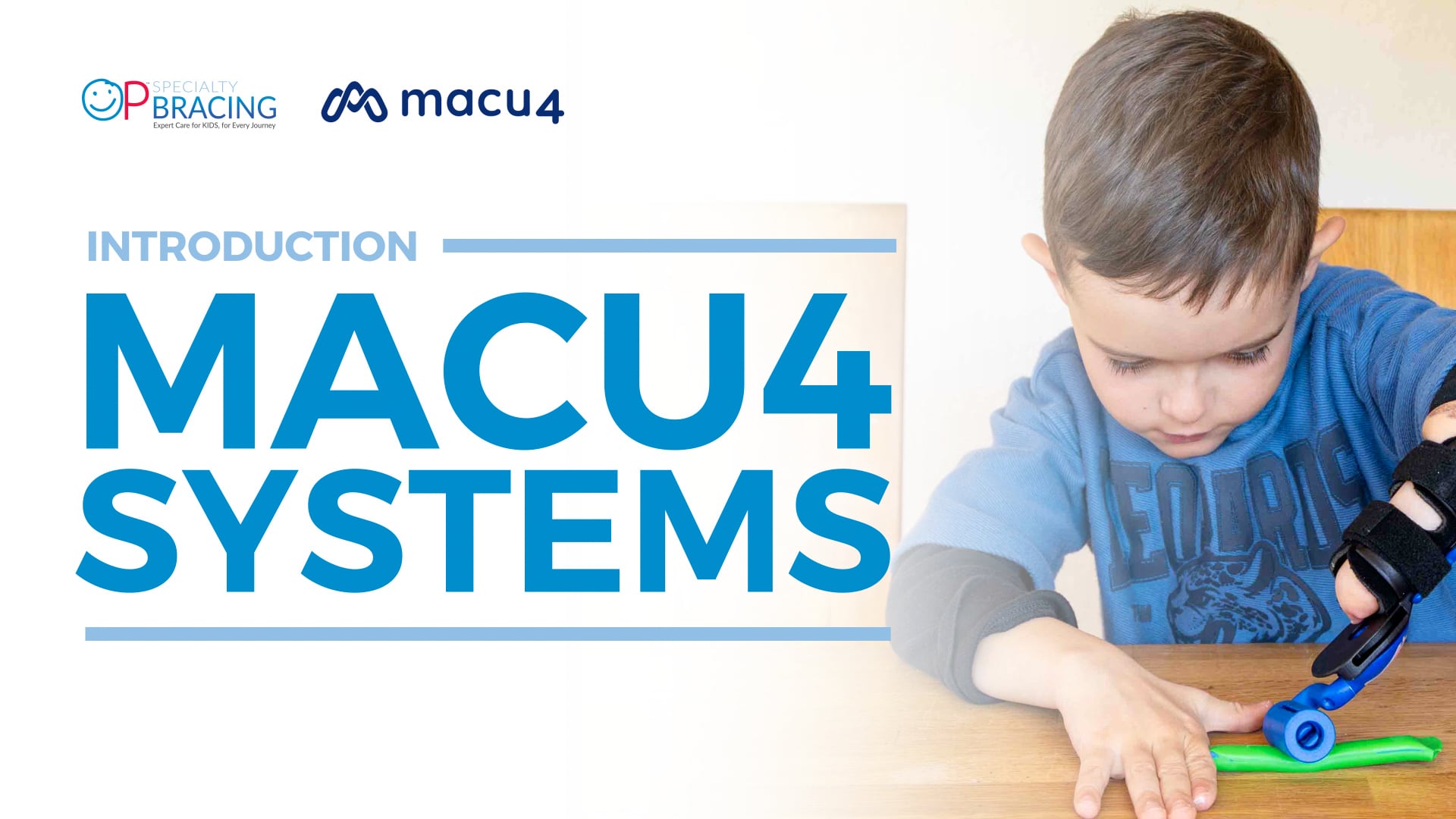
Introduction to macu4 Systems

Prosthetics

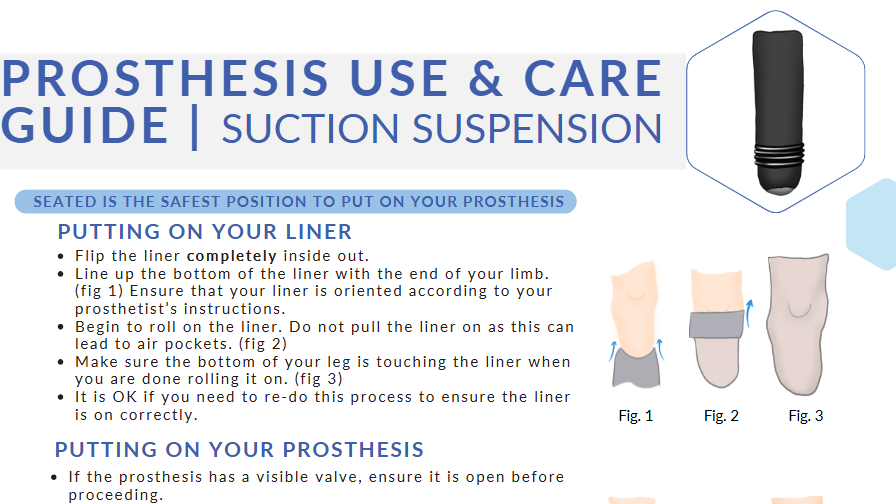
Suction Suspension Use & Care Guide