
Understanding the Ponseti Method for Clubfoot
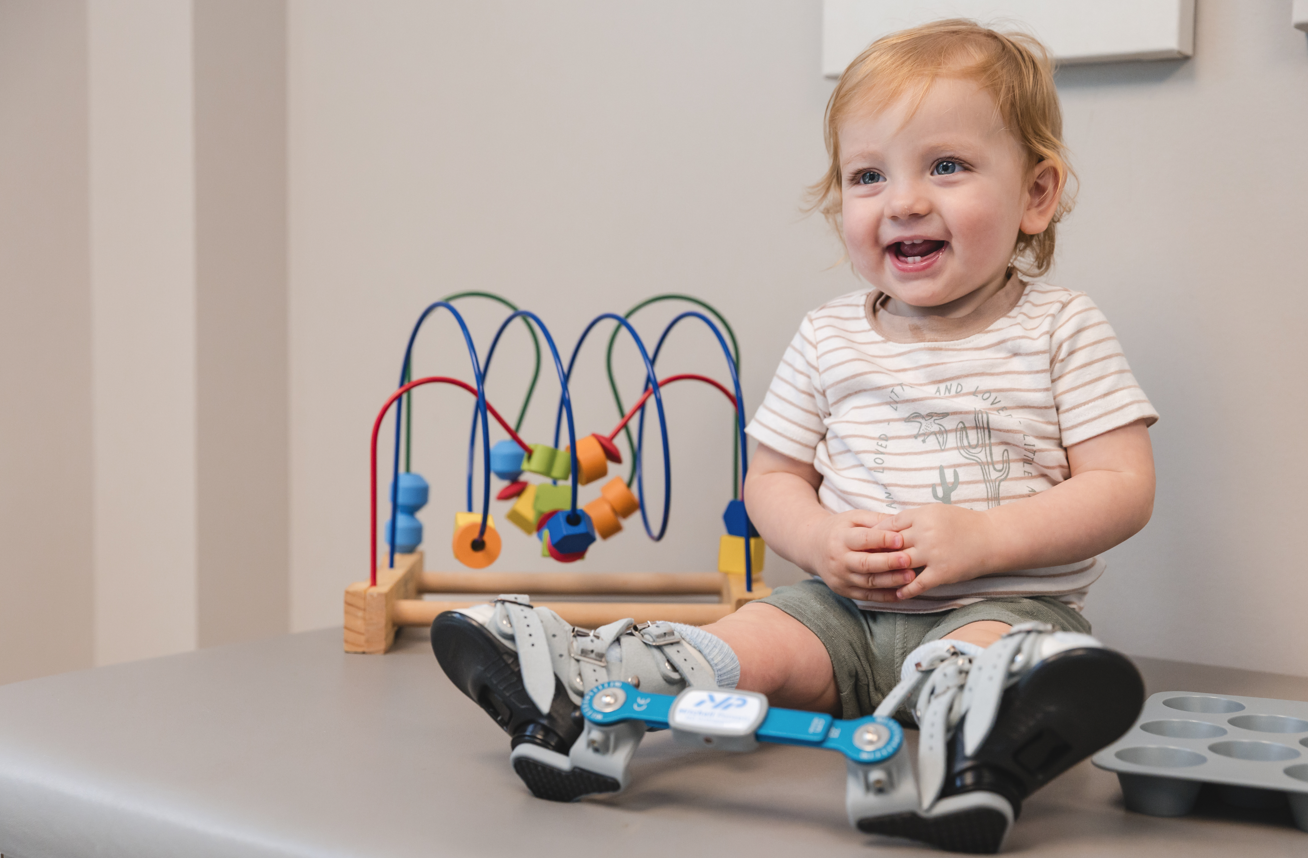
Clubfoot is a common birth defect that makes a baby’s foot turn inward and upward. Parents and caregivers often feel overwhelmed when they first hear this diagnosis, but they can take comfort in the fact that early treatment can make a huge difference for a child’s mobility and comfort.
The Ponseti Method is the most trusted way doctors around the world treat clubfoot in infants. This gentle technique focuses on using gentle manipulation of the foot, series of casts, and a minor procedure, to guide the foot into the correct position. Then the feet are maintained in a brace for several years to ensure the child’s feet maintain correction. In this article, you’ll find out how the Ponseti Method works, why it’s become the gold standard of treatment worldwide, and what steps you can expect if your child needs treatment.
Key Steps in the Ponseti Method
The Ponseti Method uses a series of clear steps, each with a purpose. Let’s break down these important parts:
Initial Assessment
The journey starts with a detailed exam by a specialist, usually soon after birth. They look at how stiff the foot is, what direction it turns, and whether both feet are involved. This checkup helps determine the best course of action.Gentle Manipulation Techniques
During each casting session, the doctor carefully uses their hands to gently stretch the foot in the direction it the correct position. They focus on loosening tight areas and straightening the foot in tiny, safe steps. Think of it like untangling a knot in a shoelace—slow and steady, not forced. This is why there are several casts, with a focus on achieving some correction with each cast without force.- Initial Assessment
The journey starts with a detailed exam by a specialist, usually soon after birth. They look at how stiff the foot is, what direction it turns, and whether both feet are involved. This checkup helps determine the best course of action. - Gentle Manipulation Techniques
During each casting session, the doctor carefully uses their hands to gently stretch the foot in the direction it the correct position. They focus on loosening tight areas and straightening the foot in tiny, safe steps. Think of it like untangling a knot in a shoelace—slow and steady, not forced. This is why there are several casts, with a focus on achieving some correction with each cast without force. - Serial Casting
As the doctor gently moves the baby’s foot closer to the correct position, they place the foot in a plaster cast to hold the position of the foot. Every five to seven days, the foot is stretched a bit more and a new cast is applied. This repeats for about 5 to 8 weeks, or as many times as your healthcare provider deems necessary. The gradual pressure of the plaster cast holds the correction achieved through stretching without causing harm to your baby’s foot. - Minor Surgical Procedure (Tenotomy)
In approximately 90% of clubfoot cases, a small surgical procedure called a tenotomy is required. This is due to a tight Achilles tendon at the back of the ankle that needs the ability to lengthen and stretch which is achieved through releasing the tendon. The tenotomy is a simple procedure (typically done in the clinic), where a small cut is made so the tendon can heal longer and looser. Babies rarely feel more than brief discomfort, and the foot is put in its final cast for a few weeks. - Bracing
After the casts come off, the child wears a foot brace—shoes held in the correct position by a special bar. The brace keeps the foot from turning back. At first, it is worn day and night for about 3 months, then during sleep, night and naps, until age 4 or 5. This last step is key in preventing a return of the clubfoot.
By breaking treatment down into these steps, families and doctors can work together with a clear plan and real progress to celebrate along the way.
Why the Ponseti Method Works
The Ponseti Method is grounded in sound biology and careful observation of how children grow. Newborns’ bones, tendons, and muscles are naturally soft and flexible. This “moldability” is the reason the method works so well. Instead of trying to fix everything at once with a surgery, the Ponseti Method moves the foot a little at a time. The weekly casts keep each gentle stretch in place, slowly guiding the structures to their correct position.
This slow correction respects the way tissues grow and heal. By using the body’s built-in flexibility, the method corrects the foot’s position without causing scarring or stiffness—common problems after surgery in the past. The simple tenotomy (when needed) treats the last bit of tightness, and the brace holds the new shape while the child grows.
In short, the method’s success comes from working with the body, not against it. By using the natural “softness” of an infant’s foot, the method avoids damage and sets a strong foundation for walking, running, and playing. That’s why the Ponseti Method remains the top choice for children around the world.
Benefits and Outcomes of the Ponseti Method
Parents often want to know what life will look like for their child after clubfoot treatment. The Ponseti Method has become the gold standard of treatment because it sets most children on a path to active, independent lives. Children treated with this method usually grow up walking, running, and playing just like their peers. Let’s break down exactly what families can expect, both short and long term.
Restored Function and Appearance
The main goal of the Ponseti Method is simple: give children feet function, healthy, and pain free feet. For most, the results are impressive. After treatment, the feet are in the correct position, the arches are flexible, and leg muscles grow stronger with use. Kids can wear regular shoes. Scars are minimal and, compared to surgery-heavy treatments from the past, the risk of stiffness, weakness and pain later in life is significantly lower.
Many parents are amazed when their child takes those first steps. The difference often feels like night and day. Most children play sports, ride bikes, and keep up with friends without anyone knowing their clubfoot journey. The end result is a foot that works and allows your child to participate in whatever activity they desire.
Long-Term Success Rates
Doctors around the world have measured how well the Ponseti Method works over time and those numbers tell a clear story. Research shows more than 90% of children treated early with Ponseti casting achieve lasting correction without major surgery. Most do not need repeat casting after the initial process if the bracing phase is done as directed.
Here’s a quick comparison table of outcomes:
| Outcome | Ponseti Method | Old Surgical Methods |
| Walking ability | Near normal | Often limited |
| Foot appearance | Natural, flexible | Stiff, scarred |
| Chance of major surgery later | Less than 10% | Up to 50% |
| Pain in adulthood | Rare | More common |
Children who finish their bracing can expect healthy feet into adulthood. The risk of relapse or the clubfoot returning is the lowest with this approach, but it still exists.
Preventing and Handling Relapse
It’s natural to wonder if the clubfoot could come back. The most common reason for relapse is not using the brace as instructed, especially during sleep in the first few years. Even with perfect care, a small number of children may still need extra support or minor treatment as they hit growth spurts during childhood.
Doctors keep an eye on the foot even after braces are no longer used full-time. If tightness does return, most are mild and treatable with a short casting phase and/or another minor tendon release. Early spotting and treatment prevent larger problems.
To help families stay on track, clinics offer:
- Regular check-ups (at least a few times a year during bracing)
- Support and education for using the brace at home
- Quick answers to concerns or changes in the child’s feet
With teamwork between families and doctors, problems are caught early.
Improved Quality of Life
Children treated with the Ponseti Method are set up for a full, active life. They can chase after siblings, join sports teams, and wear standard shoes. Parents report their children feel confident, move with ease, and rarely remember the casts or braces once treatment is over.
This method allows kids to focus on being kids, not on their feet. The old fears about lifelong pain or trouble walking can be put to rest for most families. The Ponseti Method has turned what once was a lifelong disability into a condition that, for many, is barely a memory by kindergarten.
Ongoing Care and Monitoring
Even after active treatment ends, ongoing care matters. Children usually see their orthopedic team for routine visits to check foot strength and flexibility. This helps spot problems early and gives peace of mind as kids grow.
Here’s what ongoing care looks like:
- Clinic check-ups every few months during bracing
- Watching for signs the foot is turning in again and any tightness in the Achilles tendon
- Quick treatment if needed to prevent bigger issues (ex. skin Care maintainance)
Parents play a key role by keeping an eye out for changes at home, making sure the brace is worn as directed, and keeping regular appointments.
Ongoing support helps keep outcomes strong. Most families finish the journey feeling proud of what their child has overcome and confident in the road ahead.
Factors Influencing Outcomes
When families start the Ponseti Method, everyone wants to know what shapes the final result. While this treatment is proven and trusted, outcomes can differ from child to child. Multiple things work together to support the best possible feet for life. Understanding these factors helps parents stay involved and informed throughout the journey.
Age at the Start of Treatment
Starting early is a key factor. The Ponseti Method works best when it begins within the first few weeks after birth. Babies’ feet are softer and more flexible at this stage. Quick action takes advantage of this natural softness, making correction easier and faster. Children who begin treatment later can still have strong results, but more time and effort may be needed to finish each step.
Severity of the Clubfoot
No two cases of clubfoot are exactly the same. Some babies have a mild clubfoot, while others have a stiffer, more severe case. More severe clubfoot means the foot is less flexible and the tissues are tighter. In these situations, doctors may need to use more casts, additional stretching, or repeat some steps. Stubborn cases sometimes require a second tenotomy or longer brace use.
Type of Clubfoot
The specific type of clubfoot matters too. Idiopathic clubfoot (isolated and without other health problems) nearly always responds well to the Ponseti Method. Syndromic clubfoot, seen in children with other syndromes or nerve and muscle issues, may be tougher to treat. Here, the foot might be stiffer and less responsive. Outcomes depend on the underlying condition and how well the whole body responds to care.
Consistency with Bracing
The single most important job for parents after casting is keeping up with the bracing routine. Braces stop the foot from drifting back to its original position. If bracing is skipped or stopped too soon, clubfoot can return. Following the schedule closely gives the foot time to “remember” its healthy shape. Families who stick with bracing until their doctor advises stopping, see the best, longest-lasting results.
Here are must-know tips for bracing success:
- Put the brace on as directed after the final casting
- Check fit every time your child outgrows a shoe
- Use the brace as prescribed by your doctor, during naps and nights, as well as the day in the early months
- Ask for help right away if there is redness, blisters, or if you struggle to keep the brace on in any way
Family Engagement and Support
Families play an active role in every step. Encouraging your child, keeping appointments, and speaking up about questions all have an impact on your long-term success. Children do better when care feels positive and routines are clear. It takes patience and support, especially during long bracing years, but this teamwork is the backbone of success.
Experience of the Clinical Team
Not all care teams have the same level of experience with the Ponseti Method. Clinics and doctors who treat lots of clubfoot cases are skilled at making the right corrections and handling tough situations. They know what to look for, when to adjust the plan, and how to keep children comfortable. Look for a clinic or provider who specializes in pediatric orthopedics and has a lot of experience with the Ponseti Method.
Table: Key Outcome Influencers at a Glance
| Factor | Impact on Outcome |
| Age at treatment | Early start leads to easier, better corrections |
| Severity | Milder cases respond more quickly |
| Clubfoot type | Idiopathic types have stronger outcomes |
| Bracing consistency | High adherence prevents relapse |
| Family engagement | Active involvement supports smoother progress |
| Clinical team experience | More expertise boosts success rates |
All these factors mix together to shape your child’s journey. The more positive each influence, the stronger the chance for lasting, life-changing outcomes. When families, doctors, and therapy specialists all do their part, the Ponseti Method can give children the freedom to run, play, and move with confidence.
The Treatment Process: What Parents Can Expect
Beginning Ponseti treatment is often filled with mixed emotions. Parents feel hope for their child but also worry about what the treatment will be like and feel overwhelmed with the responsibility of bracing. Understanding each step helps ease stress and sets your family up for success. The Ponseti Method is steady and predictable, which allows your family to identify areas where you may need added support and information.
Before Treatment Begins
Clubfoot can be diagnosed in utero by ultrasound or at birth by physician examination, either way treatment can begin quickly after your child is born. If your child was diagnosed in utero, you can schedule pre-evaluation visit with your chosen doctor to meet, discuss treatment, and ask any questions you might have. If your child is diagnosed at birth, your first appointment will likely be the initial evaluation and first casting appointment.
During the first appointment, the medical team will evaluate your baby’s feet, checking movement, determining severity, and decides on the treatment plan. Parents can bring a list of concerns, take notes, and even bring a support person along if helpful. The doctors and nurses will explain what happens next, go over the number of expected casts, and teach you how to care for your baby between visits. This is a good time for parents to ask about what clothes work best over casts or how to keep skin clean.
Do not be surprised if your medical team decides to put the first cast on during this initial appointment, as the earlier the treatment is able to being the better the treatment is.
The Casting Phase
The heart of Ponseti treatment is a series of casts. Every week, families return to the clinic for a new cast. This routine usually continues for 5 to 8 weeks. Each visit takes about an hour. First, the doctor gently stretches your baby’s foot, then applies a fresh plaster cast from toes to thigh to hold the new position.
Here are some things you can expect during casting:
- Your baby may cry due to the unfamiliar setting, but the process is gentle and not painful.
- The plaster is warm when applied, but will cool as it sets, your baby will adjust to the temperature.
- Casts are bulky and sometimes awkward, but most babies adjust within 24 hours of each cast change.
- Extra diapers, onesies with snaps, and loose pants or leg warmers make dressing and diaper changes simpler.
If the casts get wet, seem too tight, or seem to slip or move, between visits call the clinic. Your care team may provide a list of signs to watch for, such as excessive fussiness, cool toes, or swollen skin. Being prepared for these weekly visits helps you feel in control and keeps the process smooth.
The Tenotomy Procedure
Before the last regular cast is applied, many babies need a simple outpatient procedure called a tenotomy, which lengthens the tight Achilles tendon. This is a quick, safe step and most often done with local numbing medicine. Once finished, your baby’s foot is placed in it’s final cast for about three weeks.
Parents sometimes worry about this part, but most babies recover fast. After healing, the casts come off and your child moves on to the next stage.
The Bracing Phase
Bracing is the guardrail that protects all the hard work achieved during casting. When the last cast comes off, your child gets fitted for a foot abduction brace, sometimes called “boots and bar.” This brace holds the feet in shape to maintain the correction and stays on nearly full-time for the first several months.
The typical bracing schedule looks like this:
- First 3 months: Brace on for 23 hours a day, only off for baths and skin checks
- After 3 months: Brace worn during naps and nighttime sleep (about 12–14 hours daily), often until age 4 or 5
Parents have the job of putting the brace on, making sure it fits, and keeping up with the schedule. Sometimes toddlers resist at first, but children adapt quickly when routines stay consistent.
Bracing Success Tips
Parents can help by:
- Creating a consistent routine around daily brace wear
- Using good fitting socks to prevent blisters
- Ensuring the boot fits correctly, especially when moving up in sizes
- Checking skin often for redness or irritation
- Helping children celebrate their bracing journey and feel proud of their progress
Sticking with bracing is the key to achieving lasting correction. The majority of relapses happen if brace time is skipped or ended early.
Clinic Visits and Follow-Up
During casting and bracing, you’ll visit the clinic regularly. Early on, visits are weekly. After bracing starts, check-ups happen every 3-4 months, then space out further. At each visit, the doctor checks foot movement, shape, and skin, plus answers new questions.
Most clinics encourage families to reach out with concerns between visits, such as:
- Trouble putting the brace on
- Red spots or sores on feet
- Worries about movement, color, or swelling
- Concerns about tightness of foot
Having a close partnership with your child’s care team builds confidence and keeps everyone working together for the best outcome.
Challenges Parents Might Face
Ponseti treatment is gentle, but it asks a lot from families. Parents juggle regular appointments, busy home routines, and possible travel to see specialists. Bracing, in particular, can be tiring for families as it is a years long journey.
Here are some typical challenges:
- Fatigue with clinic trips and home care
- Fussiness with new casts or braces
- Worries about keeping casts clean and dry
- Stress over brace resistance, especially with toddlers
Many parents find support in community groups, online forums, or through their care team. Some families create brace “reward charts” or celebrate milestones (like the last full-time brace day) with small parties.
How Parents Make a Difference
Your involvement makes success possible. Small actions—checking the brace, attending visits, and keeping routines loving and positive—add up to lasting results. Ask questions, stay in touch with your clinic, and remember: progress is steady, not instant. Every week brings your child closer to strong, pain-free feet.
The Ponseti Method gives families a clear map to follow. With patience, teamwork, and support, the journey leads children to active, confident lives.
Common Misconceptions About the Ponseti Method
When learning about clubfoot and the Ponseti Method, many families run into myths or misunderstandings. Sorting out fact from fiction builds confidence and empowers parents to make the best decisions. Let’s break down the most common misconceptions and set the record straight.
The Ponseti Method Is Only for Mild Clubfoot
Some people believe the Ponseti Method only works for mild cases, but this is not true. This technique is designed for a wide range of clubfoot cases, from early and flexible to severe and rigid. Doctors have used the Ponseti Method for newborns with stiff, highly turned feet, and it often succeeds where old-fashioned methods did not. Severe clubfoot may need more casts or extra care, but early and skilled Ponseti treatment delivers strong results across the board.
Surgery Is Necessary for All Clubfoot Cases
In decades past, surgery was the main treatment, often leaving feet stiff or painful. The Ponseti Method changed that. With this approach, nearly all children avoid major foot surgery. While a simple tendon release (tenotomy) is included in many Ponseti care plans, it is a quick outpatient procedure, not a full surgical reconstruction. Only a small number of tough or recurring cases need bigger surgeries.
Bracing Is Optional After Casting
This myth causes more relapses than almost anything else. The brace, usually called a “boots and bar,” keeps the foot in the right position after weeks of careful casting. Skipping or cutting short this step is like building a house and leaving off the roof. Another common analogy is the importance of wearing a retainer after dental braces, the braces get the teeth into the correct position, but the retainer is what keeps teeth in place long term. Sticking with the bracing plan (especially during sleep for several years) is absolutely needed for lasting results.
Clubfoot Will Affect Sports and Movement Forever
Clubfoot can look alarming, but most children who finish Ponseti treatment walk, run, and play sports with no limits. Kids go on to join soccer teams, dance classes, and bike rides. Barely any recall the casting days once they are older. The stigma that clubfoot means a life with restrictions is outdated.
Here’s a look at typical activities for kids after treatment:
- Running on playgrounds
- Riding bicycles
- Playing team sports
- Wearing the same shoes as their friends
Treatment Ends When the Casts Come Off
It’s easy to think the end of casting marks the end of the journey. Real progress means sticking with the bracing phase for several years afterward. This follow-through prevents clubfoot from coming back. Regular clinic visits, especially in the first years, help catch problems early and keep progress on track.
Casting Is Painful
Parents often worry about pain during the casting process. The truth is, the Ponseti Method relies on gentle movements. Doctors softly move the foot a bit closer to normal each week and apply soft plaster. Babies may fuss during the visit, but the treatment is not meant to hurt. Most infants adjust quickly, and any discomfort is far less than what’s expected from old, surgical options.
Clubfoot Means a Lifetime of Doctors and Limitations
With Ponseti care, most appointments end by early childhood. Ongoing care usually means a checkup every year or two to track growth. By kindergarten, most kids need little to no extra support. The future for children with clubfoot, treated early and with consistency, is bright and full of possibilities.
Understanding what is true and what’s not about the Ponseti Method helps families focus on proven steps and see beyond the worries. Clearing away myths lets parents walk forward with hope and trust in each phase of treatment.
Conclusion
The Ponseti Method stands as the gold standard for treating clubfoot, offering children a safe path to strong, natural feet. Early care leads to the best results, giving babies the highest chance for a full, active life. Parents play a key role from the start, supporting each step and sticking with bracing as the care team recommends.
Comfort comes from knowing that this approach is proven, gentle, and used worldwide. If your child has been diagnosed with clubfoot, connect with a pediatric orthopedic specialist as soon as possible. Every question you ask brings you closer to confidence and peace of mind.
Thank you for taking the time to learn about clubfoot and the Ponseti Method. Share your story, find support, and remember—you are not alone on this journey.

