OPSB Family Resource Hub
  • About
  • For Providers
  • Product Resources
  • Blogs
  • Find a Clinic
Search Search
  • Scoliosis
  • Clubfoot
  • Lower Limb
  • Hip Dysplasia
  • Plagiocephaly
  • Femur Fracture
  • Prosthetics & Limb Difference
  • Surgical Resources
  • Menu Menu

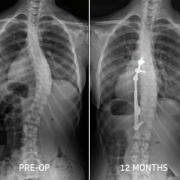
The Future of Scoliosis Surgery

Why Motion Preservation Matters

For decades, the standard surgical treatment for scoliosis has been spinal fusion surgery. Fusion has helped thousands of patients by stabilizing the spine and preventing curves from worsening. It remains one of the most reliable tools surgeons have for treating severe scoliosis.

But as pediatric spine care evolves, many physicians and researchers are asking an important question:

Can we treat scoliosis while preserving more natural spinal motion?

The answer may define the future of adolescent idiopathic scoliosis treatment.

The Challenge with Traditional Spinal Fusion

Spinal fusion works by permanently joining segments of the spine together using rods, screws, and bone graft. Over time, the fused vertebrae grow into a single solid structure.

The goal is straightforward: Stop the curve from progressing and restore spinal alignment.

For many patients with large curves, fusion remains the most appropriate treatment. However, fusion also comes with an unavoidable tradeoff, loss of motion in the fused portion of the spine.

For most patients, this loss of mobility does not significantly impact everyday life. Teens who undergo fusion often return to school, sports, and active lifestyles. Still, the idea of permanently eliminating motion in part of a young person’s spine has led surgeons to explore alternatives to spinal fusion for scoliosis.

Why Motion Preservation Is Important

The human spine is designed to move. Every time we bend, twist, run, or jump, multiple segments of the spine work together to distribute forces and maintain balance. When segments of the spine are fused, that movement no longer occurs in the treated area. Instead, adjacent levels take on additional mechanical stress. Preserving natural motion, especially in athletes or high activity patients, has become an increasingly important goal in scoliosis care.

Motion-preserving approaches aim to:

  • Maintain spinal flexibility.
  • Preserve natural biomechanics.
  • Reduce long-term stress on adjacent spinal segments.
  • Allow patients to maintain full physical activity.

These goals have fueled interest in non-fusion alternatives to scoliosis surgery.

The Rise of Motion-Preserving Scoliosis Treatments

Over the past decade, new surgical techniques have begun to challenge the idea that fusion is the only option for correcting scoliosis curves. These approaches fall under the broader category of scoliosis surgery alternatives, which aim to correct or control the spinal curve while preserving mobility. One widely discussed comparison in the field today is vertebral body tethering vs spinal fusion.

In motion-preserving techniques like vertebral body tethering, the spine is guided into a more balanced alignment using tension rather than rigid fixation. As the child grows, the tether helps modulate spinal growth and gradually improve the curve. Instead of locking the spine in place, the goal is to guide the spine while allowing it to remain mobile. This represents a fundamental shift in thinking about scoliosis treatment.

A Changing Philosophy in Pediatric Spine Surgery

Historically, the primary objective of scoliosis surgery was to stop curve progression. Today, surgeons are increasingly thinking about long-term spinal function, not just curve correction.

This shift mirrors trends seen in many areas of orthopedics.

For example:

  • Joint replacement has evolved toward bone-preserving techniques.
  • Sports medicine emphasizes restoring natural biomechanics.
  • Pediatric orthopedics prioritizes growth-friendly treatments.

In scoliosis care, this philosophy is leading to growing interest in motion-preserving solutions.

The Importance of Patient Selection

While motion-preserving treatments are exciting, they are also not appropriate for every patient.

Factors that influence whether a patient may qualify for non-fusion scoliosis surgery include:

  • Curve size and flexibility
  • Remaining skeletal growth
  • Curve pattern and location
  • Overall spinal balance

Some curves, particularly large or rigid ones, are still best treated with spinal fusion surgery for scoliosis. The goal is not to replace fusion entirely, but to expand the range of scoliosis treatment options available to patients.

What the Future May Look Like

The future of scoliosis surgery will likely involve a broader spectrum of treatment approaches.

Rather than a single solution, physicians may increasingly tailor treatment based on the patient’s age, growth potential, and curve characteristics.

Possible directions for the future include:

  • More refined motion-preserving implant technology.
  • Advanced biomechanical modeling to personalize treatment.
  • Earlier intervention strategies designed to prevent severe curves.

As research continues, surgeons will gain a better understanding of which treatments provide the best long-term outcomes.

Expanding Options for Families

For families navigating adolescent idiopathic scoliosis treatment, the most important takeaway is that scoliosis care continues to evolve.

Spinal fusion remains the most common and most studied treatment option for many patients. At the same time, ongoing innovation is creating new possibilities that may preserve motion while still correcting spinal deformity.

Ultimately, the future of scoliosis treatment may not be defined by a single procedure, but by the ability to match the right treatment to the right patient at the right time. For young patients facing decades of activity ahead, preserving spinal motion whenever possible may play an increasingly important role in shaping the next generation of scoliosis care.

https://family.opsb.com/wp-content/uploads/sites/2/2026/03/Screenshot-2026-03-18-071906.png 438 452 mhoff /wp-content/uploads/sites/2/2026/03/family-resource-hub-logo.png mhoff2026-05-20 21:08:432026-05-21 14:52:33The Future of Scoliosis Surgery

Does My Child Need Scoliosis Surgery: A Guide for Parents

Learning that your child has adolescent idiopathic scoliosis can be overwhelming. Many parents immediately worry about whether surgery will be necessary and what that might mean for their child’s future.

The good news is that most children with scoliosis never need surgery. Many curves can be monitored or treated with bracing. When surgery is recommended, it is typically because the curve has reached a level where it is likely to continue progressing.

Understanding adolescent idiopathic scoliosis treatment and the factors that guide surgical decisions can help families feel more confident as they explore the best scoliosis treatment options for their child.

For a deeper explanation of the condition itself, see our page on adolescent idiopathic scoliosis.

Understanding Adolescent Idiopathic Scoliosis

Adolescent idiopathic scoliosis (AIS) is the most common type of scoliosis and typically appears in children between ages 10 and 18.

In AIS, the spine curves sideways and may also rotate, forming an “S” or “C” shaped curve instead of remaining straight. The exact cause is unknown, but the condition often appears during periods of rapid growth.

Doctors measure the curve using the Cobb angle, which helps determine the most appropriate treatment plan.

When is surgery considered?

Surgery is usually considered when a spinal curve approaches 45–50 degrees or continues progressing despite non-surgical treatment.

At this stage, physicians may discuss surgical options to prevent the curve from worsening and to maintain long-term spinal balance. The goal of surgery is not only to correct the curve, but also to prevent future progression as the child grows.

What scoliosis treatment options exist for teens?

Treatment for AIS typically falls into four categories:

Observation
Small curves are monitored regularly to ensure they are not progressing.

Bracing
Bracing may be recommended for moderate curves in children who are still growing.

Non-Fusion Surgery

Some patients may qualify for the exploration of a non-fusion alternative to spinal fusion. These treatment options include growth modulation options like ApiFix as well as tether-based techniques such as Vertebral Body Tethering (VBT).

Posterior Spinal Fusion Surgery
Full fusion surgery may be considered when curves become larger or continue progressing despite bracing. This is a proven pathway to stabilize the spine and prevent further progression or complications.

Understanding the full range of scoliosis treatment options for teens helps families and physicians choose the most appropriate approach.

What is the most common fear parents have about surgery?

One of the most common fears parents have is that surgery will permanently limit their child’s mobility or quality of life.

Many families worry about:

  • Pain after surgery
  • Long-term limitations in sports or activity
  • The safety of spine surgery
  • Whether surgery is truly necessary

While these concerns are understandable, most adolescents recover well and return to normal activities after treatment.

Common questions during their first surgical consultation?

During the first consultation, parents often ask questions such as:

  • Does my child need scoliosis surgery now?
  • Are there alternatives to surgery?
  • What are the risks of waiting?
  • How much correction can be achieved?
  • What will recovery look like?

These conversations help families better understand the available scoliosis treatment options and the reasoning behind medical recommendations.

Many parents assume that surgery is recommended too quickly but this is typically not the case. Pediatric orthopedic providers generally evaluate curves very carefully over time before recommending surgery. Treatment decisions are based on several factors, not just curve size. These include progression rate, remaining growth, spinal balance, and overall health.

Understanding these factors can help families feel more confident about the treatment plan.

What are the most important factors parents should consider?

When evaluating adolescent idiopathic scoliosis treatment, physicians typically consider:

  • Cobb angle measurement
  • Rate of curve progression
  • Remaining skeletal growth
  • Curve location and flexibility
  • The child’s overall spinal balance

These factors help determine the safest and most effective scoliosis treatment plan.

How urgent are most surgical decisions?

In most cases, scoliosis surgery decisions are not immediate emergencies.

Families usually have time to:

  • Understand the diagnosis.
  • Explore treatment options.
  • Seek a second opinion if desired.
  • Discuss expectations and outcomes with their surgeon.

Taking time to gather information can help families feel more confident about their decision.

How can parents know they’re making the right choice?

Parents can feel more confident in their decision by:

  • Consulting with an experienced pediatric spine specialist
  • Asking detailed questions about treatment options
  • Understanding the risks and benefits of each approach
  • Ensuring the treatment plan aligns with their child’s specific condition.

The best scoliosis treatment plan is always one that is tailored to the individual patient.

What are the realistic risks of scoliosis surgery?

Like any surgical procedure, scoliosis surgery carries potential risks. These may include:

  • Infection
  • Bleeding
  • Implant-related complications
  • Need for additional procedures.

Fortunately, advances in surgical techniques and neuromonitoring have made scoliosis surgery significantly safer over the past several decades.

How often do patients return to normal activity?

The majority of AIS patients return to normal life within a few weeks after scoliosis surgery.

Many patients resume:

  • School activities
  • Recreational exercise
  • Competitive sports

Recovery timelines vary, but most teens gradually return to full activity once healing is complete.

What does the hospital stay typically look like?

Most patients stay in the hospital for several days after surgery. During this time, medical teams monitor recovery, manage pain, and help patients begin moving safely.

Early mobilization is often encouraged to support healing.

How long is recovery? What about school and sports?

Recovery timelines vary, but many adolescents follow a general pattern:

  • Hospital stay: about 3–5 days
  • Return to school: approximately 3–4 weeks
  • Light physical activity: several weeks after surgery
  • Full recovery: several months

Your surgeon will provide detailed guidance based on the specific procedure performed.

Many teens return to school within three to four weeks, depending on their recovery progress and comfort level. Schools can often accommodate temporary activity restrictions during the recovery period.

Return to sports depends on the surgical approach and the patient’s healing progress. Some activities may be resumed gradually within a few months, while full athletic participation may take longer. Surgeons guide families through a safe timeline for returning to physical activity.

https://family.opsb.com/wp-content/uploads/sites/2/2026/03/Screenshot-2026-03-18-074106.png 648 878 mhoff /wp-content/uploads/sites/2/2026/03/family-resource-hub-logo.png mhoff2026-05-20 21:08:152026-05-20 21:08:17Does My Child Need Scoliosis Surgery: A Guide for Parents

Spinal Fusion vs Non-Fusion Scoliosis Surgery Understanding the Differences

When scoliosis progresses beyond the point where bracing can control the curve, surgeons may recommend surgery. For decades, spinal fusion surgery for scoliosis has been the standard treatment for larger curves.

Today, however, some patients may qualify for non-fusion scoliosis surgery, which aims to correct the spinal curve while preserving motion in the spine.

Understanding the differences between spinal fusion and alternatives to spinal fusion for scoliosis can help families make informed decisions about treatment.

How would you explain spinal fusion to a parent?

Spinal fusion surgery for scoliosis is a procedure designed to straighten and stabilize the spine by permanently joining certain vertebrae together. This prevents further progression of the diagnosis.

During the surgery, surgeons place rods and screws along the curved portion of the spine to stabilize the spine in a more balanced alignment. Bone graft material is then used to encourage the affected vertebrae to grow together into one solid segment over time. Once healing occurs, that section of the spine no longer moves independently, which prevents the curve from worsening.

This approach has been used for decades and remains one of the most reliable treatments for severe scoliosis.

What are the primary goals of fusion surgery?

The primary goals of scoliosis fusion surgery are to:

  • Stop the curve from progressing.
  • Improve spinal alignment and posture.
  • Reduce deformity caused by the curvature.
  • Maintain long-term spinal balance.

For many patients with larger curves, fusion can provide durable correction and prevent the curve from worsening later in life.

What are the long-term limitations of fusion?

It is well known and proven that posterior spinal fusion surgery can effectively stabilize the spine, but it does eliminate motion in the fused segment.

Potential long-term considerations include:

  • Reduced flexibility in the fused portion of the spine.
  • Increased mechanical stress on nearby segments over time.
  • Permanent loss of motion in the treated area.

Most adolescents adapt very well after surgery, but preserving motion is one reason why surgeons may explore scoliosis surgery alternatives in certain patients.

How does fusion impact spinal mobility?

The amount of mobility affected depends on how many vertebrae are fused and where the curve is located. Fusion in the upper thoracic spine may have minimal impact on daily activities, while fusion extending into the lower lumbar spine may affect bending and twisting more noticeably.

Even so, many patients who undergo spinal fusion surgery for scoliosis return to sports and active lifestyles once healing is complete.

What is non-fusion scoliosis surgery?

Non fusion scoliosis surgery refers to techniques designed to correct or control spinal curvature without permanently fusing the vertebrae together. Instead of eliminating motion, these approaches aim to guide spinal growth or apply controlled forces to gradually straighten the spine while preserving flexibility.

For some adolescents, these procedures represent one of the most promising alternatives to spinal fusion for scoliosis.

How does it differ biomechanically from fusion?

The key difference is how the spine is stabilized.

In fusion surgery, the vertebrae are permanently joined together, eliminating motion in that segment.

In contrast, non-fusion techniques apply an internal brace philosophy or tension which has the potential to preserve mobility. The goal is to control the curve while maintaining natural spinal movement.

How does motion preservation impact long-term outcomes?

Preserving motion may offer several potential advantages:

  • Maintenance of spinal flexibility.
  • Reduced stress on adjacent spinal segments.
  • Greater range of motion during athletic activities.

Because the spine remains mobile, these scoliosis surgery alternatives aim to maintain more natural biomechanics over time. However, not every patient is an ideal candidate for motion-preserving procedures.

What curves are most appropriate for non-fusion techniques?

Non-fusion approaches are typically considered for patients who meet certain criteria, such as:

  • Moderate curve sizes.
  • Significant growth remaining.
  • Flexible curves that respond well to correction.
  • Specific curve patterns depending on location.

Each patient must be carefully evaluated to determine if non fusion scoliosis surgery is appropriate.

How does recovery differ between fusion and non-fusion surgery?

Recovery timelines can vary depending on the procedure and the individual patient.

After spinal fusion surgery for scoliosis, recovery generally involves:

  • Multi-day hospital stays.
  • Gradual return to school within a few weeks.
  • Full activity over several months.

Non-fusion procedures may sometimes allow earlier mobility and faster return to activity, though recovery protocols vary between surgical techniques.

What about returning to sports?

Most adolescents who undergo scoliosis surgery eventually return to sports and normal physical activity.

However, the timeline may differ with non-fusion.

  • Fusion surgery often requires a longer period of healing before full activity.
  • Motion-preserving procedures may allow earlier return to flexibility-based sports.
  • High impact sports are generally more limited with non-fusion pathways.

These differences are one reason families often explore alternatives to spinal fusion.

Are complication rates different?

Every surgical procedure carries potential risks. The types of risks may differ between fusion and non-fusion approaches.

Fusion surgery has decades of long-term data supporting its safety and effectiveness. Non-fusion procedures are newer and continue to be studied to better understand long-term outcomes.

For this reason, surgeons carefully evaluate which approach is most appropriate for each patient.

What to look for when comparing the two?

When families compare VBT vs Spinal Fusion or other scoliosis surgery options, common questions include:

  • Will my child lose spinal mobility?
  • What will recovery look like?
  • Can they return to sports?
  • What are the long-term outcomes?
  • Is there a way to treat the curve while preserving motion?

These concerns often guide the discussion between families and pediatric spine specialists.

Surgeons may recommend fusion when a curve is very rigid, patient has minimal growth remaining, or the curve pattern is not conducive for non-fusion options. In these situations, spinal fusion surgery for scoliosis remains the most reliable treatment option.

Non-fusion approaches may be considered when:

  • The patient has significant growth remaining.
  • The curve is moderate and flexible.
  • Preserving spinal motion is an important goal.
  • The curve pattern is appropriate for motion-preserving techniques.

Ultimately, the goal is to choose the treatment that provides the safest and most durable outcome for the individual patient.

https://family.opsb.com/wp-content/uploads/sites/2/2026/03/Screenshot-2026-03-18-074238.png 387 467 mhoff /wp-content/uploads/sites/2/2026/03/family-resource-hub-logo.png mhoff2026-05-20 21:07:512026-05-20 21:07:53Spinal Fusion vs Non-Fusion Scoliosis Surgery Understanding the Differences

When Is Surgery Recommended for Scoliosis?

Most children diagnosed with scoliosis will never need surgery. Many curves remain small or can be managed with observation or bracing. However, when the spinal curve continues to grow and reaches certain thresholds, surgeons may begin discussing surgical options to prevent long-term deformity and maintain spinal balance.

Understanding when surgery becomes necessary depends on more than just one measurement. Physicians consider the curve size, how quickly it is progressing, and how much growth a patient has remaining.

When Surgery Is Typically Considered

In adolescents with idiopathic scoliosis, surgery is usually considered when the spinal curve approaches 45–50 degrees or greater on the Cobb angle measurement. Curves at this level have a higher likelihood of continuing to progress, even after growth is complete.

At this stage, physicians often begin discussing spinal fusion surgery for scoliosis or other surgical approaches designed to stabilize the spine and prevent worsening deformity.

The Cobb angle is the standard measurement used to guide scoliosis treatment decisions.

Typical Cobb angle scoliosis treatment thresholds include:

  • 10–25 degrees: monitoring and observation.
  • 25–40 degrees: bracing if growth remains.
  • 40–50 degrees: surgical consultation may begin.
  • 50+ degrees: surgery is often recommended to prevent continued progression.

While these ranges provide general guidance, each patient’s treatment plan is individualized based on additional clinical factors.

How does curve progression rate influence the decision?

The rate of curve progression is one of the most important indicators for surgery. A curve that increases rapidly suggests that the deformity is actively progressing. Fast progression increases the likelihood that the curve will reach severe levels, which is why surgeons may recommend earlier intervention. Even moderate curves may prompt a surgical discussion if they are progressing quickly.

How does remaining growth factor into surgical timing?

Remaining skeletal growth plays a major role in scoliosis treatment decisions. Children who still have significant growth remaining are at higher risk of curve progression. As the spine grows, the curvature can worsen. Most non-fusion spine treatments rely on specific timing as well.

Surgeons often evaluate growth using several indicators:

  • Bone maturity on X-rays
  • Growth plate development
  • Patient age and puberty stage

When large curves occur in patients with substantial growth remaining, surgery may be recommended sooner to prevent severe deformity.

Bracing vs Surgery

Bracing is designed to slow or stop curve progression during growth, essentially buying time until skeletal maturity.

Bracing may become less effective when:

  • The curve progresses beyond 40 degrees.
  • The patient is nearing skeletal maturity.
  • The curve continues to worsen despite consistent brace compliance.

At this stage, physicians may begin discussing surgical options.

In certain situations, surgery may be recommended even if the curve is below traditional thresholds. Each case is evaluated individually to determine the safest and most effective scoliosis treatment.

Examples may include:

  • Rapidly progressing curves
  • Curves causing significant spinal imbalance.
  • Curves unlikely to respond to bracing.
  • Patients with significant remaining growth and worsening deformity

Common Misconceptions

One common misconception is that surgery is recommended solely based on curve size. In reality, physicians consider many factors including progression rate, growth remaining, and the patient’s overall spinal alignment.

Another misunderstanding is that surgery is recommended too quickly. In most cases, surgeons attempt observation or bracing first whenever appropriate.

What are the risks of delaying surgery?

In some cases, families delay surgical evaluation hoping the curve will stabilize on its own.

However, large curves can continue progressing, even after growth ends. Delaying treatment may allow the deformity to become more severe, which can make surgery more complex and reduce the amount of correction achievable.

Early consultation with a spine specialist helps families understand the safest timing for treatment.

Is surgery always inevitable for curves above a certain degree?

Not always. While curves above 50 degrees often continue progressing and frequently lead to scoliosis fusion surgery, each patient’s case is unique.

Some curves stabilize, and new treatment approaches may offer additional options depending on the patient’s age, growth remaining, and curve characteristics.

Are there patients who are not good candidates for surgery?

Some patients may not be ideal candidates for surgery, particularly if:

  • The curve is small and stable.
  • Growth is complete and the curve is unlikely to progress.
  • The patient has medical conditions or requirements that increase surgical risk.

In these cases, monitoring or non-surgical management may remain the best option.

What factors determine if you qualify for non-fusion options?

Some adolescents may qualify for non-fusion scoliosis treatments, depending on several factors such as:

  • Curve size and flexibility
  • Remaining skeletal growth
  • Location of the spinal curve
  • Overall spinal balance

These treatments aim to correct or control the curve while preserving spinal motion. Options such as ApiFix or Vertebral Body Tethering are growing in popularity for specific qualified scoliosis patients.

https://family.opsb.com/wp-content/uploads/sites/2/2026/03/11.png 615 974 mhoff /wp-content/uploads/sites/2/2026/03/family-resource-hub-logo.png mhoff2026-05-20 21:07:062026-05-20 21:07:08When Is Surgery Recommended for Scoliosis?

Stelios’s Cranial Helmet Journey for Plagiocephaly

Hearing that your baby might need a cranial helmet can stop you in your tracks. That’s what happened to Melissa Hernandez when a normal appointment for her son, Stelios, took an unexpected turn. What followed was a series of visits, a new routine at home, and a slow but steady shift from stress to confidence as she saw real changes.

Melissa’s story is simple, personal, and reassuring because it shows what the early days can look like, what the daily care involves, and how progress can build over time.

A routine 3-month checkup that set everything in motion

Melissa describes it as a routine checkup, the kind of visit most parents walk into without a second thought. During Stelios’s 3-month appointment, their doctor noticed the shape of his head and recommended seeing a specialist.

After the pediatrician’s recommendation, Melissa took the next step and met with a specialist. That visit brought another layer to the plan: the specialist recommended physical therapy.

Melissa’s story can illuminate a pattern that many parents recognize, one appointment leads to another, and each one gives a clearer picture of what your baby needs.

From specialist visit to physical therapy

The specialist recommended physical therapy, which became part of Stelios’s early care plan.

Melissa’s path, as she tells it, followed a clear sequence:

  • A doctor noticed Stelios’s head shape during the 3-month appointment.
  • A specialist visit followed, and physical therapy was recommended.
  • After further checks, the conversation shifted toward a cranial helmet.

For Melissa, the recommendation came after evaluation and follow-up, each step helped confirm what came next.

The neurology appointment and the helmet recommendation

After Stelios completed the checks Melissa mentions, a neurology specialist who recommended a helmet.

A helmet brings changes routines, it can bring attention in public, and it can bring up a lot of emotions at once.

Melissa moved forward and connected with OP Specialty Bracing (OPSB), where Stelios would be fitted for his cranial helmet.

Getting fitted for Stelios’s cranial helmet

Once the helmet became the plan, Melissa and Stelios went in for a fitting. She says they saw a clinician at OPSB who completed measurements, and a couple weeks later the helmet was ready.

The first days at home

Then came the part no one can fully prepare for until it happens, bringing the helmet home and putting it into daily life.

In the beginning, Melissa says it was tough. Stelios didn’t seem to like it at first. New sensations can be hard for a baby, and that adjustment period can be hard on parents too.

The tough early weeks and the shift to “normal”

Melissa doesn’t sugarcoat the beginning. She says, “It was tough in the beginning.” The truth of starting something new with your baby.

At first, Stelios didn’t like wearing the helmet. Melissa could tell it bothered him. Over time, though, she watched him adapt to it. At one point the helmet stopped feeling like a constant disruption and started feeling like part of the day.

Stelios’s adjustment: from dislike to acceptance

She explains that now Stelios doesn’t seem bothered by the helmet at all. Sometimes, he doesn’t even seem to notice it’s on. For a parent, that kind of adjustment can bring real relief.

Instead of watching for signs of discomfort every second, Melissa could focus on the routine and the progress. The helmet became less of a big event and more like something the becomes part of your care routine, like a diaper change or getting dressed.

The day-to-day work: helmet-free time, cleaning, and upkeep

While Stelios adjusted, Melissa had her own learning curve. The part she found hardest wasn’t only getting him used to the helmet. It was everything that came with it.

She mentions three main parts of helmet care:

Part of the routineWhat Melissa focused on
Helmet-free timeMaking sure Stelios got breaks without the helmet
CleaningKeeping the helmet clean and doing it the right way
Monitoring day to dayPaying attention to how things looked and felt

Melissa describes the maintenance as tough at first, then easier with time. The first days feel can feel slow and uncertain, but the repetition builds confidence.

What kept Melissa moving through the hard part was the reason she started, the outcome. She says the result is what matters because his head shape moves toward what it’s supposed to be.

“It’s tough at first, but it gets easier in the end, because the result is what really matters.”

Support from a clinician made the process feel manageable

A treatment plan can sound fine in the doctors office and still feel overwhelming at home. Melissa highlights one thing that helped her stay steady, direct support from her clinician.

She says she emailed their clinician when issues came up, and the clinician was very helpful throughout the process. That ongoing contact mattered because questions don’t arrive on a schedule. They show up when you take the helmet off and notice a mark, when your baby’s skin looks irritated, or when you wonder if you’re cleaning the helmet the right way.

Melissa mentions two specific concerns that came up for her:

  • Rashes on Stelios’s face
  • Questions about how to clean the helmet properly
Quick answers, clear explanations, and reassurance when things popped up

Melissa describes her clinician as very thorough. When Melissa emailed, the clinician explained everything in a clear way, directly in the email.

That kind of support is two-fold because it solves the immediate problem, like what to do when a rash appears and also lowers the background stress. Once you’ve had one concern handled well, you trust that you can handle the next one too.

Melissa’s story shows that helmet treatment is not only about the helmet itself. It’s also about the people around the family, and how communication can change the experience from isolating to supported.

Seeing progress one day at a time

Even when you’re committed to a plan, it’s hard to stay patient if you can’t see change. Melissa explains why things started to feel easier as time went on, she could see progress.

She says it’s not easy in the beginning, but it gets easier throughout the time because you can see the progress too.

The moment that made it feel real

Melissa shares a detail that paints a clear picture: she noticed changes when she took the helmet off to shave Stelios’s head. In that moment, she could see his head shape more clearly, and she says it looked so much better.

That’s the kind of turning point parents remember. Not a big announcement, not a dramatic before-and-after reveal, just a normal day where you suddenly realize, this is working.

Those small moments can carry a lot of weight. They make the cleaning feel worth it. They make the helmeting feel like part of a larger plan, not just another task. They also give you energy to keep going when the routine still feels demanding.

Why the routine got easier over time

Melissa comes back to the same theme more than once: it starts hard, then it gets easier.

It got easier because Stelios adjusted and didn’t seem bothered by the helmet anymore. It also got easier because Melissa gained confidence in the care routine and because the results became visible.

She describes the goal in plain words, his head shape moved toward what it’s supposed to be. That sentence holds the heart of her experience. The helmet wasn’t about perfection, it was about improvement, and she saw that improvement with her own eyes.

Closing thoughts for parents starting a cranial helmet journey

Melissa Hernandez’s story with Stelios shows a full arc, from a surprising recommendation at a 3-month visit, to appointments and fittings, to the tough early days, and finally to visible progress. The helmet didn’t feel easy at first, but over time it became normal for Stelios and manageable for Melissa. Seeing progress made the effort feel worth it.

Disclaimer:

OPSB products and products distributed by OrthoPediatrics Corp. and its subsidiaries should be used under the guidance of a qualified healthcare professional. Please consult your pediatrician or orthopedic specialist for professional advice. This content is for informational purposes only and does not constitute medical advice. Always follow your doctor’s recommendations and instructions.

MAM-MM-189

https://family.opsb.com/wp-content/uploads/sites/2/2026/05/08_Melissa-testimonial.00_01_59_19.Still001.jpg 1080 1920 mhoff /wp-content/uploads/sites/2/2026/03/family-resource-hub-logo.png mhoff2026-05-12 16:56:062026-05-12 16:56:10Stelios’s Cranial Helmet Journey for Plagiocephaly

Patrick’s Cranial Helmet Journey

When your baby keeps turning their head the same way, it can feel like a tiny detail you’re not sure you should worry about. For Brianna, that “tiny detail” showed up early, and it came with a second clue: a flat spot that seemed to be getting more noticeable. This is Patrick’s cranial helmet story, from the first signs at around one month old to the relief that came with a clear plan and the right support.

Noticing a head-turning preference and a flat spot

Brianna first noticed something when Patrick was about a month old. He had a clear head-turning preference. In day-to-day moments, he wasn’t looking both ways with the same ease. Instead, he mostly looked to the right.

At first, it can be hard to tell what’s normal and what’s a pattern. Babies have quirks, and parents get a lot of “they’ll grow out of it” messages. Still, Brianna kept watching. Over time, that right-side preference lined up with a change in his head shape. A flat spot showed up on the right side, and it didn’t feel like a coincidence.

Here are the signs she noticed:

  • Head turning preference: Patrick really just looked to the right most of the time.
  • A developing flat spot: A flatter area appeared on the right side of his head.

That mix of “I’m noticing this again” and “something looks different” can stir up a lot at once. It’s concern, but it’s also pressure. Parents often wonder if they missed something earlier, or if they should’ve done something differently. For Brianna, paying attention early mattered, because it helped her take action before the worry had time to grow.

The important part of her story is not perfection. It’s awareness. She noticed a pattern, trusted what she saw, and kept moving forward until she had answers.

Getting help early: Physical therapy, pediatrician, and a referral

Once Brianna saw both the head-turning preference and the flat spot, she didn’t try to figure it out alone. She coordinated care with people who could help. That team approach made the next steps clearer and less scary.

She worked with Patrick’s physical therapist and their pediatrician. Together, they talked through what she was seeing and what it could mean. From there, they referred Patrick to the helmet clinic at Boston Children’s Hospital.

That referral matters, because it turns a vague concern into a real plan. It also helps parents stop guessing. Instead of watching and worrying, you get to ask direct questions and hear options from people who see these cases often.

Brianna describes that step in a simple way, and it carries a lot of weight: she coordinated with their physical therapist and pediatrician, and they referred them to the helmet clinic. When you’re already tired, already adjusting to life with a baby, that simple connection can bring a wave of relief.

Even if you feel unsure at the start, getting connected to the right clinic can bring structure to the process. In Patrick’s case, it led to a detailed evaluation. More importantly, it helped Brianna feel like she wasn’t carrying the decision alone. She had a team, and she had a path forward.

What a cranial helmet evaluation can look like

Walking into a helmet evaluation can bring a mix of hope and nerves. Parents want help, but they also want to know their baby will be handled with care. Brianna’s experience at the OP Specialty Bracing Clinic stood out for one clear reason: it felt thorough.

She describes the evaluation as “great,” and she highlights how detailed it was. The clinic didn’t rely on just one method or a quick glance. Instead, they used more than one way to understand Patrick’s head shape and needs.

The clinic took measurements in two ways:

  • Manual measurements: Hands-on measuring that checks head shape and symmetry.
  • Measurements with a scanner: A scan that captures detailed shape data.

That combination helped Brianna feel confident. It’s one thing to hear, “A helmet could help.” It’s another thing to see a careful process that supports the recommendation. With both manual and scanner measurements, the plan didn’t feel like a guess. It felt grounded in real information about Patrick.

After the evaluation, she felt good about the plan going forward. That confidence is not a small outcome. When you’re making a choice for your baby, you want to feel like you understand what’s happening and why.

For Brianna, the evaluation built trust. It also gave her something many parents crave in the middle of uncertainty: a clear next step. Once you have that, the emotions don’t vanish, but they get easier to manage.

Working through mom guilt and finding reassurance

Why the guilt shows up so fast

Even when a helmet is presented as a helpful tool, emotions can hit hard. Brianna speaks plainly about the shame and guilt she felt at first. Those feelings didn’t come from anything anyone said to her. They came from a place many parents know well: the thoughts that you are to blame.

She remembers thinking she must’ve done something wrong. The question behind the worry was simple and painful: why wasn’t Patrick’s head growing the way it “normally should”?

Brianna also offers the reminder she needed to hear: there’s no shame in your baby needing a helmet. Feeling guilt doesn’t mean you did anything wrong. It often means you care deeply and you want the best for your child.

At the start, it can help to hold one simple truth close: a helmet isn’t a sign of failure. It’s a form of support. And support is what parents seek when something doesn’t feel quite right.

How the right team changes the story

For Brianna, support came from conversations. As she talked things through with the team at Children’s, with Patrick’s therapists and her care team at OP Specialty Bracing, her perspective shifted. Instead of seeing the helmet as a label, she started to see it as help.

That change mattered, because it replaced self-blame with purpose. The helmet wasn’t about what went wrong. It was about what could go right from here.

One comment from the doctor who referred them stayed with her. It reframed the whole experience:

“Most babies by the time they’re coming out of the helmet miss the helmet when it’s gone.”

Hearing that made her feel better. It paints a picture that many worried parents need. Babies adapt. They settle into routines. What feels huge to an adult often becomes normal to a child who is being cared for.

Over time, Brianna landed on the message she wants other parents to hear: the helmet is only going to help him. It’s not a punishment. It’s not proof you failed. It’s a tool that supports your baby’s growth.

You still might have hard days, but you also have something to help you feel supported: a plan, a team, and a baby who’s being supported through it all.

When you start seeing baby helmets everywhere

After Brianna made the appointment for Patrick, she started noticing helmets all around her.

The day she made the appointment, she went to a coffee shop. There, she saw a couple with their little girl in a helmet. Her reaction was immediate: “Okay, that must be a sign.”

That moment helped her feel less alone. When you’re anxious about a new diagnosis or upcoming treatment plan, feelings of isolation can creep in fast. Seeing other families going through something similar can remind you that many parents face the same concerns and are taking the same steps.

Brianna’s advice for parents considering a helmet

Brianna’s clearest advice is trust your gut. She says nobody knows your baby like you do. That’s not a slogan. It’s a reminder that your day-to-day observations matter.

It also helps to remember what a helmet means in the bigger picture. If it becomes part of your baby’s journey, it’s there to help in the long run. For Brianna, that framing changed everything. It took the focus off fear and put it on support.

If you’re early in the process, her story points to a few steady steps:

  1. Observe early signs: Notice patterns like a strong head-turning preference or a flat spot.
  2. Seek help promptly: Talk with your pediatrician and, if involved, your physical therapist.
  3. Accept support without self-blame: A helmet can be one more tool to help your baby grow.

Her final reassurance is the one many parents need most: there’s nothing you did wrong. You didn’t fail. Sometimes babies need extra support, and you are doing everything right by getting it for them.

A final word for parents

Brianna’s story is honest because it holds two truths at once: the worry is real, and the hope is real too. She noticed something early, asked for help, and found comfort in a plan that made sense. Along the way, she learned that feeling guilt doesn’t mean guilt belongs.

If you are concerned about a flat spot on your baby’s head, and wondering what comes next, keep this close: trust your gut, ask questions, and let the right people support you.

Disclaimer:

OPSB products and products distributed by OrthoPediatrics Corp. and its subsidiaries should be used under the guidance of a qualified healthcare professional. Please consult your pediatrician or orthopedic specialist for professional advice. This content is for informational purposes only and does not constitute medical advice. Always follow your doctor’s recommendations and instructions.

MAM-MM-188

https://family.opsb.com/wp-content/uploads/sites/2/2026/05/Brianna-thumbnail.jpg 1080 1920 mhoff /wp-content/uploads/sites/2/2026/03/family-resource-hub-logo.png mhoff2026-05-12 16:49:282026-05-12 16:49:31Patrick’s Cranial Helmet Journey

Beginning Your Journey With Amputation: A Guide for Parents

Hearing that your child needs an amputation can feel overwhelming. This guide was created with families in mind, to help you navigate your child’s amputation with greater confidence and understanding. It explains:

  • Why an amputation may be necessary
  • What to expect about your child’s amputation journey
  • How early rehabilitation supports healing and growth

Above all, this is a reminder that amputation is only one part of your child’s journey – not the end of their story. With time, care, and the support of family and care teams, your child will go on to live an active, confident and independent life.

Understanding Amputation: Why It Happens and What It Means

Amputation refers to the surgical removal of all or part of a limb (i.e. an arm or leg). Doctors may recommend an amputation when it is the safest or most effective way to treat a medical condition, injury, or infection. Some children may also be born with a limb difference or missing bones that make a limb hard to use. The goal is to support the child’s overall health, function, mobility, and development.

What makes amputation in a child different from amputation in an adult

Children are not just small adults. Their bones, muscles, and joints are still growing, so doctors have to think ahead. Because the reason for needing an amputation as a child may be unique, due to an illness or congenital limb difference, doctors sometimes use different amputation surgeries and strategies in children that allow for better healing and prosthesis fit for a growing child. They are adept at planning ahead for growth and a child’s changing needs.

Preparing for Your Child’s Amputation Surgery

In some cases, you may not be able to prepare for your child’s amputation surgery. However, in many cases the decision to pursue amputation will come after many visits with your trusted medical team. During your time working with the medical team, the surgeon will get to know your child and family, understand your goals, and discuss all available treatment options and anticipated outcomes (both surgical and non-surgical). During these visits, you may also meet other team members who will help with your child’s rehabilitation, such as:

  • Rehabilitation Physician, or PM&R doctor, who focuses on rehabilitative needs, including therapies, equipment, and functional rehabilitation
  • Physical Therapists and Occupational Therapists who help support your child’s rehabilitation to recover mobility, function, independence, and strength
  • A Prosthetist, who will help with your child’s prosthetic care, getting to know your child’s functional and mobility goals and designing and upkeeping the prosthesis as your child grows
  • Child life specialists, social workers, or psychologists who can help support your child and family’s emotional well-being on this journey.

Be sure to take the time to ask your doctor questions, and bring up any concerns you have about your child’s rehabilitation after amputation. If you are unable to meet with some of the above providers during your doctor’s visits, ask your physician what resources they have, or if they work closely with a care team to be able to speak to a prosthetist, PMR doctor, and therapists.

Your doctor should be able to provide specific details about your child’s surgery and recovery.

Please see this article for more information on questions to ask your child’s providers.

Helping your child get ready: talking about surgery in a kid-friendly way

Children often cope better when they know what to expect. Your words don’t have to be perfect – simple and honest is best.

For younger children, using dolls, stuffed animals, or simple drawings to show or demonstrate what is happening can help your child cope and prepare. A child life specialist or social worker with your medical team may be able to help provide age-appropriate support to help your child best prepare emotionally for this big change.  

For school-age children and teens, offering a little more detail can be helpful. Encourage them to ask questions and use clear, direct words like “amputation” and “surgery”. It can also be reassuring to talk about activities they can return to doing once they’ve healed, what the healing process can look like, and introduce them to different members of the team so they can start to build relationships with their care team.

If your hospital has child life specialists, consider asking them to meet with your child. They often have books, pictures, dolls, and activities to help explain medical care in a way children can better understand to better prepare your child emotionally for medical procedures.

What to expect right after surgery

Your physician should discuss all of the details of your child’s surgery and recovery. It’s important to ask the doctors any questions you may have about the process, including:

  • What the hospital stay may look like before and after surgery
  • Details of the surgery procedure, how long it will take, and any risks that may be involved
  • What the physical or occupational therapy will look like in the hospital after the surgery
  • If your child will go home with a wheelchair, walker, or crutches, and how they will be trained on those support tools
  • What home accommodations your child may need after the amputation (a ramp for a wheelchair, additional bars or supports in the bathroom, extra supervision on stairs, etc.)
  • What kind of bandaging, covers/shrinkers, casts, or protectors your child will be wearing after surgery
  • When to follow-up with your doctor and what the post-operative plan may look like

While in the hospital, your child may see a physical or occupational therapy team to make sure they are safe and comfortable with mobility given their new amputation. This may include learning to use a walker, crutches, or wheelchair to safely move after their surgery. Preventing falls after surgery is very important to ensure your child’s wound heals properly without further injury.

Your child may go home with special bandaging, covers/shrinkers, or protectors on their limb. Be sure the medical team provides you with instructions on when to wear these covers, how often they should be changed, and gives you the opportunity to practice care before you go home from the hospital.

The medical team will make sure your family is comfortable with all of your child’s surgery after-care and the follow-up plan.

Some pain after surgery is normal, but it should be controlled. Call your child’s care team or seek medical care right away if you notice:

  • Fever or chills
  • Increasing redness around the incision
  • Abnormal or excessive heat coming from the limb
  • A bad smell or yellow/green drainage from the wound
  • Very sharp pains

Trust your gut. If something doesn’t feel right, it is always okay to call and ask for help.

Early Recovery and Rehabilitation: Helping Your Child Heal and Move Again

Once you go home, the focus will be on healing and settling back into daily life. The first few weeks are usually centered on caring for the incision, gentle movement, and slowly rebuilding strength. Be sure to follow the instructions from your doctor on any movement, incision care, and therapies.

Therapy often starts in the hospital and continues after discharge, either through outpatient visits or in your home. Progress may happen in small but important steps – it is important to follow the instructions of your therapist so your child can progress safely through their rehabilitation to prevent injury and continue their safe healing journey.

Caring for the residual limb at home

The part of the arm or leg that remains after surgery is often called the residual limb. Taking good care of this area each day helps lower the risk of infection and skin problems. Here are some general tips for residual limb care, however always follow your surgeon’s instructions if they differ:

  • Keep the skin clean and dry
  • Ask your doctor and therapist about scar mobilization to prevent adherent scars
  • Check the skin every day for redness, blisters, or spots that look irritated
  • Encourage your child to help check their limb so they can begin building healthy habits

Understanding phantom limb sensations and pain in children

Some children may notice sensations that feel like they are coming from the part of the arm or leg that is missing. This is called phantom limb sensation. Children may describe feelings such as tingling, warmth, itching, cramping, or movement in a hand or foot that is no longer there. This occurs less in children with amputations, but it can still happen.

Sometimes these sensations are painful. This is known as phantom limb pain. It is very real and can be upsetting, especially if a child does not understand why it is happening. Depending on your child’s phantom limb sensation or pain, your care team may suggest interventions such as gentle massage, desensitization therapies, mirror therapy, or other treatments.

Keeping a simple record of when phantom pain happens and what helps can be very useful. Sharing this information with your child’s care team allows them to better support your child.

Physical and occupational therapy: building strength, balance, and confidence

Physical and occupational therapy are often where many children begin to build strength, confidence, and independence. This can begin even before your child receives a prosthesis.

In physical therapy (PT), your child may:

  • Do gentle stretches to help protect joints
  • Build strength in their core and limbs
  • Work on balance
  • Learn to move using tools like a walker, crutches, wheelchair, or a prosthesis

In occupational therapy (OT), your child may:

  • Practice daily activities such as dressing, bathing, and using the bathroom in new ways
  • Learn how to use adaptive tools for tasks like writing or eating
  • Work on play skills and school-related activities

Many parents find it helpful to watch therapy sessions. This can make it easier to support exercises at home. Rather than trying to remember everything, ask the therapists to show you two or three key activities to practice between visits or provide a print out of exercises you can do at home. Your therapy team will work closely with your prosthetist team to ensure your child is successful with their rehabilitation and recovery goals.

Prosthesis Fitting

Once your child’s limb has healed and your physician has deemed it safe for them to wear a prosthesis, you will meet with a prosthetist team to begin the process of being measured for a prosthesis. This may take a number of visits, including evaluation appointments, casting sessions, and practice fittings before the prosthesis is ready to come home with your child. Your prosthetist will work with your family, the physician team, and the therapy team to ensure the prosthesis is appropriate for your child, and can help your child regain functional mobility and meet their goals. They may even join you at sessions of physical therapy to help adjust and optimize the prosthesis.

Your child’s prosthetic goals may change over time, especially as their limb changes and heals after surgery, and as they get stronger. Their activities and interests may change over time as they grow. A pediatric prosthetist will ensure that your child’s prosthesis can adapt and change to their growing body and changing needs. Your prosthetist will also ensure that the prosthesis is still fitting your child as they grow, and may replace parts or measure for a new prosthesis as your child grows and changes. It is important to regularly follow-up with your child’s prosthetist team so they can be successful and safe with their prosthesis.

Disclaimer:

OPSB products and products distributed by OrthoPediatrics Corp. should be used under the guidance of qualified healthcare professional. Individual results may vary. Please consult your pediatrician or orthopedic specialist for professional advice, including intended use, warnings, precautions, side effects and contraindications. This article is for informational purposes only and does not constitute medical advice. Always follow your doctor’s recommendations and instructions.

MAM-MM-177

/wp-content/uploads/sites/2/2026/03/family-resource-hub-logo.png 0 0 mhoff /wp-content/uploads/sites/2/2026/03/family-resource-hub-logo.png mhoff2026-04-17 20:57:302026-04-17 20:57:33Beginning Your Journey With Amputation: A Guide for Parents

Choosing a Prosthetist for Your Child: Why Pediatric Training Matters

A prosthetist is a certified healthcare professional who designs and fits artificial limbs and devices for those with amputation or limb difference. Prosthetists collaborate with the medical team to create treatment plans, design devices, and care for those using a prosthesis to help patients achieve their functional and mobility goals. A prosthetist goes through 3-4 years of training after college to become a certified clinician.

This blog will walk you through a prosthetist’s role in your child’s care, why a pediatric-trained prosthetist matters, and how to choose the right provider for your child.

The Prosthetist’s Role

In simple terms, your prosthetist:

  • Gets to know you and your child
  • Learns about your child’s medical history, activities, and goals
  • Determines appropriate prosthetic device (prosthesis) design
  • Fits and adjusts the prosthesis to help your child achieve their goals
  • Maintains, repairs, and adjusts the prosthesis throughout your child’s growth

The prosthetist is not someone your child will see just once. Over many years, your child will need adjustments to their prosthesis, different componentry, and new devices as they grow, change, and explore new activities. A strong prosthetist-patient relationship is a long-term partnership. The prosthetist works with your child’s family, care team, and school to be successful with their prosthesis.

Pediatric-Trained Prosthetists

As your child grows and changes, so do their prosthetic needs. Socket fit can go from “perfect” to “too tight” in just a few weeks during a growth spurt. Alignment that once worked for a toddler’s short, quick steps may no longer work for a grade-schooler running around at recess. A teen who wants to sprint, dance, or play sports will need different features than a younger child who is learning to balance. Each stage brings new physical demands and new emotional needs.

A pediatric prosthetist has the tools, training, and mindset to keep up with this constant change as your child grows. Pediatric-trained prosthetists use their expertise to support health and independence through prosthetic care as your child grows. They will be able to connect you with resources, such as peer supports and other local medical providers, to make sure your child is successful with their prosthesis.

Pediatric Anatomy & Emotions

Pediatric-trained prosthetists are specifically aware of pediatric conditions and anatomy, and how these differ from adult presentations. They plan socket shapes and padding to protect sensitive areas, check alignment often to avoid strain on your child’s hips, knees, and back, and plan for anticipated growth in all parts of the prosthesis. An ill-fitting prosthesis can put stress on a joint, limit motion in a growing limb, and cause pain that your child may not know how to explain. Over time, this can affect posture, walking pattern, and even spine health.

Kids often play hard and forget to slow down. This can lead to common skin issues such as:

  • Redness that does not fade after the prosthesis comes off
  • Blisters where the socket rubs
  • Pressure points that turn into sore spots

A pediatric-trained prosthetist watches for these warning signs and educates families on what to watch for. They check your child’s skin during visits and choose breathable liners and materials that better handle sweat. During growth spurts, they may plan more frequent checkups since fit can quickly change. Most importantly, they teach families to be the best advocate for their child, knowing what to look out for, so families are empowered and knowledgeable about their child’s prosthesis, care, and follow-up.

 The emotional side of prosthetic care is just as important as the physical side. Kids with limb differences may feel different from their peers, shy about showing their device, and frustrated when something is hard. A pediatric-trained prosthetist understands these challenges and aims to make the prosthetic process fun by using kid-friendly language and inviting your child to make choices. The prosthetist can also help prepare your child for conversations with classmates about their prosthesis and will collaborate with your child’s school team so they can be successful and well-adapted in their school environment. When your child feels proud of their device, they are more likely to wear it, use it well, and join in activities.

Prosthetic Considerations for Each Stage of Childhood

Children use their bodies differently at every age. A toddler tumbles and crawls. A grade-schooler runs, jumps, and plays tag. A teen may be focused on sports, work, or hobbies.

A pediatric-trained prosthetist considers the needs of each age group:

  • Toddlers: Stability, simplicity, and a prosthesis that is easy to put on and take off. The focus is on safety and learning to crawl, stand, cruise, and walk for children with lower limb difference. Sitting balance, crawling, and basic fine motor skills like holding toys are the focus for children with upper limb differences.
  • School-age kids: Stronger materials that handle playgrounds, bikes, and gym class. A prosthesis for a school-aged child should focus on being strong, lightweight, and easy to put on and take off so the child can be independent with their prosthesis at this age.
  • Teens: More advanced feet, knees, or upper limb terminal devices for sports and specialized activities. Teens may want more autonomy in their style and identity, and incorporating these as a focus into the prosthetic treatment plan helps your child be successful with their prosthesis as they transition to early adulthood.

A child who loves soccer may need a foot that helps with quick starts and stops. A teen who plays violin may need an upper-limb device that holds the instrument in a specific way. A pediatric-trained prosthetist matches components to your child’s life rather than a standard activity level label.

Choosing A Pediatric-Trained Prosthetist

Knowing what qualities to look for in your prosthetist will help you be a strong advocate for your child. It is important to inquire about training, certifications, and true pediatric experience. After receiving a master’s degree, prosthetists complete residency and take exams to become board certified. Some prosthetists choose clinics that focus on kids or complete extra pediatric courses. When choosing a pediatric-trained prosthetist, examples of helpful questions include:

  • What ages do you work with most?
  • Do you have extra training in pediatrics?
  • Have you worked with children who have a limb like my child’s?

Your prosthetist should explain choices in plain language and ask what matters most to your family. You should never feel rushed, ignored, or talked down to. Keep in mind that pediatric prosthetic care is a long-term process, not a one-time event. It is important to ask about frequency of follow up appointments, what will happen when your child grows, and what to do if issues arise. Having confidence in your child’s prosthetist team will help facilitate open communication so your child can be successful with their prosthetic care.

With the right team around you, your child can move, play, and grow with confidence. A helpful next step is to write down your top questions, talk with your child’s doctor, and schedule a visit to meet a pediatric-trained prosthetist.

Disclaimer:

OPSB products and products distributed by OrthoPediatrics Corp. should be used under the guidance of qualified healthcare professional. Individual results may vary. Please consult your pediatrician or orthopedic specialist for professional advice, including intended use, warnings, precautions, side effects and contraindications. This article is for informational purposes only and does not constitute medical advice. Always follow your doctor’s recommendations and instructions. 

MAM-MM-175

https://family.opsb.com/wp-content/uploads/sites/2/2026/04/Screenshot-2025-10-29-142130.png 641 1045 mhoff /wp-content/uploads/sites/2/2026/03/family-resource-hub-logo.png mhoff2026-04-17 20:40:392026-04-17 20:40:41Choosing a Prosthetist for Your Child: Why Pediatric Training Matters

Matching Growth & Development Milestones to Prosthesis Design

A Parent’s Guide to Understanding How Prosthetic Needs Change as Children Grow

Children change rapidly as they grow, and when a child uses a prosthesis, those developmental shifts influence far more than just clothing size or shoe fit. Their limb length, strength, coordination, and daily activities evolve throughout childhood, which means their prosthetic needs evolve too. Understanding how prosthesis design adapts to each stage of growth can help parents feel more prepared and confident as their child progresses through important milestones.

Why Growth and Development Shape Prosthetic Design

Childhood growth is dynamic. Unlike adults, children frequently outgrow their sockets, develop new motor skills, explore new physical challenges, and shift their interests as they discover what they enjoy. A prosthesis that fits well and supports these changes can encourage healthy movement, confidence, and participation in daily life. As children grow, prosthetic design needs to adjust—sometimes subtly, sometimes significantly—to match their development and support their abilities.

Infants and Early Toddlers (0–2 Years)

During the earliest stage of life, children are learning how their bodies move and beginning to explore the world around them. Prostheses introduced at this age are focused on helping them become familiar with wearing a device while encouraging early, symmetrical movement, such as crawling, pulling up to stand, and cruising. Comfort and flexibility are the priorities, allowing children to progress through these motor milestones. Devices for this age are typically lightweight, more flexible, and simple so they don’t interfere with crawling, sitting, or early standing. The goal is gentle exposure that supports natural development, and helps the family and child learn the basics of using a prosthesis.

Toddlers (2–4 Years)

As toddlers grow, they become busy explorers who climb, run, and test the limits of their mobility. Their prosthesis must be durable enough to withstand daily bumps while still being light and comfortable enough to encourage steady walking. Because growth is rapid, families can expect more frequent adjustments or new sockets during this period. A well‑designed prosthesis during the toddler years supports balance, stability, and safe exploration, making it easier for children to participate in the kinds of active play that drive their development.

Preschool and Early School Age (4–7 Years)

Children at this age begin building more independence and developing stronger coordination. They are also becoming more aware of their bodies and how they compare to peers. Prosthetic design during this stage focuses on supporting more complex movements like running, jumping, and participating in early sports or recess activities. Many children also enjoy choosing colors or patterns for their device, which gives them a sense of ownership and pride. Prostheses may become more functional in this stage, with components designed to match their growing confidence and mobility.

Middle Childhood (7–12 Years)

Once children reach elementary school, their world expands. They may join sports teams, learn to bike confidently, and take on more physically demanding hobbies. Prosthetic design during this stage often becomes more activity‑focused. Components may be more advanced to support energetic, coordinated movement, and children may use sports or activity-specific devices depending on their interests. Regular check‑ins with a prosthetist become especially important because alignment and fit can shift rapidly as children enter their large growth spurts into adolescence.

Adolescence (12+ Years)

The teenage years bring rapid growth and emotional change. Growth spurts can dramatically alter socket fit in a short period, so more frequent prosthetic appointments are common. Teens may also have more specific preferences related to appearance, technology, or function. Prostheses at this age may incorporate more advanced mechanical or myoelectric components that support the complexity of teenage life, including sports, part‑time jobs, driving, preparing for advanced education, and increased independence. Comfort, performance, and independence become major priorities as teens learn to navigate their evolving bodies and take more ownership of their prosthetic care and independence.

How Often Prostheses Need to Be Updated

While every child’s growth pattern is unique, infants and toddlers often need new sockets every 8-12 months, younger school‑age children may need new devices annually, and older children and teens may go 12–18 months between major replacements. Even so, small adjustments—such as padding changes, alignment tweaks, or minor repairs—may be needed at any time as children grow and increase their activity levels. Even if adjustments are not needed, it’s important to follow-up with your prosthetist for routine maintenance and safety inspections.

Recognizing When Adjustments Are Needed

Parents often notice signs that a prosthesis is no longer fitting well before a child does. Redness that doesn’t fade quickly, new pain, changes in walking pattern or activity involvement, skin irritation, or sudden looseness or tightness are all cues that the device may need attention. Trusting your instincts and reaching out promptly to your prosthetic team helps keep your child comfortable and safe during periods of rapid growth.

Supporting Your Child Through These Changes

As prosthetic needs change, emotions and confidence levels can shift too. Encouraging open conversations about comfort, preferences, and frustrations helps children feel supported. Giving them a voice in choices—like design, color, or activity‑specific devices—can foster independence and self‑expression. Staying connected to your prosthetic team and regularly discussing your child’s goals ensures that each new device continues to support their physical and emotional development.

The Big Picture

Matching prosthetic design to growth and development is an ongoing partnership with your child, family, and their entire care team. Each stage of childhood brings new challenges and new strengths, and a well‑designed prosthesis can support every step, leap, and milestone along the way. With thoughtful adjustments and a collaborative care approach, children can move confidently through their world and into each new stage of life.

Disclaimer:

OPSB products and products distributed by OrthoPediatrics Corp. should be used under the guidance of qualified healthcare professional. Individual results may vary. Please consult your pediatrician or orthopedic specialist for professional advice, including intended use, warnings, precautions, side effects and contraindications. This article is for informational purposes only and does not constitute medical advice. Always follow your doctor’s recommendations and instructions. 

MAM-MM-176

https://family.opsb.com/wp-content/uploads/sites/2/2026/04/Screenshot-2025-10-29-140605.png 844 989 mhoff /wp-content/uploads/sites/2/2026/03/family-resource-hub-logo.png mhoff2026-04-17 20:37:442026-04-17 20:37:46Matching Growth & Development Milestones to Prosthesis Design

I’m Moving — What Do I Do About My Child’s Prosthetic Care?

A Simple, Supportive Guide for Families on the Move

Moving is a big transition for any family. When your child uses a prosthesis, it can feel even more stressful to figure out how to continue their care in a new place. The good news? With a little planning, your child’s prosthetic needs can stay on track wherever you go.

This guide gives you the key steps—clear, simple, and easy to follow.

1. Start With Your Current Care Team

Before you move, reach out to the prosthetist, surgeon, and therapists who already know your child.

Ask for:

  • A brief summary of your child’s current needs
  • Prosthetic records (measurements, design notes, alignment history)
  • Therapy notes and upcoming goals

Doing this early helps your new team hit the ground running.

Your current care team may also have recommendations for providers near your new home. The field of pediatric specialists that work with children with limb loss and limb difference is small.  Your current providers may have suggestions or a connection where you are moving, so don’t hesitate to ask!

2. Find a Pediatric‑Experienced Prosthetist

Not every clinic specializes in children. Look for a provider who understands growth‑related changes and pediatric activity needs.

Helpful questions when calling new clinics:

  • “How many pediatric patients do you treat?”
  • “How quickly can you see us after we move?”
  • “Are you willing to reach out to our old care team to help with my child’s care continuity?”
  • “How do you coordinate with PT/OT?”

Location matters too—kids often need more frequent adjustments than adults. Be sure that where you choose your providers can be easily accessed by your family for your child’s frequent visit needs.

3. Plan for a Smooth Transition

To prevent gaps in care:

  • Schedule a pre‑move prosthetic check.
     Have your current prosthetist check the fit, replace worn parts, perform a safety inspection, and provide extra supplies if appropriate.
  • Schedule an introduction visit with your new care team

Schedule a visit with your new care team shortly after your move. This will help you and your child get introduced to the new care team and build the relationship with your child for their care. It’s important you create a follow-up plan and know how to contact your new clinical care team in case your child needs adjustments or follow-up appointments. Meeting your new care team when it’s not urgent can help transition care smoothly.

  • Know when to seek care quickly.
     Watch for redness, pain, blisters, broken parts, or sudden changes in fit—especially while traveling.

4. Update Insurance Early

Insurance can change when you move, especially across state lines.

Consider:

  • Calling your insurance company before your move
  • Confirming in‑network prosthetic providers
  • Asking about continuity‑of‑care coverage
  • Letting the new clinic know when insurance updates are finalized

Prosthetic offices are typically very helpful with authorization paperwork. Having a case manager or special contact at the insurance company can help with insurance transitions and ensure your new plan will cover your child’s prosthesis.

5. Support Your Child Emotionally

New cities and new clinicians or doctors can feel intimidating.

Try:

  • Showing pictures of the new clinic
  • Simple explanations about meeting their “new helpers”
  • Encouraging them to share questions or worries
  • Touring the clinic if possible

Small reassurances go a long way.

6. Re‑establish Therapy and School Support

Once you arrive:

  • Schedule PT/OT evaluations early
  • Contact your child’s new school nurse, counselor, and teacher
  • Discuss mobility needs, safety, and any 504/IEP requirements
  • Make a plan for PE and recess activities if your child needs accommodations

Good communication makes the return to school smoother. A Limb Difference Clinic or Rehabilitation (PM&R) Physician may help with these transitions and establishing resources for support at your child’s school.

Be sure to connect your new care team to your child’s old providers. This can help facilitate communication and ease the transition between teams so your child has the best supports during this transition.

7. Share What Makes Your Child Unique

Let the new team know:

  • Your child’s hobbies and sports
  • What has worked—or what did not work—with past prostheses and therapies
  • Their preferred colors, themes, or designs

This helps create a prosthetic and care plan that fits not just their body, but their personality.

Remember: You’re Not Starting Over

Moving doesn’t erase your child’s progress—it simply adds a new team to support their journey. With a bit of preparation, your child’s prosthetic care can continue smoothly, safely, and confidently in your new home.

Disclaimer:

OPSB products and products distributed by OrthoPediatrics Corp. should be used under the guidance of qualified healthcare professional. Individual results may vary. Please consult your pediatrician or orthopedic specialist for professional advice, including intended use, warnings, precautions, side effects and contraindications. This article is for informational purposes only and does not constitute medical advice. Always follow your doctor’s recommendations and instructions. 

MAM-MM-174

https://family.opsb.com/wp-content/uploads/sites/2/2026/04/Screenshot-2025-10-29-140521.png 837 1271 mhoff /wp-content/uploads/sites/2/2026/03/family-resource-hub-logo.png mhoff2026-04-17 20:35:102026-04-17 20:35:12I’m Moving — What Do I Do About My Child’s Prosthetic Care?
Page 1 of 7123›»

Pages

  • Home
  • Accessibility Statement
  • Publicity and Data Use Authorization & Release Policy
  • Cookie Policy
  • Terms of Use
  • Privacy Policy
  • Medical Disclaimer
  • About
  • Blogs
  • Product Resources
  • Scoliosis
  • Clubfoot
  • Lower Limb Bracing
  • Hip Dysplasia
  • Plagiocephaly
  • Femur Fracture
  • Prosthetics & Limb Difference
  • Surgical Resources
  • Connect with OP Specialty Bracing

Categories

  • Uncategorized
  • Stories
  • Condition
  • Clubfoot
  • Plagiocephaly
  • Femur Fracture
  • Prosthetics
  • Experience
  • About
  • Scoliosis
  • Hip Dysplasia
  • Lower Limb
  • Surgical Resources
  • Featured Stories

Archive

  • May 2026
  • April 2026
  • March 2026
  • February 2026
  • December 2025
  • October 2025

This website is for educational purposes only and does not constitute medical advice or replace consultation with your healthcare provider. PLEASE CONSULT YOUR PEDIATRICIAN OR ORTHOPEDIC SPECIALIST FOR PROFESSIONAL ADVICE REGARDING DIAGNOSIS AND TREATMENT OPTIONS. OPSB products should be used under the guidance of healthcare professionals. Full prescribing information can be found in product labeling. Individual results may vary.

Medical Disclaimer

©2026 OrthoPediatrics Corp.
OrthoPediatrics Specialty Bracing

Privacy Policy | Terms of Use | Cookie Policy | Accessibility Statement

Contact Us

Phone: 877-766-7384
Email: info@mdorthopaedics.com

Quick Links

  • Scoliosis
  • Clubfoot
  • Lower Limb
  • Hip Dysplasia
  • Plagiocephaly
  • Femur Fracture
  • Prosthetics & Limb Difference
  • Surgical Resources
Visit the OP Specialty Bracing website

Design and development by RainCastle Communications

  • Scoliosis
  • Clubfoot
  • Lower Limb
  • Hip Dysplasia
  • Plagiocephaly
  • Femur Fracture
  • Prosthetics & Limb Difference
  • Surgical Resources

    Quick Links

  • About
  • For Providers
  • Product Resources
  • Blogs
  • Find a Clinic