OPSB Family Resource Hub
  • About
  • For Providers
  • Product Resources
  • Blogs
  • Find a Clinic
Search Search
  • Scoliosis
  • Clubfoot
  • Lower Limb
  • Hip Dysplasia
  • Plagiocephaly
  • Femur Fracture
  • Prosthetics & Limb Difference
  • Surgical Resources
  • Menu Menu

The Future of Scoliosis Surgery

Why Motion Preservation Matters

For decades, the standard surgical treatment for scoliosis has been spinal fusion surgery. Fusion has helped thousands of patients by stabilizing the spine and preventing curves from worsening. It remains one of the most reliable tools surgeons have for treating severe scoliosis.

But as pediatric spine care evolves, many physicians and researchers are asking an important question:

Can we treat scoliosis while preserving more natural spinal motion?

The answer may define the future of adolescent idiopathic scoliosis treatment.

The Challenge with Traditional Spinal Fusion

Spinal fusion works by permanently joining segments of the spine together using rods, screws, and bone graft. Over time, the fused vertebrae grow into a single solid structure.

The goal is straightforward: Stop the curve from progressing and restore spinal alignment.

For many patients with large curves, fusion remains the most appropriate treatment. However, fusion also comes with an unavoidable tradeoff, loss of motion in the fused portion of the spine.

For most patients, this loss of mobility does not significantly impact everyday life. Teens who undergo fusion often return to school, sports, and active lifestyles. Still, the idea of permanently eliminating motion in part of a young person’s spine has led surgeons to explore alternatives to spinal fusion for scoliosis.

Why Motion Preservation Is Important

The human spine is designed to move. Every time we bend, twist, run, or jump, multiple segments of the spine work together to distribute forces and maintain balance. When segments of the spine are fused, that movement no longer occurs in the treated area. Instead, adjacent levels take on additional mechanical stress. Preserving natural motion, especially in athletes or high activity patients, has become an increasingly important goal in scoliosis care.

Motion-preserving approaches aim to:

  • Maintain spinal flexibility.
  • Preserve natural biomechanics.
  • Reduce long-term stress on adjacent spinal segments.
  • Allow patients to maintain full physical activity.

These goals have fueled interest in non-fusion alternatives to scoliosis surgery.

The Rise of Motion-Preserving Scoliosis Treatments

Over the past decade, new surgical techniques have begun to challenge the idea that fusion is the only option for correcting scoliosis curves. These approaches fall under the broader category of scoliosis surgery alternatives, which aim to correct or control the spinal curve while preserving mobility. One widely discussed comparison in the field today is vertebral body tethering vs spinal fusion.

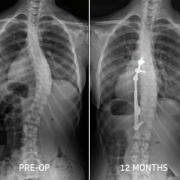
In motion-preserving techniques like vertebral body tethering, the spine is guided into a more balanced alignment using tension rather than rigid fixation. As the child grows, the tether helps modulate spinal growth and gradually improve the curve. Instead of locking the spine in place, the goal is to guide the spine while allowing it to remain mobile. This represents a fundamental shift in thinking about scoliosis treatment.

A Changing Philosophy in Pediatric Spine Surgery

Historically, the primary objective of scoliosis surgery was to stop curve progression. Today, surgeons are increasingly thinking about long-term spinal function, not just curve correction.

This shift mirrors trends seen in many areas of orthopedics.

For example:

  • Joint replacement has evolved toward bone-preserving techniques.
  • Sports medicine emphasizes restoring natural biomechanics.
  • Pediatric orthopedics prioritizes growth-friendly treatments.

In scoliosis care, this philosophy is leading to growing interest in motion-preserving solutions.

The Importance of Patient Selection

While motion-preserving treatments are exciting, they are also not appropriate for every patient.

Factors that influence whether a patient may qualify for non-fusion scoliosis surgery include:

  • Curve size and flexibility
  • Remaining skeletal growth
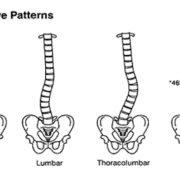
  • Curve pattern and location
  • Overall spinal balance

Some curves, particularly large or rigid ones, are still best treated with spinal fusion surgery for scoliosis. The goal is not to replace fusion entirely, but to expand the range of scoliosis treatment options available to patients.

What the Future May Look Like

The future of scoliosis surgery will likely involve a broader spectrum of treatment approaches.

Rather than a single solution, physicians may increasingly tailor treatment based on the patient’s age, growth potential, and curve characteristics.

Possible directions for the future include:

  • More refined motion-preserving implant technology.
  • Advanced biomechanical modeling to personalize treatment.
  • Earlier intervention strategies designed to prevent severe curves.

As research continues, surgeons will gain a better understanding of which treatments provide the best long-term outcomes.

Expanding Options for Families

For families navigating adolescent idiopathic scoliosis treatment, the most important takeaway is that scoliosis care continues to evolve.

Spinal fusion remains the most common and most studied treatment option for many patients. At the same time, ongoing innovation is creating new possibilities that may preserve motion while still correcting spinal deformity.

Ultimately, the future of scoliosis treatment may not be defined by a single procedure, but by the ability to match the right treatment to the right patient at the right time. For young patients facing decades of activity ahead, preserving spinal motion whenever possible may play an increasingly important role in shaping the next generation of scoliosis care.

https://family.opsb.com/wp-content/uploads/sites/2/2026/03/Screenshot-2026-03-18-071906.png 438 452 mhoff /wp-content/uploads/sites/2/2026/03/family-resource-hub-logo.png mhoff2026-05-20 21:08:432026-05-21 14:52:33The Future of Scoliosis Surgery

Does My Child Need Scoliosis Surgery: A Guide for Parents

Learning that your child has adolescent idiopathic scoliosis can be overwhelming. Many parents immediately worry about whether surgery will be necessary and what that might mean for their child’s future.

The good news is that most children with scoliosis never need surgery. Many curves can be monitored or treated with bracing. When surgery is recommended, it is typically because the curve has reached a level where it is likely to continue progressing.

Understanding adolescent idiopathic scoliosis treatment and the factors that guide surgical decisions can help families feel more confident as they explore the best scoliosis treatment options for their child.

For a deeper explanation of the condition itself, see our page on adolescent idiopathic scoliosis.

Understanding Adolescent Idiopathic Scoliosis

Adolescent idiopathic scoliosis (AIS) is the most common type of scoliosis and typically appears in children between ages 10 and 18.

In AIS, the spine curves sideways and may also rotate, forming an “S” or “C” shaped curve instead of remaining straight. The exact cause is unknown, but the condition often appears during periods of rapid growth.

Doctors measure the curve using the Cobb angle, which helps determine the most appropriate treatment plan.

When is surgery considered?

Surgery is usually considered when a spinal curve approaches 45–50 degrees or continues progressing despite non-surgical treatment.

At this stage, physicians may discuss surgical options to prevent the curve from worsening and to maintain long-term spinal balance. The goal of surgery is not only to correct the curve, but also to prevent future progression as the child grows.

What scoliosis treatment options exist for teens?

Treatment for AIS typically falls into four categories:

Observation
Small curves are monitored regularly to ensure they are not progressing.

Bracing
Bracing may be recommended for moderate curves in children who are still growing.

Non-Fusion Surgery

Some patients may qualify for the exploration of a non-fusion alternative to spinal fusion. These treatment options include growth modulation options like ApiFix as well as tether-based techniques such as Vertebral Body Tethering (VBT).

Posterior Spinal Fusion Surgery
Full fusion surgery may be considered when curves become larger or continue progressing despite bracing. This is a proven pathway to stabilize the spine and prevent further progression or complications.

Understanding the full range of scoliosis treatment options for teens helps families and physicians choose the most appropriate approach.

What is the most common fear parents have about surgery?

One of the most common fears parents have is that surgery will permanently limit their child’s mobility or quality of life.

Many families worry about:

  • Pain after surgery
  • Long-term limitations in sports or activity
  • The safety of spine surgery
  • Whether surgery is truly necessary

While these concerns are understandable, most adolescents recover well and return to normal activities after treatment.

Common questions during their first surgical consultation?

During the first consultation, parents often ask questions such as:

  • Does my child need scoliosis surgery now?
  • Are there alternatives to surgery?
  • What are the risks of waiting?
  • How much correction can be achieved?
  • What will recovery look like?

These conversations help families better understand the available scoliosis treatment options and the reasoning behind medical recommendations.

Many parents assume that surgery is recommended too quickly but this is typically not the case. Pediatric orthopedic providers generally evaluate curves very carefully over time before recommending surgery. Treatment decisions are based on several factors, not just curve size. These include progression rate, remaining growth, spinal balance, and overall health.

Understanding these factors can help families feel more confident about the treatment plan.

What are the most important factors parents should consider?

When evaluating adolescent idiopathic scoliosis treatment, physicians typically consider:

  • Cobb angle measurement
  • Rate of curve progression
  • Remaining skeletal growth
  • Curve location and flexibility
  • The child’s overall spinal balance

These factors help determine the safest and most effective scoliosis treatment plan.

How urgent are most surgical decisions?

In most cases, scoliosis surgery decisions are not immediate emergencies.

Families usually have time to:

  • Understand the diagnosis.
  • Explore treatment options.
  • Seek a second opinion if desired.
  • Discuss expectations and outcomes with their surgeon.

Taking time to gather information can help families feel more confident about their decision.

How can parents know they’re making the right choice?

Parents can feel more confident in their decision by:

  • Consulting with an experienced pediatric spine specialist
  • Asking detailed questions about treatment options
  • Understanding the risks and benefits of each approach
  • Ensuring the treatment plan aligns with their child’s specific condition.

The best scoliosis treatment plan is always one that is tailored to the individual patient.

What are the realistic risks of scoliosis surgery?

Like any surgical procedure, scoliosis surgery carries potential risks. These may include:

  • Infection
  • Bleeding
  • Implant-related complications
  • Need for additional procedures.

Fortunately, advances in surgical techniques and neuromonitoring have made scoliosis surgery significantly safer over the past several decades.

How often do patients return to normal activity?

The majority of AIS patients return to normal life within a few weeks after scoliosis surgery.

Many patients resume:

  • School activities
  • Recreational exercise
  • Competitive sports

Recovery timelines vary, but most teens gradually return to full activity once healing is complete.

What does the hospital stay typically look like?

Most patients stay in the hospital for several days after surgery. During this time, medical teams monitor recovery, manage pain, and help patients begin moving safely.

Early mobilization is often encouraged to support healing.

How long is recovery? What about school and sports?

Recovery timelines vary, but many adolescents follow a general pattern:

  • Hospital stay: about 3–5 days
  • Return to school: approximately 3–4 weeks
  • Light physical activity: several weeks after surgery
  • Full recovery: several months

Your surgeon will provide detailed guidance based on the specific procedure performed.

Many teens return to school within three to four weeks, depending on their recovery progress and comfort level. Schools can often accommodate temporary activity restrictions during the recovery period.

Return to sports depends on the surgical approach and the patient’s healing progress. Some activities may be resumed gradually within a few months, while full athletic participation may take longer. Surgeons guide families through a safe timeline for returning to physical activity.

https://family.opsb.com/wp-content/uploads/sites/2/2026/03/Screenshot-2026-03-18-074106.png 648 878 mhoff /wp-content/uploads/sites/2/2026/03/family-resource-hub-logo.png mhoff2026-05-20 21:08:152026-05-20 21:08:17Does My Child Need Scoliosis Surgery: A Guide for Parents

Spinal Fusion vs Non-Fusion Scoliosis Surgery Understanding the Differences

When scoliosis progresses beyond the point where bracing can control the curve, surgeons may recommend surgery. For decades, spinal fusion surgery for scoliosis has been the standard treatment for larger curves.

Today, however, some patients may qualify for non-fusion scoliosis surgery, which aims to correct the spinal curve while preserving motion in the spine.

Understanding the differences between spinal fusion and alternatives to spinal fusion for scoliosis can help families make informed decisions about treatment.

How would you explain spinal fusion to a parent?

Spinal fusion surgery for scoliosis is a procedure designed to straighten and stabilize the spine by permanently joining certain vertebrae together. This prevents further progression of the diagnosis.

During the surgery, surgeons place rods and screws along the curved portion of the spine to stabilize the spine in a more balanced alignment. Bone graft material is then used to encourage the affected vertebrae to grow together into one solid segment over time. Once healing occurs, that section of the spine no longer moves independently, which prevents the curve from worsening.

This approach has been used for decades and remains one of the most reliable treatments for severe scoliosis.

What are the primary goals of fusion surgery?

The primary goals of scoliosis fusion surgery are to:

  • Stop the curve from progressing.
  • Improve spinal alignment and posture.
  • Reduce deformity caused by the curvature.
  • Maintain long-term spinal balance.

For many patients with larger curves, fusion can provide durable correction and prevent the curve from worsening later in life.

What are the long-term limitations of fusion?

It is well known and proven that posterior spinal fusion surgery can effectively stabilize the spine, but it does eliminate motion in the fused segment.

Potential long-term considerations include:

  • Reduced flexibility in the fused portion of the spine.
  • Increased mechanical stress on nearby segments over time.
  • Permanent loss of motion in the treated area.

Most adolescents adapt very well after surgery, but preserving motion is one reason why surgeons may explore scoliosis surgery alternatives in certain patients.

How does fusion impact spinal mobility?

The amount of mobility affected depends on how many vertebrae are fused and where the curve is located. Fusion in the upper thoracic spine may have minimal impact on daily activities, while fusion extending into the lower lumbar spine may affect bending and twisting more noticeably.

Even so, many patients who undergo spinal fusion surgery for scoliosis return to sports and active lifestyles once healing is complete.

What is non-fusion scoliosis surgery?

Non fusion scoliosis surgery refers to techniques designed to correct or control spinal curvature without permanently fusing the vertebrae together. Instead of eliminating motion, these approaches aim to guide spinal growth or apply controlled forces to gradually straighten the spine while preserving flexibility.

For some adolescents, these procedures represent one of the most promising alternatives to spinal fusion for scoliosis.

How does it differ biomechanically from fusion?

The key difference is how the spine is stabilized.

In fusion surgery, the vertebrae are permanently joined together, eliminating motion in that segment.

In contrast, non-fusion techniques apply an internal brace philosophy or tension which has the potential to preserve mobility. The goal is to control the curve while maintaining natural spinal movement.

How does motion preservation impact long-term outcomes?

Preserving motion may offer several potential advantages:

  • Maintenance of spinal flexibility.
  • Reduced stress on adjacent spinal segments.
  • Greater range of motion during athletic activities.

Because the spine remains mobile, these scoliosis surgery alternatives aim to maintain more natural biomechanics over time. However, not every patient is an ideal candidate for motion-preserving procedures.

What curves are most appropriate for non-fusion techniques?

Non-fusion approaches are typically considered for patients who meet certain criteria, such as:

  • Moderate curve sizes.
  • Significant growth remaining.
  • Flexible curves that respond well to correction.
  • Specific curve patterns depending on location.

Each patient must be carefully evaluated to determine if non fusion scoliosis surgery is appropriate.

How does recovery differ between fusion and non-fusion surgery?

Recovery timelines can vary depending on the procedure and the individual patient.

After spinal fusion surgery for scoliosis, recovery generally involves:

  • Multi-day hospital stays.
  • Gradual return to school within a few weeks.
  • Full activity over several months.

Non-fusion procedures may sometimes allow earlier mobility and faster return to activity, though recovery protocols vary between surgical techniques.

What about returning to sports?

Most adolescents who undergo scoliosis surgery eventually return to sports and normal physical activity.

However, the timeline may differ with non-fusion.

  • Fusion surgery often requires a longer period of healing before full activity.
  • Motion-preserving procedures may allow earlier return to flexibility-based sports.
  • High impact sports are generally more limited with non-fusion pathways.

These differences are one reason families often explore alternatives to spinal fusion.

Are complication rates different?

Every surgical procedure carries potential risks. The types of risks may differ between fusion and non-fusion approaches.

Fusion surgery has decades of long-term data supporting its safety and effectiveness. Non-fusion procedures are newer and continue to be studied to better understand long-term outcomes.

For this reason, surgeons carefully evaluate which approach is most appropriate for each patient.

What to look for when comparing the two?

When families compare VBT vs Spinal Fusion or other scoliosis surgery options, common questions include:

  • Will my child lose spinal mobility?
  • What will recovery look like?
  • Can they return to sports?
  • What are the long-term outcomes?
  • Is there a way to treat the curve while preserving motion?

These concerns often guide the discussion between families and pediatric spine specialists.

Surgeons may recommend fusion when a curve is very rigid, patient has minimal growth remaining, or the curve pattern is not conducive for non-fusion options. In these situations, spinal fusion surgery for scoliosis remains the most reliable treatment option.

Non-fusion approaches may be considered when:

  • The patient has significant growth remaining.
  • The curve is moderate and flexible.
  • Preserving spinal motion is an important goal.
  • The curve pattern is appropriate for motion-preserving techniques.

Ultimately, the goal is to choose the treatment that provides the safest and most durable outcome for the individual patient.

https://family.opsb.com/wp-content/uploads/sites/2/2026/03/Screenshot-2026-03-18-074238.png 387 467 mhoff /wp-content/uploads/sites/2/2026/03/family-resource-hub-logo.png mhoff2026-05-20 21:07:512026-05-20 21:07:53Spinal Fusion vs Non-Fusion Scoliosis Surgery Understanding the Differences

When Is Surgery Recommended for Scoliosis?

Most children diagnosed with scoliosis will never need surgery. Many curves remain small or can be managed with observation or bracing. However, when the spinal curve continues to grow and reaches certain thresholds, surgeons may begin discussing surgical options to prevent long-term deformity and maintain spinal balance.

Understanding when surgery becomes necessary depends on more than just one measurement. Physicians consider the curve size, how quickly it is progressing, and how much growth a patient has remaining.

When Surgery Is Typically Considered

In adolescents with idiopathic scoliosis, surgery is usually considered when the spinal curve approaches 45–50 degrees or greater on the Cobb angle measurement. Curves at this level have a higher likelihood of continuing to progress, even after growth is complete.

At this stage, physicians often begin discussing spinal fusion surgery for scoliosis or other surgical approaches designed to stabilize the spine and prevent worsening deformity.

The Cobb angle is the standard measurement used to guide scoliosis treatment decisions.

Typical Cobb angle scoliosis treatment thresholds include:

  • 10–25 degrees: monitoring and observation.
  • 25–40 degrees: bracing if growth remains.
  • 40–50 degrees: surgical consultation may begin.
  • 50+ degrees: surgery is often recommended to prevent continued progression.

While these ranges provide general guidance, each patient’s treatment plan is individualized based on additional clinical factors.

How does curve progression rate influence the decision?

The rate of curve progression is one of the most important indicators for surgery. A curve that increases rapidly suggests that the deformity is actively progressing. Fast progression increases the likelihood that the curve will reach severe levels, which is why surgeons may recommend earlier intervention. Even moderate curves may prompt a surgical discussion if they are progressing quickly.

How does remaining growth factor into surgical timing?

Remaining skeletal growth plays a major role in scoliosis treatment decisions. Children who still have significant growth remaining are at higher risk of curve progression. As the spine grows, the curvature can worsen. Most non-fusion spine treatments rely on specific timing as well.

Surgeons often evaluate growth using several indicators:

  • Bone maturity on X-rays
  • Growth plate development
  • Patient age and puberty stage

When large curves occur in patients with substantial growth remaining, surgery may be recommended sooner to prevent severe deformity.

Bracing vs Surgery

Bracing is designed to slow or stop curve progression during growth, essentially buying time until skeletal maturity.

Bracing may become less effective when:

  • The curve progresses beyond 40 degrees.
  • The patient is nearing skeletal maturity.
  • The curve continues to worsen despite consistent brace compliance.

At this stage, physicians may begin discussing surgical options.

In certain situations, surgery may be recommended even if the curve is below traditional thresholds. Each case is evaluated individually to determine the safest and most effective scoliosis treatment.

Examples may include:

  • Rapidly progressing curves
  • Curves causing significant spinal imbalance.
  • Curves unlikely to respond to bracing.
  • Patients with significant remaining growth and worsening deformity

Common Misconceptions

One common misconception is that surgery is recommended solely based on curve size. In reality, physicians consider many factors including progression rate, growth remaining, and the patient’s overall spinal alignment.

Another misunderstanding is that surgery is recommended too quickly. In most cases, surgeons attempt observation or bracing first whenever appropriate.

What are the risks of delaying surgery?

In some cases, families delay surgical evaluation hoping the curve will stabilize on its own.

However, large curves can continue progressing, even after growth ends. Delaying treatment may allow the deformity to become more severe, which can make surgery more complex and reduce the amount of correction achievable.

Early consultation with a spine specialist helps families understand the safest timing for treatment.

Is surgery always inevitable for curves above a certain degree?

Not always. While curves above 50 degrees often continue progressing and frequently lead to scoliosis fusion surgery, each patient’s case is unique.

Some curves stabilize, and new treatment approaches may offer additional options depending on the patient’s age, growth remaining, and curve characteristics.

Are there patients who are not good candidates for surgery?

Some patients may not be ideal candidates for surgery, particularly if:

  • The curve is small and stable.
  • Growth is complete and the curve is unlikely to progress.
  • The patient has medical conditions or requirements that increase surgical risk.

In these cases, monitoring or non-surgical management may remain the best option.

What factors determine if you qualify for non-fusion options?

Some adolescents may qualify for non-fusion scoliosis treatments, depending on several factors such as:

  • Curve size and flexibility
  • Remaining skeletal growth
  • Location of the spinal curve
  • Overall spinal balance

These treatments aim to correct or control the curve while preserving spinal motion. Options such as ApiFix or Vertebral Body Tethering are growing in popularity for specific qualified scoliosis patients.

https://family.opsb.com/wp-content/uploads/sites/2/2026/03/11.png 615 974 mhoff /wp-content/uploads/sites/2/2026/03/family-resource-hub-logo.png mhoff2026-05-20 21:07:062026-05-20 21:07:08When Is Surgery Recommended for Scoliosis?

Pages

  • Home
  • Accessibility Statement
  • Publicity and Data Use Authorization & Release Policy
  • Cookie Policy
  • Terms of Use
  • Privacy Policy
  • Medical Disclaimer
  • About
  • Blogs
  • Product Resources
  • Scoliosis
  • Clubfoot
  • Lower Limb Bracing
  • Hip Dysplasia
  • Plagiocephaly
  • Femur Fracture
  • Prosthetics & Limb Difference
  • Surgical Resources
  • Connect with OP Specialty Bracing

Categories

  • Uncategorized
  • Stories
  • Condition
  • Clubfoot
  • Plagiocephaly
  • Femur Fracture
  • Prosthetics
  • Experience
  • About
  • Scoliosis
  • Hip Dysplasia
  • Lower Limb
  • Surgical Resources
  • Featured Stories

Archive

  • May 2026
  • April 2026
  • March 2026
  • February 2026
  • December 2025
  • October 2025

This website is for educational purposes only and does not constitute medical advice or replace consultation with your healthcare provider. PLEASE CONSULT YOUR PEDIATRICIAN OR ORTHOPEDIC SPECIALIST FOR PROFESSIONAL ADVICE REGARDING DIAGNOSIS AND TREATMENT OPTIONS. OPSB products should be used under the guidance of healthcare professionals. Full prescribing information can be found in product labeling. Individual results may vary.

Medical Disclaimer

©2026 OrthoPediatrics Corp.
OrthoPediatrics Specialty Bracing

Privacy Policy | Terms of Use | Cookie Policy | Accessibility Statement

Contact Us

Phone: 877-766-7384
Email: info@mdorthopaedics.com

Quick Links

  • Scoliosis
  • Clubfoot
  • Lower Limb
  • Hip Dysplasia
  • Plagiocephaly
  • Femur Fracture
  • Prosthetics & Limb Difference
  • Surgical Resources
Visit the OP Specialty Bracing website

Design and development by RainCastle Communications

  • Scoliosis
  • Clubfoot
  • Lower Limb
  • Hip Dysplasia
  • Plagiocephaly
  • Femur Fracture
  • Prosthetics & Limb Difference
  • Surgical Resources

    Quick Links

  • About
  • For Providers
  • Product Resources
  • Blogs
  • Find a Clinic