OPSB Family Resource Hub
  • About
  • For Providers
  • Product Resources
  • Blogs
  • Find a Clinic
Search Search
  • Scoliosis
  • Clubfoot
  • Lower Limb
  • Hip Dysplasia
  • Plagiocephaly
  • Femur Fracture
  • Prosthetics & Limb Difference
  • Surgical Resources
  • Menu Menu

What Happens With My Child’s Lower Limb Orthotics As They Grow?
Your child grows out of shoes, pants, and jackets in what feels like a blink. So it is natural to worry and wonder, what happens with their lower limb orthotics as they grow?

If your child wears braces or supports on their feet, ankles, knees, or legs, you are not alone. Many families walk this road. Orthotics can look medical or even a bit scary at first, but at their core they are just tools that help your child move, play, and stay safe.

Kids grow fast. Their bones lengthen, muscles stretch, and walking patterns change over time. Because of this, orthotics will need updates, adjustments, and sometimes complete replacements. This is normal, expected, and part of good care, not a sign that something has gone wrong.

This guide explains what to expect as your child grows with lower limb orthotics, how often to check fit, what happens at follow up visits, and how to work with your orthotist and care team. The goal is simple: keep your child comfortable, active, and confident while their body grows and changes.

Understanding Lower Limb Orthotics For Growing Children

Before thinking about growth, it helps to know what orthotics do and why your child might need them.

What are lower limb orthotics and why might my child need them?

Lower limb orthotics are devices that support the legs from the hips down. They can be small, like an in-shoe insert, or larger, like a brace that goes up to the knee.

Common types include:

  • Foot orthotics or inserts: These sit inside the shoe to support the arch or heel.
  • AFOs (ankle foot orthoses): Braces that support the ankle and foot, often made of plastic.
  • Knee braces or KAFOs (knee ankle foot orthoses): Braces that support the knee as well as the lower leg and foot.

These devices can help your child by:

  • Supporting weak muscles
  • Holding joints in a better position
  • Improving balance and walking pattern
  • Reducing pain or fatigue
  • Protecting joints after injury or surgery

Children may use lower limb orthotics for many reasons, such as:

  • Flat feet that cause pain or tired legs
  • Cerebral palsy
  • Spina bifida
  • Toe walking
  • Knock knees or bow legs
  • Recovery after fracture or surgery
  • Neuromuscular conditions that affect strength or coordination

The main purpose is not only to “fix” something. Orthotics help your child move better, join in with friends, and stay active at home, at school, and in sports.

How growth affects a child’s bones, muscles, and joints

Children grow in quick bursts. Their bones lengthen, their muscles and tendons stretch to keep up, and their balance and movement change.

Growth does not happen at the same speed all the time. For example:

  • Toddler years (1 to 3 years): Lots of change in balance and walking, feet and legs grow fast.
  • Early school years (4 to 8 years): Steady growth; strength and coordination improve.
  • Preteen and early teen years (9 to 14 years): Big growth spurts; legs may feel “too long” at times, coordination can change.

During a growth spurt, your child might shoot up a few inches in a short time. Orthotics that fit well last month can suddenly feel tight, rub the skin, or sit in the wrong place.

This is not a sign that anyone did something wrong. It is simply what happens when a growing body and a solid device meet.

Why orthotics need to change as your child grows

Orthotics are made to hold part of the leg in a specific position. They support the bones and joints at certain angles so muscles can work better and walking is safer.

As your child grows:

  • Bones get longer, so straps and shells may not line up with the same spots.
  • The shape of the leg or foot can change.
  • The angle of joints can shift, which changes how the brace interacts with the limb.

At some point, the old orthotic will not match the new leg shape or length. It might still fit “on,” but it might not be doing its job or might cause pressure areas.

Outgrowing an orthotic is expected. It does not mean the device failed or your child “got worse.” It just means it is time to adjust the plan.

Sometimes the orthotist can tweak the current brace. Sometimes a brand new device is the better choice. As your child grows and develops, they may even move to a different type of orthotic that allows more movement or looks slimmer.

What To Expect As Your Child Grows With Lower Limb Orthotics

Knowing the likely timeline and what follow up visits involve can ease a lot of worry.

How often will my child’s orthotics need to be checked or replaced?

There is no single schedule that fits every child, but some general patterns help as a starting point.

  • Many children need new orthotics every 9 to 18 months.
  • During growth spurts, this might shorten to every 6 to 12 months.
  • Younger children often outgrow devices faster than teens. A toddler can sometimes jump two shoe sizes in a year.

These are just averages. Your child’s orthotist and medical team will give guidance based on:

  • Age and growth rate
  • Diagnosis and movement goals
  • How hard they are on their devices (sports, playground, etc.)

Regular checkups, often every 6 to 12 months, help catch problems early. If you notice sudden changes, you do not need to wait for the next planned visit. Call the clinic and ask for an earlier review.

Signs your child has outgrown their lower limb orthotics

Your child’s behavior and comfort often tell you what you need to know.

Some clear signs include:

  • Red marks that do not fade within 20 to 30 minutes after taking the orthotic off
  • Blisters, broken skin, or calluses
  • New pain, pressure, or rubbing where there was no problem before
  • Toes or heel hanging off the edge of the device
  • Straps that no longer reach or have to be pulled extremely tight
  • You struggle to get the brace on, or it only fits without socks
  • A change in walking, such as limping, more tripping, or shorter steps
  • Your child suddenly refuses to wear the orthotic after previously accepting it
  • Pants, leggings, or shoes that used to fit over the brace suddenly feel tight

Trust your instincts. If something looks wrong, feels wrong, or your child starts avoiding activity, reach out to your orthotist. Do not force your child to “push through” real pain from a poor fit.

What happens at an orthotic review or follow up visit?

A follow up visit is a chance to check how the device and your child are working together.

A typical appointment might include:
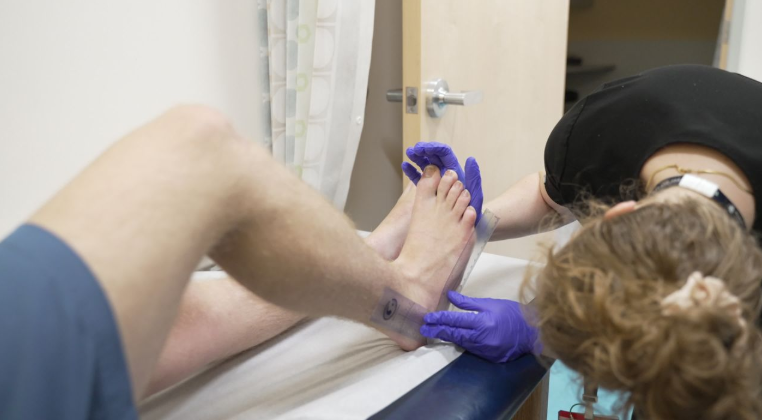
  • Measurements of your child’s foot and leg length and width
  • Skin check for red spots, rubbing, or pressure areas
  • Watching your child walk with and without the orthotic
  • Questions about comfort, school, sports, and daily life
  • Checking how shoes fit with the device

The orthotist may then:

  • Tighten or loosen parts
  • Add or move padding
  • Trim plastic edges or grind rough spots
  • Adjust angles or hinges
  • Suggest a new device if needed

Parents are an important part of the visit. Ask questions, share your observations, and speak up if something does not make sense. The goal is not just a perfectly shaped brace, but a device that helps your child reach their goals.

Can a child ever grow out of needing lower limb orthotics?

Some children use orthotics for a limited time. For example:

  • To support healing after surgery or a fracture
  • To guide growth in a certain direction
  • To help with certain foot shapes that improve with age and strength

These children may eventually stop using orthotics. Their bodies grow, their muscles get stronger, and their walking becomes steady without extra support.

Other children have long term or lifelong conditions. They may always benefit from some level of support. The type of device might change over time, from a larger brace to a smaller one, or from a rigid style to something more flexible.

Growth, therapy, and practice can lead to big changes in strength and movement. The key is not to focus only on “when can we stop orthotics” but to ask:

  • Is my child comfortable?
  • Can they join in daily life and play?
  • Does the device help them do more, not less?

Function, comfort, and participation are what matter most.

How Orthotics Are Adjusted Or Changed As Your Child Grows

Orthotics rarely stay exactly the same for years. Small and large changes keep them working well as your child grows.

Small adjustments that help orthotics keep up with growth

Sometimes the size of the brace is still fine, but the shape or pressure points need tweaking. In this case, the orthotist can often extend the life of the device with minor changes, such as:

  • Adding, removing, or shifting padding to relieve pressure
  • Adjusting straps or closures so they fit more securely
  • Bending metal parts if the design includes metal sections
  • Trimming plastic edges that dig into skin or catch on clothing
  • Adjusting the angle of joints or hinges to improve movement

These small fixes can make a big difference in comfort. They also help keep alignment correct as your child grows and their posture shifts. Regular reviews help catch these needs before they turn into bigger problems.

When is it time for brand new orthotics?

There comes a point when another small adjustment is not enough. A new orthotic is usually needed when:

  • Your child has grown several shoe sizes since the last device
  • The brace is clearly too short, too narrow, or does not sit in the right place
  • The plastic is cracked, very worn, or no longer holds its shape
  • Your child’s diagnosis or walking pattern has changed
  • The current design no longer fits their daily life at school, home, or in sports

Insurance or funding programs may set certain time frames for new devices. Sometimes coverage is tied to “wear and tear” or growth. Keep reports, letters, and photos organized so you can share them as needed. If you are unsure about coverage, ask the clinic to help you review options.

Changing orthotic type as your child gets stronger and more active

Growth is not just about height. It is also about skill, strength, and confidence. Many children move to different types of orthotics over time.

For example:

  • A child might start with a solid AFO that holds the ankle still, then move to a hinged AFO that allows more movement as strength improves.
  • Another child might start with an above ankle brace, then later only need in-shoe inserts.
  • A teen who becomes very active in sports might switch from a bulkier brace to a slim design that still supports but fits better in athletic shoes.

These changes are usually a sign of progress and careful planning, not a setback. The care team watches how your child moves, listens to your goals, and chooses the type of support that matches their current needs.

Working with your orthotist, therapist, and doctor as a team

You are not supposed to figure all of this out alone. A strong care team makes a big difference.

Your child’s team might include:

  • An orthotist who designs and fits the device
  • A physical therapist who works on strength, stretching, and movement skills
  • A doctor or specialist who manages the medical side

Helpful information you can share:

  • Any new falls, trips, or changes in walking
  • Complaints of pain or fatigue, especially after school or sports
  • Frustration with putting the brace on or taking it off
  • Changes in school or activities, like starting a new sport

Some parents keep a simple note on their phone or take photos of skin marks or worn shoe areas. These details help the team make better decisions.

You know your child best. Your voice matters.

Practical Tips For Parents Managing Orthotics Through Growth

Daily life with orthotics involves small routines and choices that can make things smoother for everyone.

Keeping your child comfortable as they grow

Comfort starts with the basics and builds from there.

  • Check the skin daily, especially when a device is new or recently adjusted. Look at bony areas, straps, and edges.
  • Use smooth, well fitting socks without thick seams. Knee high socks often work best with AFOs.
  • Make sure shoes have enough length and depth for both the foot and the orthotic. Many parents like shoes with removable insoles and wide openings.
  • When you get a new device, break it in slowly. Start with 1 to 2 hours of wear, then increase time each day as long as skin checks are clear and your child feels ok.
  • Plan for growth by choosing shoes that have a bit of extra room for both the orthotic and the foot, without being sloppy.

If your child says something hurts, listen. Some mild rubbing may be expected at first, but sharp pain, strong pressure, or skin damage is a reason to stop and call the orthotist.

Planning ahead for costs, school, and activities

Growth and orthotics can affect your budget, your calendar, and your child’s routine.

Helpful ideas:

  • Try to plan for new orthotics in your yearly budget if you can. Ask your clinic what a typical replacement cycle looks like for your child’s age.
  • Check insurance coverage and ask about prior authorizations, payment plans, or community programs that help with cost.
  • Talk with your child’s school. Let teachers and staff know about orthotics, especially for PE, field trips, stairs, and extra time for changing shoes.
  • Many children with orthotics can still play sports and join hobbies. They may need small changes, such as different shoes, extra stretching, or short rest breaks.
  • When possible, schedule follow ups during school breaks or on days with fewer important activities to reduce stress.

The goal is not to limit your child, but to make their routine workable and predictable.

Supporting your child’s confidence while wearing orthotics

Body image and confidence matter, especially as kids get older.

You can help by:

  • Giving your child simple words to explain their orthotics, like “These braces help my muscles” or “They help me walk and run better.”
  • Letting them choose sock colors, brace patterns, or shoe styles when possible. A bit of personal style can go a long way.
  • Celebrating what their body can do. Cheer for milestones like walking longer distances, climbing stairs, riding a bike, or joining a game at recess.
  • Being honest that it is ok to feel annoyed or different sometimes. Growth stages with new devices can be tiring.

Remind your child that orthotics are tools, not labels. They are part of how they move through the world, not the whole story of who they are.

Conclusion

Children grow, and their lower limb orthotics grow and change with them. New sizes, fresh adjustments, and even different types of devices are all part of the normal process of supporting a growing body.

Regular checkups and careful skin and comfort checks at home help you spot problems early. When something feels off, reaching out to your orthotist or care team is the right move, not a bother. Outgrowing a brace is a sign that your child is growing, not that anyone failed.

As your child becomes stronger and more active, the kind of support they need may change. Through it all, your partnership with the orthotist, therapist, and doctor keeps the focus on what matters most: your child’s comfort, confidence, and ability to join in everyday life.

If you have noticed new red marks, a change in walking, or your child avoiding their brace, consider scheduling a review. You do not have to figure this out on your own, and asking for help is a smart step toward keeping your child safe, active, and ready for whatever comes next.

Disclaimer:

OPSB products should be used under the guidance of a qualified healthcare professional. Individual results may vary. Please consult your pediatrician or orthopedic specialist for professional advice. This article is for informational purposes only and does not constitute medical advice. Always follow your doctor’s recommendations and instructions.

MAM-MM-141
https://family.opsb.com/wp-content/uploads/sites/2/2026/03/Screenshot-2026-03-16-110746.png 418 493 mhoff /wp-content/uploads/sites/2/2026/03/family-resource-hub-logo.png mhoff2026-03-16 17:08:512026-04-02 19:32:44What Happens With My Child’s Lower Limb Orthotics As They Grow?

How Lower Limb Orthotics Help Your Child Grow Inside and Out

When a doctor says, “Your child might need orthotics,” your heart probably jumps. You might picture big plastic braces, long appointments, and your child feeling different from other kids.

Here is the good news. Lower limb orthotics are not just about holding a leg or foot in place. They can help your child feel safer, more confident, and more able to join in everyday life.

Parents often worry about comfort, appearance, cost, and what other people will think. You might ask, “Will my child be in pain? Will classmates stare? Will they feel like something is wrong with them?” These are real questions, and you are not alone in asking them.

This guide walks through what lower limb orthotics are, why children use them, and how they support not only physical growth but also emotional health, social life, and independence. You will also find practical tips to help your child adjust and thrive.

How Lower Limb Orthotics Help Your Child Grow Inside and Out – they don’t always fit into a shoe, wondering if we should remove that line? Developmental delay is usually phrased “developmental delayS”. Instead of “Orthotics can spread pressure across the foot” maybe “Orthotics help to distribute weight evenly through the foot”


What Are Lower Limb Orthotics and Why Might Your Child Need Them?

Lower limb orthotics are devices that support the feet, ankles, and legs. They help guide movement, protect joints, and make walking or standing safer and easier.

Many families hear terms like AFOs or SMOs and feel overwhelmed at first. Once you know what they do and why your child needs them, the picture becomes much clearer.

Simple explanation of lower limb orthotics for kids

Think of orthotics as super-strong helpers for your child’s legs and feet. They can:

  • Wrap around the foot or ankle
  • Go up the leg, sometimes to the knee

Common types include:

  • AFOs (ankle-foot orthoses) that support the ankle and foot
  • SMOs (supramalleolar orthoses) that wrap just above the ankle bones
  • Foot orthotics that sit inside the shoe like special insoles
  • KAFOs (knee-ankle-foot orthoses) that support the knee, ankle, and foot

Most kids use orthotics together with physical therapy. The therapist works on strength and movement, and the orthotics help the body hold that better position during daily life.

So instead of thinking, “My child is stuck in a brace,” it can help to think, “My child has extra tools to move better.”

Common reasons a child might be prescribed orthotics

Children can be very active, but not every body moves in the same way. A child might be prescribed orthotics for reasons like:

  • Flat feet that cause pain or tired legs
  • Toe walking, where the child walks on tiptoes
  • Cerebral palsy, which can affect balance, muscle tone, and walking pattern
  • Developmental delays that makes standing or walking harder
  • Genetic or neuromuscular conditions that affect muscles or joints
  • Injury, such as a fracture or ligament problem
  • Frequent falls or trouble with balance

Early support can protect growing joints and reduce pain. Think of it like using good shoes for running; the right support now can lower the risk of problems later.

Needing orthotics does not mean something is “wrong” with your child as a person. It means their body needs a bit more help to do what their mind and heart already want to do.

How lower limb orthotics work with your child’s growing body

Children grow fast. Orthotics are made with this in mind. They fit the child’s current size and needs, and they are adjusted or replaced as the child grows.

Orthotics help guide:

  • Bones, so they line up better
  • Muscles, so they work in a healthier way
  • Joints, so they move in a safer range

This can make walking or standing easier and less tiring. Regular checkups with the orthotist and medical team help keep everything fitting well as your child grows taller and more active.


Beyond Bracing: Physical Benefits That Support Long-Term Growth

The most obvious benefit of lower limb orthotics is physical support. That is only the start. Better movement can lead to more comfort, more safety, and more freedom to play.

When a child feels steady and less tired, they have more energy for school, friends, and fun. Physical changes become the base for emotional and social growth.

Better alignment, balance, and safer movement

Orthotics gently guide the foot and leg into a more stable position. This can help with:

  • Wobbliness
  • Tripping
  • Sudden falls

In real life, that might mean:

  • Walking down the school hallway without grabbing the wall
  • Climbing stairs while holding a handrail, not being carried
  • Playing on the playground without constant stumbles

When kids feel less likely to fall, they feel less afraid of moving. That calm confidence shows up in how they walk, play, and try new things.

Reducing pain and fatigue so your child can keep up

Poor alignment can make muscles work much harder than they should. This extra effort can cause:

  • Sore feet
  • Achy knees
  • Tired legs after only a short time

Orthotics help to distribute weight evenly through the foot, support weak areas, and help the body move in a more efficient way. As a result, your child may:

  • Walk longer without needing to sit
  • Stand in line at school without tears or complaints
  • Stay on their feet for a whole family outing

Less pain and less fatigue often mean fewer meltdowns, fewer “I can’t” moments, and more time enjoying life.

Supporting muscle development and joint protection over time

When joints sit in a better position, muscles can fire and stretch in a healthier pattern. This can:

  • Help weaker muscles work more effectively
  • Reduce strain on overworked muscles
  • Lower the stress on knees, hips, and spine

For some conditions, this support can reduce the risk of joint deformity, early arthritis, or more complex surgeries in the future. Every child is different, but in many cases, orthotics are part of a long-term plan to protect a growing body.


How Lower Limb Orthotics Boost Confidence and Emotional Well-Being

Once your child moves with more comfort and safety, their feelings often change too. Orthotics can help a child feel more capable, less scared, and more proud of what they can do.

From “I can’t” to “I can”: building confidence step by step

Many parents hear their child say “I can’t” when walking or standing feels hard. With the right support, those words often shift to “Watch me.”

Small wins can include:

  • Walking from the car to the store without being carried
  • Standing during a school assembly without sitting down halfway
  • Joining a simple sports drill during practice instead of watching from the side

Each success, even a tiny one, builds your child’s sense of ability. That growing confidence spills over into schoolwork, friendships, and new activities.

Less fear of falling, more joy in moving

Kids who fall often may start to avoid running or playing. They might cling to adults, refuse to try new games, or cry when asked to walk longer distances.

With better stability from orthotics, many children feel safer. They can:

  • Run with less fear
  • Try climbing or jumping in controlled ways
  • Explore their surroundings with more curiosity

When the fear of falling drops, the joy of moving rises. Movement becomes fun again, not something to dread.

Feeling included instead of left out or different

Not keeping up with peers can hurt. A child might feel embarrassed, sad, or angry when they are left behind on field trips, at recess, or at birthday parties.

Orthotics can help your child:

  • Walk with the group instead of in a stroller
  • Join games like tag or relay races
  • Stand and chat with friends without needing to sit all the time

Body image also plays a part. Many modern orthotics can be made in different colors or with fun straps. Some kids like to call them their “power legs” or “super shoes.” When the device feels like a cool tool, not a sign of weakness, kids often feel proud instead of ashamed.


Social and Learning Benefits: How Orthotics Help Your Child Take Part in Life

Movement and learning are closely linked. When walking and standing are easier, your child can take part more fully at school, at home, and in the community.

Keeping up with classmates at school and on the playground

School days involve a surprising amount of walking and standing. Orthotics can help with:

  • Walking between classes or activities
  • Carrying a backpack without tipping or stumbling
  • Standing in the lunch line without needing to sit on the floor
  • Joining simple sports or games at recess

When a child can keep up, they are more likely to join group games, form friendships, and feel like a true member of the class.

Building independence in daily routines at home

At home, small tasks add up. Orthotics can make it easier for your child to:

  • Walk from their bedroom to the bathroom
  • Go up and down stairs with support
  • Help set the table or put toys away
  • Walk to the car or mailbox without being carried

Each small task puts another brick in the wall of independence. Kids start to see themselves as capable, not helpless, which is powerful for self-esteem.

Supporting focus, learning, and energy throughout the day

Pain and fatigue can drain a child’s attention. When legs hurt, it is harder to sit still and learn, and moods often get worse.

With better support from orthotics, many kids:

  • Use less energy just to walk and stand
  • Have more focus left for reading, writing, and listening
  • Come home from school with enough energy to play or do homework

Comfort in the body often leads to a calmer mind. That can improve not only grades but also family time.


Helping Your Child Adjust: Practical Tips for Parents Using Lower Limb Orthotics

Starting orthotics is a big change for the whole family. With a few simple habits, you can make them feel like a normal part of life instead of a scary new thing.

Making orthotics part of normal life, not a big scary change

You can ease the transition with steps like:

  • Gradual wear time: Start with short periods and build up as recommended
  • Personal touches: Let your child pick colors or decorate straps with stickers if allowed
  • Good shoes: Choose shoes that fit well over the orthotics and look like styles other kids wear
  • Simple routines: Put orthotics on at the same times each day, like before school

Use positive language at home. Instead of “You have to wear your braces,” try “These help your legs stay strong so you can play longer.”

Working with your child’s care team for the best fit and function

Your child’s orthotist, physical therapist, and doctor are your partners. Stay in touch with them, and do not hesitate to ask questions.

Helpful habits include:

  • Going to follow-up visits on schedule
  • Checking your child’s skin for redness or blisters
  • Noting any pain, big mood shifts, or changes in walking
  • Sharing those notes with the care team

Orthotics often need small tweaks. A better fit can mean less discomfort and better results.

Talking about orthotics with your child and with others

Kids notice everything, and other children will have questions. Simple, honest language works best.

You might say:

  • To your child: “These give your legs extra support so you can run and play more.”
  • To other kids: “They are like special shoes that help him stay strong and steady.”

Invite your child to share how they feel. Listen without jumping in to fix every emotion. If teasing happens, you can practice calm responses together, such as, “These help me move better,” then walking away.

Many parents find that when they speak with calm confidence, children learn to do the same.


Conclusion: More Than Support, A Path To New Possibilities

Lower limb orthotics offer far more than physical support. They can open doors to confidence, independence, friendships, and better learning.

Feeling worried at the start is normal. With time, many families find that orthotics become one of the most helpful tools in their child’s growth. They see fewer falls, less pain, more smiles, and more “I can do it” moments.

Stay curious. Ask questions. Work closely with your child’s care team. Most of all, keep your eyes on what your child can do now, and what they may discover they can do tomorrow, with the right support under their feet.

Disclaimer:

OPSB products should be used under the guidance of a qualified healthcare professional. Individual results may vary. Please consult your pediatrician or orthopedic specialist for professional advice. This article is for informational purposes only and does not constitute medical advice. Always follow your doctor’s recommendations and instructions.

MAM-MM-138

https://family.opsb.com/wp-content/uploads/sites/2/2026/03/Screenshot-2026-03-16-105816.png 420 762 mhoff /wp-content/uploads/sites/2/2026/03/family-resource-hub-logo.png mhoff2026-03-16 16:59:012026-03-16 16:59:05How Lower Limb Orthotics Help Your Child Grow Inside and Out

Signs Your Child May Benefit From a Lower Limb Orthotic

You watch your child run across the playground and something catches your eye. Maybe they trip more than other kids, walk on their toes, or complain that their legs are tired again. A small worry starts to grow in the back of your mind.

If this sounds familiar, you are not alone.

Many parents notice little differences in how their child walks, runs, or stands. Most of the time, these differences are part of normal growth. In some cases, though, a child might benefit from extra support for the legs or feet, called a lower limb orthotic.

These are simple devices, like braces, inserts, or supports, that help the feet, ankles, knees, or legs work in a safer and more comfortable way.

This guide will walk you through common signs that a lower limb orthotic might help your child, what to watch for at home, and how to talk with your child’s care team. The goal is not to scare you. The goal is to help you feel informed, calm, and ready to ask for help when something does not look quite right.

Signs Your Child May Benefit From a Lower Limb Orthotic (Parent-Friendly Guide) – I’m thinking we should include SMOs, same thing on pluralizing developmental delay/s, “Toe walking that continues all the time after age 3” – it’s rare for a toe walker to toe walk all the time, so maybe we rephrase this? “Shoes that wear out more on one side, such as the inside edge of the heel” – I would remove the 2nd half of this sentence as shoes that wear unevenly anywhere would be unusual.


What Is a Lower Limb Orthotic and How Can It Help Your Child?

Before you can spot the signs, it helps to know what lower limb orthotics are and how they fit into your child’s care.

Simple explanation of lower limb orthotics for kids

A lower limb orthotic is a device that supports your child’s legs or feet. It usually goes inside a shoe or around part of the leg. The purpose is to improve support, alignment, and comfort.

Common types include:

  • Foot orthotics: These are inserts that go inside shoes. They can support flat feet, high arches, or uneven pressure.
  • Ankle foot orthoses (AFOs): These are braces that usually cover the foot and ankle and sometimes go up the calf. They help control movement, support weak muscles, and improve stability.
  • Knee braces: These support the knee joint. They can help with pain, weakness, or certain alignment problems.
  • Night splints: These hold the foot or leg in a gentle stretch while your child sleeps. They can help with tight muscles or tendons.
  • Supramalleolar Orthoses (SMOs): These support the ankle against inappropriate side to side movement while allowing the foot to continue other functional up and down movements.

Some devices are custom made to fit your child’s body. Others are off the shelf and can be adjusted. In both cases, the goal is to help your child move in a safer and more steady way, not to limit them.

Think of a lower limb orthotic like training wheels on a bike. It does not do all the work. It gives just enough support so your child can build strength and confidence.

Common reasons doctors recommend lower limb orthotics

Doctors and therapists suggest lower limb orthotics for many different reasons. Some of the most common are:

  • Flat feet with pain: Many kids have flat feet, and that is often normal. If flat feet cause pain or fatigue, orthotics can help.
  • Toe walking: Walking on the toes for the majority of the time, especially after age 3, can stress the muscles and joints.
  • Weak ankles or “rolling” ankles: If the ankles turn in or out a lot, this can cause falls or pain.
  • Inward or outward turning feet: Feet that point far in or out while walking can affect balance and gait.
  • Knock knees or bow legs: Some curve in the legs is normal at certain ages. If it is severe or does not improve, extra support might help.
  • Balance problems: Trouble staying steady when standing or walking may be linked to leg or foot alignment.
  • Cerebral palsy or developmental delay: Kids with these conditions often benefit from added support to move more safely.
  • Recovery from injury or surgery: Orthotics can protect healing joints and encourage proper movement.

Orthotics are usually one part of a full care plan. That plan might also include stretching, strengthening, physical therapy, or changes in footwear.

Benefits parents may notice in daily life

Parents care about what all this means in real life. When lower limb orthotics are a good fit, you may see:

  • Better balance on stairs, curbs, and uneven ground.
  • Fewer falls on flat surfaces, not just rough ones.
  • Less leg or foot pain, especially after sports or long walks.
  • More confidence at recess, on the playground, or in gym class.
  • Less fatigue, so your child can play longer and keep up with friends.
  • Improved posture, such as standing taller and straighter.
  • Smoother walking, with fewer limps or awkward steps.

For example, a child who used to sit out during tag at recess may start joining the game more often because running does not hurt as much. That change matters for both physical health and confidence.


Key Physical Signs Your Child Might Need a Lower Limb Orthotic

Physical signs are often the first clues. You do not need medical training to notice that something looks off. Your careful eye as a parent is powerful.

One sign by itself does not always mean there is a problem. Patterns that keep showing up, or changes that get worse over time, are worth a closer look.

Walking patterns that look unusual or do not improve over time

Watch how your child walks, both barefoot and in shoes, on flat floors and on grass or playground surfaces. Some things to pay attention to:

  • Toe walking that continues all the time after age 3.
  • Feet that turn in or out a lot while walking or running.
  • Knees that knock together or legs that look very bowed past the usual toddler years.
  • Dragging one foot or swinging a leg out to the side with each step.
  • Very short or uneven steps compared to other kids the same age.
  • A limp that lasts more than a couple of weeks, even without a big injury.

Many kids have a “funny” walk when they are very young. Often this improves as muscles and coordination grow. If the unusual pattern sticks around, or if it seems to get worse, it is time to ask a professional to take a look.

Frequent trips, falls, or trouble with balance

Every child trips sometimes. Kids are busy and curious, and the ground is not always smooth. The concern is when falls and stumbles happen more often than you would expect.

Watch for:

  • Tripping over their own feet on flat ground.
  • Falling more often than classmates at the playground.
  • Struggling on grass, sand, or mulch compared to smooth floors.
  • Trouble standing on one foot, even for a few seconds.
  • Difficulty hopping, skipping, or changing direction quickly.
  • Holding on tightly to rails or your hand on stairs, long after peers manage on their own.

When the feet and ankles do not line up well, balance becomes harder work. The body spends extra energy just to stay upright. A lower limb orthotic can sometimes give a stronger base, so your child does not feel like they are walking on a tightrope.

Leg, foot, or ankle pain that keeps coming back

Growing children often have aches on and off, especially at night. That can be normal. Pain tied to movement, or pain that returns over and over, is different.

Watch and listen for:

  • Pain in the arches, heels, ankles, shins, or knees during or after play.
  • A child who asks to be carried often during short walks.
  • Rubbing or holding their legs after sports or gym class.
  • Avoiding running games they used to enjoy.
  • Waking at night with leg pain on a regular basis.

Pain that is severe, happens mostly on one side, or follows a clear injury should be checked by a doctor quickly. Some causes need urgent care, not just orthotics.

When pain comes from strain, poor alignment, or overuse, better support can reduce stress on joints and muscles. That can help your child move with less discomfort.

Flat feet, high arches, or feet that look very different

Feet come in all shapes. Some differences are harmless. Others can lead to problems if they cause pain or strain.

Things to look for:

  • Flat feet where the whole arch seems to touch the floor when your child stands.
  • Very high arches that look tight or stiff.
  • Feet that lean inward or outward when your child stands.
  • Ankles that appear to roll inward, so the inside of the ankle drops toward the floor.
  • Shoes that wear out unevenly.

Flat feet in young children often improve with age. If flat feet come with pain, tired legs, clumsiness, or uneven shoe wear, it might be a sign that some support would help. Lower limb orthotics can guide the foot into a better position, which may protect the ankles, knees, and hips as well.


Behavior and Activity Clues That May Point to a Need for Orthotics

Kids are not always able to describe pain or fatigue in clear words. Many show discomfort through their behavior. Changes in what they choose to do, or avoid, can be powerful clues.

Avoiding running, sports, or active games with friends

Some children love books or art more than sports. That is fine. The concern is when a child wants to join in but keeps pulling back.

Watch for:

  • Sitting out of gym class without a clear reason.
  • Standing at the edge of the playground instead of climbing or running.
  • Joining a game, then stopping quickly and saying they are “done” or “bored”.
  • Saying “I am lazy” or “I just do not like sports” when they used to enjoy movement.

Sometimes a child avoids active games because moving does not feel safe or comfortable. They may fear falling or feeling pain again. With better support from lower limb orthotics, some kids feel more stable and brave enough to try again.

Getting tired much faster than other kids the same age

If the feet and legs are not well aligned, muscles have to work harder. That extra effort can drain energy fast.

Possible signs include:

  • Needing frequent rests on short walks that others handle easily.
  • Asking to be carried at the mall, park, or during short errands.
  • Complaining of “heavy legs” or “tired feet” after school.
  • Coming home from a regular school day and wanting to lie down right away.

This kind of fatigue is not always about fitness. Sometimes the body just spends more energy on each step. A good orthotic can help the legs move in a straighter, more efficient way, which may reduce that draggy, worn out feeling.

Complaints about shoes, braces, or socks always feeling “wrong”

Many kids dislike certain clothes. But when it comes to shoes and socks, ongoing complaints can point to a deeper issue.

Watch for:

  • A child who takes off shoes often, even when they fit well.
  • Claims that shoes feel “tight”, “bumpy”, or “weird” despite good sizing.
  • Walking on the edges of the feet to avoid pressure on certain spots.
  • Refusing certain styles of shoes, such as anything closed or with a stiff sole.

Some children also have sensory processing issues, which can make them very sensitive to touch and pressure. In that case, a professional can help decide whether sensory support, orthotics, different shoes, or a mix of all three would help most.

Trouble keeping up at school, on field trips, or during family outings

Activity level does not just show up in sports. It also affects daily life at school and home.

Look for:

  • Lagging behind on field trips or family walks.
  • Needing more breaks than classmates during normal school activities.
  • Looking worn out after a typical day that seems easy for peers.
  • Avoiding trips that involve lots of walking, even when they sound fun.

Sometimes kids do not clearly say, “My legs hurt.” They just slow down, complain, or want to stay home. With better support from lower limb orthotics, plus good shoes and simple exercises, daily routines can feel more manageable.


What To Do If You Notice These Signs in Your Child

Noticing a pattern is the first step. The next step is calm, steady action. You do not need to have all the answers before reaching out for help.

Track what you see and when it happens

A short record can make a big difference.

For one to two weeks, jot down:

  • What your child was doing, such as walking, running, climbing, or sports.
  • How long they were active before complaints or fatigue started.
  • Any pain your child mentioned, including where it hurt and how strong it felt.
  • Observations about falls, limps, or unusual steps.

If you can, take a few short videos of your child walking and running. Try to film from the front, back, and side, on flat ground and on a slightly uneven surface. These clips can help your doctor or therapist see what you see.

This simple record helps professionals spot patterns faster and choose the best support.

Talk with your pediatrician or family doctor first

Your child’s regular doctor is usually the best starting point.

At the visit, share:

  • How your child walks, runs, or stands compared to other kids.
  • Any pain, falls, or fatigue you noted.
  • Changes in activity level, such as avoiding sports or getting tired quickly.
  • Any diagnoses your child already has, such as cerebral palsy or autism.

The doctor may check muscle strength, joint movement, leg length, and flexibility. They might watch your child walk in the office. From there, they can decide if your child needs more testing or a referral.

Common referrals include:

  • A pediatric physical therapist, who focuses on movement and strength.
  • A pediatric orthopedic specialist, who focuses on bones and joints.
  • An orthotist, who designs and fits orthotic devices.

Working with specialists to find the right lower limb orthotic

Each specialist plays a different role.

  • A pediatric physical therapist looks at how your child moves. They may check balance, coordination, and muscle tone. They often suggest exercises and stretching.
  • An orthotist measures your child’s feet and legs, looks at shoes, and watches walking patterns in detail. They design or select the right type of orthotic.

Some kids need custom orthotics made just for them. Others do well with off the shelf devices that can be adjusted. Comfort and fit are very important. Your child should not feel sharp pain, pinching, or rubbing.

Regular follow up is also key, especially as your child grows. Feet and legs change, and orthotics may need to be updated.

Helping your child adjust to new orthotics at home and school

New orthotics can feel strange at first, even if they fit well. A gentle, patient approach helps.

Tips for a smoother start:

  • Ease into wear time: Start with short periods, then slowly increase the time each day.
  • Use good socks: Choose smooth, cushioned socks without large seams to reduce rubbing.
  • Check the skin: Look for red spots, blisters, or areas that stay red more than 20 to 30 minutes after removing the device. If you see this, call the orthotist.
  • Pick the right shoes: Some orthotics need wider or deeper shoes for a comfortable fit.
  • Talk with teachers and coaches: Let them know about the new device, what it does, and any limits or goals.
  • Celebrate small wins: Fewer falls, longer play, or less pain are all reasons to praise your child.

Encourage your child to share how the orthotic feels. If something feels wrong, do not wait. Go back for an adjustment. Orthotic care works best as a team effort between you, your child, and the care providers.


Conclusion: Trust Your Instincts and Take the Next Step

You know your child better than anyone else. If you notice patterns like frequent falls, unusual walking, pain, or quick fatigue, your concerns are worth attention. These signs do not always mean a serious problem, but they can mean your child might benefit from a lower limb orthotic or other support.

Early advice from a pediatrician, therapist, or orthotist can prevent bigger issues later and help your child move with more comfort and confidence. You do not need to wait until things get worse. A simple checkup can bring clarity and peace of mind.

If something about your child’s walking or activity level does not sit right with you, write down what you see, gather your questions, and schedule a visit with your doctor. You are not being overprotective. You are being a thoughtful parent who wants your child to move, play, and grow with as much ease as possible.

Disclaimer:

OPSB products should be used under the guidance of a qualified healthcare professional. Individual results may vary. Please consult your pediatrician or orthopedic specialist for professional advice. This article is for informational purposes only and does not constitute medical advice. Always follow your doctor’s recommendations and instructions.

MAM-MM-139

https://family.opsb.com/wp-content/uploads/sites/2/2026/03/Screenshot-2026-03-16-103953.png 422 466 mhoff /wp-content/uploads/sites/2/2026/03/family-resource-hub-logo.png mhoff2026-03-16 16:41:402026-03-16 16:41:44Signs Your Child May Benefit From a Lower Limb Orthotic

When Will My Child Get Their Lower Limb Orthotics After Evaluation?

You just walked out of the clinic. Your child was measured and evaluated for lower limb orthotics, maybe AFOs, SMOs, KAFOs, or shoe inserts. Now the big question is sitting in your mind: When will my child actually get them?

The short answer is that timing can vary. Some kids get their devices within a week, others need several weeks. That gap between evaluation and delivery can feel very long when you just want your child to be safer, more stable, and more comfortable.

Most families move through a similar set of steps. The type of device, how the clinic works, insurance approval, and your child’s growth or medical needs all affect the timeline. Once you know what happens behind the scenes, the wait feels easier to handle.

This guide walks through what usually happens next, how long different orthotics often take, and what you can do to help things move along without extra stress.


What Happens Right After Your Child’s Orthotics Evaluation?

The evaluation visit is only the start. After the orthotist or clinician decides what kind of lower limb orthotics your child needs, there are several steps before your child walks out with the brace or insert.

The goal in these early steps is simple: get the right device, with the right fit, at the right time.

Most clinics follow a pattern like this:

  • They capture your child’s shape and size.
  • They complete paperwork and send an order to a lab or workshop.
  • They plan the next visit for fitting or delivery.

Every clinic does things a little differently, but the overall flow is similar. Knowing what comes next can help you leave the evaluation feeling prepared instead of anxious.

Measurements, casting, and 3D scans that shape the orthotics

Your child’s orthotics must match their legs or feet as closely as possible. A good fit is key for comfort and function.

The orthotist might use one or more methods:

  • Tape measurements of the leg, ankle, and foot.
  • A plaster or fiberglass cast that hardens around the limb, then gets removed and used as a mold.
  • A 3D scanner that takes a digital image of the limb shape.

Casting or scanning often happens on the same day as the evaluation. In some clinics, especially busy ones, they may ask you to come back for a separate casting visit so they have enough time to do it carefully.

During this step, the orthotist will likely:

  • Mark bony points with a pen.
  • Position the foot or leg in the best alignment.
  • Talk through how the brace should sit and what it should help with.

If anything feels unclear, this is a good moment to ask questions. Understanding why they cast or scan a certain way helps you feel more confident later if you see red marks or need adjustments.

Paperwork, prescriptions, and orders sent to the lab

Once measurements or casting are complete, the clinic prepares an order. This part is less visible to parents, but it has a big effect on timing.

The order often includes:

  • Your child’s diagnosis and medical history that relate to walking and standing.
  • A prescription from the doctor, which might be required by insurance.
  • Detailed design notes such as:
    • Type of brace (AFO, SMO, KAFO, shoe insert).
    • Materials and stiffness.
    • Trim lines, padding, and strap style.
    • Any special features, such as hinges or foot plates.

The orthotist sends this order to a central lab or to an in house workshop. Some clinics have their own lab on site, which can shorten timelines. Others ship casts or scans to an outside lab, which adds shipping time.

If insurance approval is needed before the lab can start, the order may sit in a “pending” state until the clinic gets the green light. This part alone can take a few days or longer, depending on the plan.

When you might schedule the next visit at the end of the evaluation

Before you leave the evaluation, many clinics will schedule your child’s fitting or delivery appointment based on their average turnaround time.

You might hear something like:

  • “Custom AFOs usually take about 3 weeks. Let’s book you for right after that.”
  • “We expect the inserts to arrive in about 10 days, so we will schedule you for 2 weeks from now.”

Ask the orthotist or front desk:

  • “What date do you expect the brace to be ready?”
  • “What could change that date?”
  • “Will you call if there is a delay?”

Write the date down in a place you check often. Remember that this date is an estimate. Insurance questions, lab delays, or changes in your child’s condition can shift the schedule. Staying flexible while staying informed is the best mix.


Typical Timelines: How Long Before My Child Gets Their Lower Limb Orthotics?

Parents often want one clear answer, like “3 weeks.” In real life, there is a range. Still, having typical timelines can help you plan for school, therapy, and other appointments.

In general, custom devices take longer, and prefabricated ones are faster. Complex cases usually sit on the longer end of the range.

Custom AFOs, SMOs, and KAFOs: what most families can expect

Custom ankle foot orthoses (AFOs), supramalleolar orthoses (SMOs), and knee ankle foot orthoses (KAFOs) are built for your child alone. They take more steps and more time.

For many families, the average timeline from casting or scanning to delivery is:

  • 2 to 4 weeks in many clinics for standard custom AFOs or SMOs.
  • 3 to 6 weeks for KAFOs or very complex setups.

Here is what pushes things toward the longer side:

  • A very busy lab or clinic.
  • A need for special joints, plates, or reinforcements.
  • Complex alignment needs, for example after surgery.
  • Requests for custom colors or designs that are not in stock.

If your child’s brace is more simple and the lab is fully staffed, you might be on the shorter end. If the clinic warns you that they are in a busy season or that your child’s case is more involved, expect the timeline to stretch.

Prefabricated braces and shoe inserts that may be ready faster

Some children do not need a fully custom device. They may do well with:

  • Prefabricated foot orthotics or shoe inserts.
  • Simple off the shelf ankle braces.
  • Soft night splints.

In these cases, the clinic might have the correct size on the shelf. Your child might even walk out the same day with:

  • A pair of shoe inserts that the orthotist trims on the spot.
  • A small brace that is adjusted and fitted during the visit.

If the correct size is not in stock, most families wait:

  • A few days if the clinic regularly orders from a supplier.
  • Up to 1 to 2 weeks if shipping or back orders affect supply.

Even for prefabricated items, fitting still matters. The orthotist may heat the device to shape it, add padding, or change the straps. That is why a quick follow up visit is often needed.

Factors that can speed up or slow down the orthotics timeline

Timelines are not only about the type of brace. Several other factors play a role:

  • Clinic and lab workload: Busy seasons, staff shortages, or lab holidays can add a week or two.
  • Shipping times: Weather or long distance shipping can delay delivery of materials or finished devices.
  • Level of customization: Extra joints, reinforced plates, or unusual shapes often take longer to design and build.
  • Special colors or patterns: Fun designs are great for kids, but rare patterns sometimes need extra time.
  • Medical records and referrals: If the clinic is waiting for doctor notes, therapy reports, or test results, they might not send the order right away.
  • Growth, surgery, or changing needs: If your child has had recent surgery, a rapid growth spurt, or new symptoms, the orthotist may adjust the plan, which can reset part of the process.

These delays are frustrating, but they usually happen for reasons of safety, fit, and quality. A brace that is rushed and fits poorly can cause pain or skin problems. It is better to wait a little longer for a device that helps your child move well and feel safe.


How Insurance, Approvals, and Communication Affect When Orthotics Are Ready

Insurance and authorizations often feel like a black box. Parents know they matter, but not what is going on or how long it will take. This is where good communication can make a big difference.

In many cases, the orthotist and clinic staff are working hard behind the scenes to get approval. You can support that process and understand where things stand at each step.

Insurance approval and prior authorization timelines for children’s orthotics

Many insurance plans require prior authorization for custom lower limb orthotics. That means the clinic has to ask the insurance company for permission before the device gets made or billed.

Here is what usually happens:

  1. The clinic sends the request along with:
    • The prescription from the doctor.
    • Clinic notes from the orthotist.
    • Therapy notes or test results, if available.
  2. The insurance plan reviews the request to see if it fits their rules.
  3. They send back an approval, a denial, or a request for more information.

Typical time frames can range from:

  • A few business days for some plans.
  • Up to 2 or sometimes 3 weeks for others.

If the insurance company asks for more details, such as extra notes or letters from the doctor, that can add more time.

The clinic will usually handle the back and forth, but it helps if they already have all the records they need. If they do not, the process slows down while everyone tracks down paperwork.

How you can help the process move faster as a parent

Parents have more influence on timing than they might think. A few simple actions can help prevent avoidable delays.

Here are some practical steps:

  • Keep contact information current: Make sure the clinic has your best phone number and email.
  • Bring key records to the evaluation: Referral letters, therapy notes, and recent reports can save days of chasing paperwork.
  • Respond quickly to calls or emails: If the clinic or insurance calls for more details, try to respond the same day.
  • Ask what documents are still needed before you leave the first visit.
  • Write down contact information:
    • The orthotics office phone number.
    • The name of the orthotist or key contact.
    • The member services number on your insurance card.

You can also call your insurance member services to confirm that the orthotist is in network and ask if prior authorization is required. If they say yes, you can let the clinic know, which can help them start the process sooner.

When to call the clinic about delays or changes in your child’s condition

You do not need to wait in silence if things feel stalled. It is reasonable to call the clinic if:

  • You have not heard anything within the time frame they gave.
  • You were told to expect a call in a week and it has been longer.
  • Your child has had a growth spurt, surgery, or a big change in symptoms while waiting.

Some helpful questions to ask the clinic:

  • “Has the order gone to the lab yet?”
  • “Has the insurance company replied to the prior authorization request?”
  • “If not, when did you send it?”
  • “What is the new estimated delivery date?”

If your child’s leg or foot has changed shape, or if they have new pain or a new cast, tell the orthotist right away. The device design might need to change. It is far better to catch that before the brace is finished than to discover at fitting that it no longer matches your child.


What Happens at the Fitting Appointment and When Your Child Finally Gets Their Orthotics

When the big day arrives, the fitting appointment is not just a hand off. It is a working visit where the orthotist checks fit, comfort, and function, and makes any needed changes.

Plan for this visit to take longer than a typical office check. Your child may need time to try walking with the new device and to calm any worries.

Trying on the new orthotics and checking the fit

At the fitting, the orthotist will usually:

  1. Look at your child’s skin before the brace goes on.
  2. Help your child put on the brace with the right socks or shoes.
  3. Check how the device sits on the leg or foot.
  4. Have your child stand, walk, or move in different ways.
  5. Ask how it feels, both to you and to your child.

It is normal if your child feels a bit nervous or awkward at first. Their body is learning a new way to move and that can feel strange.

During this visit, the orthotist may:

  • Heat and reshape parts of the plastic for comfort.
  • Trim the foot plate or edges.
  • Shorten or move straps.
  • Add padding in pressure areas.

Do not hesitate to speak up if something looks or feels wrong. This appointment is the best time to fine tune the fit.

Break in schedules, skin checks, and how soon your child uses orthotics full time

Most children should not wear new orthotics all day on the first day. Their skin and muscles need time to adjust.

A common break in schedule looks like this:

  • Day 1 to 2: Wear for 1 to 2 hours at a time, once or twice a day.
  • Day 3 to 5: Increase to 2 to 3 hours at a time, a few times a day.
  • By 1 to 2 weeks: Work up to full time wear, if that is the goal.

After each wear, take the device off and check the skin. What is normal?

  • Mild redness in pressure spots that fades within 20 to 30 minutes.

What is not normal?

  • Redness that is still bright after 30 minutes.
  • Blisters, open skin, or bruising.
  • Strong pain, numbness, or tingling.

Call the clinic right away if you see any of those. Do not wait, and do not force your child to keep wearing the brace if the skin breaks down. A quick adjustment can often fix the problem.

Follow up visits, adjustments, and when to ask for a recheck

Orthotics are not a “set it and forget it” item for growing kids. Growth and daily use change the fit over time.

Typical follow up patterns:

  • A first check after a few weeks or a couple of months.
  • Regular rechecks every several months or as your orthotist recommends.
  • Extra visits around growth spurts, new pain, or changes in walking.

Call for a recheck if you notice:

  • Red spots that do not fade after 20 to 30 minutes.
  • New limping, toe walking, or changes in balance.
  • The brace looks too short, too tight, or hard to close.

Many adjustments are quick and simple. A small trim or padding change can turn “tolerable” into “comfortable.” You are not bothering the clinic by asking for help. You are helping your child get the full benefit of the device.


Bringing It All Together

The question, “When will my child get their lower limb orthotics?”, carries a lot of emotion. You want your child to move with more ease, fall less, and feel more confident. Timelines can stretch due to custom work, lab schedules, insurance, and your child’s changing body, but there is usually a clear path from evaluation to fitting.

Most families see custom braces in 2 to 4 weeks, sometimes longer for complex cases, and prefabricated devices much sooner. Along the way, your actions as a parent, from sharing records to checking in about delays, can shorten avoidable gaps.

If you are waiting right now, keep asking questions, write down dates, and stay in touch with the clinic. You are your child’s best advocate, and your steady voice helps the whole team keep the focus where it belongs: on your child’s comfort, safety, and long term function.

Disclaimer:

OPSB products should be used under the guidance of a qualified healthcare professional. Individual results may vary. Please consult your pediatrician or orthopedic specialist for professional advice. This article is for informational purposes only and does not constitute medical advice. Always follow your doctor’s recommendations and instructions.

MAM-MM-140

https://family.opsb.com/wp-content/uploads/sites/2/2026/03/1X6A1665-scaled.jpg 1707 2560 mhoff /wp-content/uploads/sites/2/2026/03/family-resource-hub-logo.png mhoff2026-03-13 21:53:212026-04-10 17:45:20When Will My Child Get Their Lower Limb Orthotics After Evaluation?

What Shoes Can My Child Wear With Their Lower Limb Orthosis?

Shopping for shoes is hard enough when feet grow every few months. Add a lower limb orthosis, and it can feel almost impossible.

You find a cute pair of sneakers, wrestle with them in the store, and then nothing fits over the brace. Your child gets tired, you feel stressed, and everyone leaves frustrated. If this sounds familiar, you are not alone.

A lower limb orthosis is a brace that supports your child’s foot, ankle, or leg. It helps them stand, walk, and play with more stability and comfort. The right shoes help the brace do its job. The wrong shoes can turn every step into a struggle.

This guide breaks things down in simple, parent friendly language. You will learn what types of braces kids usually wear, why shoe choice matters so much, what features to look for in footwear, and how to shop without feeling overwhelmed.

The goal is not perfection. The goal is a shoe that fits, feels good, and helps your child move with more confidence.

What Is a Lower Limb Orthosis and Why Do Shoes Matter So Much?

A lower limb orthosis is a custom brace that supports your child’s foot, ankle, or leg. It guides movement, improves alignment, and gives extra stability. Many kids wear them to help with balance, walking patterns, or muscle weakness.

These braces sit inside or around the shoe. That means the shoe is not just a fashion choice. It is part of the support system. When the shoe and brace work well together, your child can walk, run, and play for longer with less pain.

When the shoe does not match the orthosis, small problems show up fast. You might see your child trip more, complain about tightness, or refuse to wear the brace at all. Often, the shoe is too shallow, too narrow, or too soft to hold the brace in place.

Good shoes do three big jobs:

  • Make space for the brace and the foot.
  • Support the brace so it can work correctly.
  • Keep your child safe and comfortable during daily activities.

Once you understand the brace your child wears, it becomes easier to know what kind of shoe works best.

Quick overview of common lower limb orthoses for kids

Here are some of the most common lower limb orthoses and how they affect shoe needs.

AFOs (ankle foot orthoses):
These are tall braces that go around the lower leg and ankle, then under the foot. They help with posture, foot clearance, and stability. AFOs usually need shoes with extra depth, a wide opening, and a firm, supportive sole.

SMOs (supramalleolar orthoses):
These braces sit just above the ankle bones and wrap around the foot. They help with balance and keep the foot from rolling in or out. SMOs can often fit into regular shoes, but parents still need a roomy toe box and enough width.

KAFOs (knee ankle foot orthoses):
These braces run from the thigh or knee all the way down to the foot. They give strong support to the knee and ankle. Because the brace is tall and sturdy, the shoe needs solid support, good traction, and plenty of room at the foot.

Foot orthotics or inserts:
These are custom insoles that sit inside the shoe. They can support arches, heel position, or pressure points. They often fit inside standard shoes, but you may need to remove the factory insole and choose a shoe with enough depth and a firm heel.

Each type of brace changes how the foot and leg move. Shoes that are too soft, too shallow, or too tight can fight against the brace instead of helping it.

How the wrong shoes can cause pain or problems

When shoes do not match the orthosis, problems show up in small ways at first.

You might notice:

  • Rubbing where the shoe hits the brace.
  • Red marks on the skin after a short time.
  • Toes pressing into the front of the shoe.
  • The brace not sitting all the way down into the heel.
  • The shoe slipping off when your child walks.

Over time, these issues can grow into bigger concerns. Squeezed toes can lead to blisters or calluses. Constant rubbing can cause skin breakdown or even open sores. Poor traction can lead to falls. If every step hurts, your child will walk less and tire faster.

Many children cannot always explain pain in clear words. They might say the shoes feel “weird” or they simply refuse to wear them. When that happens, it is often a sign that something in the shoe or brace fit is off.

Taking the time to find a better shoe match protects your child’s skin, joints, and energy.

Benefits of choosing the right shoes for your child’s orthosis

When the shoe works well with the brace, daily life feels smoother.

Parents often notice:

  • Better comfort and fewer complaints.
  • A more stable, confident walking pattern.
  • Fewer trips, slips, and falls.
  • Less time wrestling shoes on and off.

Kids may stand taller, move more freely, and join in more activities. They are also more likely to wear the brace as recommended, which supports long term progress.

Good shoes will not fix every challenge, but they can remove a lot of friction from your day and your child’s day.

Key Features to Look For in Shoes That Fit Over a Lower Limb Orthosis

You do not need to be a shoe expert to shop well. Focus on a few key features that you can see and feel in the store or in product photos.

Extra depth, width, and a roomy toe box for the brace and toes

An orthosis takes up space. If the shoe is too shallow or narrow, something gets squeezed, usually your child’s toes.

Look for:

  • Extra depth: The top of the shoe should not press hard on the brace. When the shoe is on, you should not see the brace outline pushing up strongly against the upper.
  • Extra width: The sides of the shoe should not bulge outward around the brace. If the material looks stretched, you likely need a wider size.
  • Roomy toe box: This is the front part of the shoe where the toes sit. Your child should be able to wiggle their toes. They should not hit the front of the shoe when they stand or walk.

If available, try wide or extra wide sizes. These allow the brace and foot to sit more naturally without pressure.

Firm heel counter and supportive sole for stability

The heel counter is the stiff cup around the back of the heel. It should feel firm when you press it with your fingers, not floppy or collapsible. This helps hold the brace steady and prevents the foot from sliding around.

The sole should offer support and grip:

  • Try to twist the shoe with your hands. It should not twist easily in the middle.
  • Bend the shoe. It should bend at the toes, not in the middle of the arch.
  • Check the bottom. Look for tread that gives traction on wet or smooth surfaces.

A supportive sole works together with the brace to keep your child stable and safe.

Easy entry designs: wide openings, zippers, and adjustable closures

Getting a brace into a tight shoe opening can feel like trying to park a van in a tiny garage. A wider opening makes life much easier.

Helpful features include:

  • A tongue that opens wide or a front that folds down.
  • Zippers that run down the side or front to the midfoot.
  • Removable insoles that create more space.
  • Adjustable closures, such as Velcro straps or laces.

Velcro straps are quick and simple, great for younger kids or busy mornings. Laces can give a more precise fit and allow you to loosen the front more for entry, then tighten where needed. Some families like a mix: laces for fit, side zipper for daily on and off.

Lightweight materials and breathable comfort for all day wear

Orthoses already add some weight. A heavy shoe can make your child feel tired sooner.

Look for:

  • Lightweight uppers, such as mesh with some structure or soft leather.
  • Breathable materials that let air in and out to reduce sweating.
  • Soft linings with few seams inside the shoe.

Run your hand inside the shoe. If you feel rough stitching, hard edges, or thick seams, those spots may rub against the brace or skin.

A lighter, softer shoe helps your child move more freely and reduces hot, sweaty feet.

When to remove the insole or use a different insert

Many kids who wear AFOs or other tall braces need more space inside the shoe. Removing the factory insole is a simple way to gain extra room.

General tips:

  • Try the shoe with the insole in first. If the brace feels tight, remove the insole and try again.
  • Do not add extra inserts under the brace unless your orthotist or therapist suggests it. Too many layers can change the fit and support.
  • If your child uses a separate foot orthotic, ask whether it goes under the brace, inside the brace, or in place of another insert.

When in doubt, keep things simple and ask your care team before stacking inserts.

What Types of Shoes Usually Work Best With a Lower Limb Orthosis?

Different styles of shoes can work with braces, as long as they have enough space and support. The best choice often depends on your child’s daily activities, school dress code, and local weather.

Everyday sneakers that fit over AFOs and other braces

Athletic style sneakers are often the easiest place to start. Many brands offer deeper, wider models with good support.

Helpful sneaker features:

  • Firm heel counter and supportive sole.
  • Removable insole to create more depth.
  • Wide or extra wide size options.
  • Roomy toe box.

Bring the brace to the store and try the shoe with it. Some parents find that one or two specific models work well, and then they just buy the next size up as their child grows.

Sneakers are usually a good match for playground time, therapy sessions, and everyday wear.

School shoes and dress shoes that still support the brace

School uniforms, concerts, or weddings can make shoe choice tricky. You may need something that looks “dressy” but still works with the brace.

Options to consider:

  • Plain black or neutral colored sneakers with a simple design.
  • Wide fit dress shoes with Velcro straps or adjustable buckles.
  • Loafers with extra depth and a firm heel, if they open wide enough.

Be cautious with:

  • Very stiff leather shoes that cannot open wide.
  • Narrow pointed toes that squeeze the forefoot.
  • Slip on styles that do not stay on well with the brace.

If your child must wear dark shoes, ask the school if a more supportive sneaker is allowed, as long as it is the right color.

Sandals, summer shoes, and options for warm weather

When it is hot outside, you may wonder if your child can wear sandals with their orthosis. The answer depends on the brace design and your therapist’s advice.

In general, safer choices include:

  • Closed toe, closed heel sandals with strong straps.
  • Sandals that open wide and have a firm sole.
  • Back straps that hold the heel in place.

Loose flip flops or slides are usually not a good match with braces. They offer little support, and the foot can slip off the brace.

Some children still do best with lightweight, breathable sneakers in summer. Others can use sandal style shoes made to fit over AFOs. Ask your orthotist if you are unsure.

Boots and winter shoes that work with braces

Cold and wet weather adds another layer of challenge. You want warm, dry feet, but tall or heavy boots can be hard to pair with braces.

Look for boots with:

  • Wide openings, zippers, or laces that go low enough to fully open.
  • Enough depth and width for the brace.
  • Good traction for snow, ice, or rain.

Be cautious with:

  • Very stiff boots that limit movement.
  • Heavy boots that make lifting the leg harder.
  • Tops that rub against the upper edge of the brace.

Have your child walk a bit in the boots and watch for any rubbing at the top of the orthosis or at the heel.

When specialty or adapted shoes might be worth it

Some families struggle to find any regular shoe that fits over the brace. In that case, specialty or adapted shoes can be worth a look.

These shoes are designed with:

  • Extra depth and width.
  • Wider openings for easier donning.
  • Strong support to match brace use.

They can cost more than standard shoes. In some areas, insurance or funding programs help cover part of the cost. Before you invest, talk with your orthotist or physical therapist. They can tell you if specialty shoes are needed or if a different regular shoe might work.

How to Shop for and Fit Shoes Over Your Child’s Lower Limb Orthosis

Once you know what to look for, the next step is putting it into practice in the store or at home.

Always bring the brace, socks, and old shoes to the fitting

Whenever you shop for new shoes, bring:

  • The actual orthosis your child wears.
  • The socks they will use with it, ideally long and not too thick.
  • The current shoes that fit best, even if they are worn out.

The old shoes help you compare sizes and see how much room you had before. The brace and socks let you test real life fit, not just bare feet.

If your child cannot stand for long, that is okay. You can check many things while they sit. Then have them take a few supported steps to see how the shoe feels in motion.

Step by step: how to put the shoe on over the orthosis

Here is a simple sequence that often helps:

  1. Put the sock on smoothly, with no wrinkles.
  2. Apply the orthosis as your provider taught you, and fasten its straps.
  3. Open the shoe as wide as possible. Loosen laces fully or open all Velcro straps.
  4. Slide the toes of the brace and foot into the front of the shoe.
  5. Gently rock the heel downward until it seats in the back.
  6. Tighten the shoe from the toes toward the ankle, snug but not tight.

If the heel will not sit all the way down, remove the insole and try again. Sometimes you need to loosen laces more than you think.

Fit check: how to know if the shoe and brace work well together

Once the shoe is on, do a quick checklist:

  • The heel is fully seated in the back of the shoe. No gap where you can slide a finger down behind the brace.
  • The sides of the shoe look smooth, not bulging out around the brace.
  • Your child’s toes do not press against the front. Ask them to wiggle their toes.
  • Straps or laces are snug, but not cutting into the brace or skin.
  • The shoe stays on when your child walks, without slipping off or twisting.

If possible, have your child walk on different surfaces for a few minutes. Later, check the skin after 15 to 30 minutes of wear. Light pink marks that fade quickly can be normal. Deep red spots that stay, or any blister, mean something is rubbing or too tight.

Online shopping tips and return policies for orthosis friendly shoes

Many parents buy shoes online to avoid long trips and meltdowns in the store. This can work well with a bit of planning.

Helpful online tips:

  • Check size charts and measure your child’s foot at home.
  • Read reviews. Look for mentions of AFOs, braces, or wide fit.
  • Look for brands that offer wide and extra wide options.

Always check the return and exchange policy before you buy. Orthosis friendly shoes often take a few tries. Free returns or easy exchanges reduce stress and cost.

When the shoes arrive, test them at home with the brace on, just as you would in a store.

When to ask your orthotist or therapist for shoe advice

You do not have to figure this out alone. Your child’s orthotist and physical therapist are great resources.

They can:

  • Suggest brands or models that work well with your child’s type of brace.
  • Show you how the brace should sit inside the shoe.
  • Adjust the brace if the fit is almost right but not quite comfortable.
  • Help you decide if specialty shoes are a good idea.

Bring the shoes, brace, and any questions to your next appointment. Photos of how the shoes look on your child can also help them give better advice.

Conclusion

The right shoes can turn a lower limb orthosis from “one more battle” into a helpful tool your child actually uses. When shoes fit well over the brace, your child gains comfort, stability, and confidence with every step.

You now know the basics: what lower limb orthoses are, why shoe choice matters, which features to look for, and how different types of shoes can support everyday life, school, summer, and winter. You also have simple steps to check fit and practical tips for both in store and online shopping.

There may still be trial and error. That is normal. With each pair you try, you learn what works better for your child’s feet and brace.

If you feel stuck, reach out to your child’s orthotist or therapist. They want your child to move, play, and live with less pain and more freedom. The right shoes are a big part of that story.

Disclaimer:

OPSB products should be used under the guidance of a qualified healthcare professional. Individual results may vary. Please consult your pediatrician or orthopedic specialist for professional advice. This article is for informational purposes only and does not constitute medical advice. Always follow your doctor’s recommendations and instructions.

MAM-MM-142

https://family.opsb.com/wp-content/uploads/sites/2/2026/03/Copy-of-Shoes-that-Fit-an-Orthotic-e1775842991615.png 990 1080 mhoff /wp-content/uploads/sites/2/2026/03/family-resource-hub-logo.png mhoff2026-03-13 21:35:542026-04-10 17:43:42What Shoes Can My Child Wear With Their Lower Limb Orthosis?

What Happens in a Pediatric Lower Limb Orthotic Evaluation?

Your child has been referred for a pediatric lower limb orthotic evaluation, and your mind is racing. Will it hurt? How will your child react? What actually happens during this visit?

An orthotic is a custom brace or device that supports your child’s legs, feet, or ankles. It might be recommended for things like flat feet, toe walking, cerebral palsy, knock knees, frequent tripping, or after an injury or surgery. The goal is simple: help your child move with more comfort, safety, and confidence.

This guide walks you step by step through what happens before, during, and after the evaluation. You will learn how long it might take, what your child will experience, and how you can support them at every stage. By the end, you will know what to expect, what to ask, and how to help your child feel calm and ready.

Step-by-Step: What Happens During a Pediatric Lower Limb Orthotic Evaluation

The evaluation usually takes between 45 and 90 minutes. It may feel long, but most of that time is conversation, gentle checks, and watching your child move.

Here is what typically happens.

First steps: history, questions, and getting to know your child

After check in, you go to a room or open clinic space. The orthotist or clinician introduces themselves, often at your child’s eye level, and starts with a friendly chat.

They will ask you about:

  • Your child’s medical history, including diagnoses like cerebral palsy, autism, or muscle conditions.
  • Birth history, if relevant, such as prematurity or a long NICU stay.
  • Past surgeries, injuries, or hospital stays.
  • Therapies your child receives, such as physical or occupational therapy.

They also want to know about everyday life:

  • When your child first sat, crawled, and walked.
  • How often your child trips, falls, or complains of pain or tired legs.
  • Whether your child avoids stairs, long walks, or playground activities.
  • What you have noticed about their feet, for example very flat arches or toe walking.

They may ask your child, “What do you like to do?” or “Does anything feel sore when you run?” This turns the visit into a team effort, not just a parent report.

This part often feels like a long conversation. It is your chance to share your worries and your hopes: “I want her to keep up with her classmates,” or “I want him to be able to play soccer without pain.”

Physical exam: looking at posture, strength, and range of motion

Next, the clinician looks at how your child’s body is aligned and how the joints move.

They may ask your child to:

  • Stand, feet apart, while they look at posture from the front, side, and back.
  • Lie on a table, so they can move the legs, ankles, and feet.

With gentle hands, the clinician will:

  • Bend and straighten the hips, knees, and ankles.
  • Turn the feet inward and outward.
  • Check if certain muscles are tight or loose.
  • Look at leg length, foot shape, and the arch height.
  • Check the skin for redness, calluses, or pressure areas.

Strength checks often feel like games:

  • “Push my hand away with your foot.”
  • “Pull your toes up like you are trying to touch your nose.”
  • “Keep your leg strong while I try to push it down.”

Most children do not feel pain during this part. Some stretches may feel odd or slightly uncomfortable, especially if your child is very tight or stiff. You can stay close, hold your child’s hand if needed, and remind them they can speak up.

Gait analysis: watching how your child walks, runs, and stands

After the exam on the table, the team watches how your child moves.

Your child may be asked to:

  • Walk barefoot across the room or down a hallway.
  • Walk in their usual shoes.
  • Sometimes, run or go up and down a short step.

The clinician watches from the front, side, and behind. They pay attention to:

  • How the feet land, heel first or on the toes.
  • Whether the ankles roll in or out.
  • If the knees turn in (knock knees) or out.
  • How the hips and trunk move.
  • Whether one side of the body works harder than the other.

Some clinics use:

  • Video cameras, to record and review movement.
  • A pressure mat on the floor, which shows where weight is placed.
  • Markers or stickers on the legs, to track joint movement on screen.

To your child, this usually feels like walking back and forth for a “walking movie” or a “superhero test,” not a medical test.

Measurements, casting, and 3D scans for custom orthotics

If the team decides that an orthotic would help, the next step is to capture the exact shape of your child’s legs or feet.

They may use:

  • Soft tape measures, to measure around the ankle, calf, and foot.
  • Foam box impressions, where your child steps into a soft foam tray to leave a footprint.
  • Plaster casting, where wet plaster strips or socks are wrapped around the foot and ankle, then gently removed once dry.
  • Digital 3D scans, using a handheld scanner or camera that sweeps around the foot.

All of these methods are painless. Many children think the casting part feels like an art project or a science experiment. The only hard part is staying still for a few minutes.

The clinician guides your child into the right position, often with the knee bent and the foot held in a neutral place. This helps create a brace that supports the foot in the best way.

Discussing the plan: types of orthotics and what happens next

Before you leave, the orthotist explains what they found and what comes next.

They will talk about:

  • Whether your child needs an orthotic now or just monitoring.
  • What type of device they recommend and why.

Common lower limb orthotics include:

  • AFOs (ankle foot orthoses), which support the foot and ankle, and sometimes help control knee movement.
  • SMOs (supramalleolar orthoses), shorter braces around the ankle, often used for flat feet or ankle instability.
  • Foot orthotics or insoles, which sit inside shoes and support the arch or heel.
  • Knee orthoses, which help guide knee position or protect the joint.

They will also explain:

  • How long it takes to make the device, often 2 to 4 weeks.
  • When you return for the fitting appointment.
  • How often your child will need follow-up visits.

Ask how the orthotic fits into physical therapy, school, and sports. For example, “Should my child wear this in gym?” or “Will the therapist need to change exercises once we have the brace?”

You leave with a clear plan, not a mystery.


Conclusion: Helping Your Child Move with Comfort and Confidence

A pediatric lower limb orthotic evaluation may sound intimidating at first, but it is really a careful, thoughtful process focused on your child’s comfort and function. The visit usually includes a detailed conversation about your concerns, a gentle physical and gait exam, measurements or scans if an orthotic is needed, and a clear plan for what happens next.

You are not just a bystander in this process. You are a key part of the team. Your observations at home, your questions, and your child’s feedback guide every decision.

With early support, many children walk more steadily, join in more activities, and feel more confident in their bodies. If you have noticed frequent falls, toe walking, balance problems, or pain, consider reaching out to your pediatrician or local orthotic clinic.

Your child’s steps matter, one by one. With the right information, the right team, and the right support, those steps can become safer, stronger, and more free.

Disclaimer:

OPSB products should be used under the guidance of a qualified healthcare professional. Individual results may vary. Please consult your pediatrician or orthopedic specialist for professional advice. This article is for informational purposes only and does not constitute medical advice. Always follow your doctor’s recommendations and instructions.

MAM-MM-140

https://family.opsb.com/wp-content/uploads/sites/2/2026/03/1X6A1617-scaled.jpg 1707 2560 mhoff /wp-content/uploads/sites/2/2026/03/family-resource-hub-logo.png mhoff2026-03-13 21:29:562026-03-13 21:47:42What Happens in a Pediatric Lower Limb Orthotic Evaluation?

Pages

  • Home
  • Accessibility Statement
  • Publicity and Data Use Authorization & Release Policy
  • Cookie Policy
  • Terms of Use
  • Privacy Policy
  • Medical Disclaimer
  • About
  • Blogs
  • Product Resources
  • Scoliosis
  • Clubfoot
  • Lower Limb Bracing
  • Hip Dysplasia
  • Plagiocephaly
  • Femur Fracture
  • Prosthetics & Limb Difference
  • Surgical Resources
  • Connect with OP Specialty Bracing

Categories

  • Uncategorized
  • Stories
  • Condition
  • Clubfoot
  • Plagiocephaly
  • Femur Fracture
  • Prosthetics
  • Experience
  • About
  • Scoliosis
  • Hip Dysplasia
  • Lower Limb
  • Surgical Resources
  • Featured Stories

Archive

  • May 2026
  • April 2026
  • March 2026
  • February 2026
  • December 2025
  • October 2025

This website is for educational purposes only and does not constitute medical advice or replace consultation with your healthcare provider. PLEASE CONSULT YOUR PEDIATRICIAN OR ORTHOPEDIC SPECIALIST FOR PROFESSIONAL ADVICE REGARDING DIAGNOSIS AND TREATMENT OPTIONS. OPSB products should be used under the guidance of healthcare professionals. Full prescribing information can be found in product labeling. Individual results may vary.

Medical Disclaimer

©2026 OrthoPediatrics Corp.
OrthoPediatrics Specialty Bracing

Privacy Policy | Terms of Use | Cookie Policy | Accessibility Statement

Contact Us

Phone: 877-766-7384
Email: info@mdorthopaedics.com

Quick Links

  • Scoliosis
  • Clubfoot
  • Lower Limb
  • Hip Dysplasia
  • Plagiocephaly
  • Femur Fracture
  • Prosthetics & Limb Difference
  • Surgical Resources
Visit the OP Specialty Bracing website

Design and development by RainCastle Communications

  • Scoliosis
  • Clubfoot
  • Lower Limb
  • Hip Dysplasia
  • Plagiocephaly
  • Femur Fracture
  • Prosthetics & Limb Difference
  • Surgical Resources

    Quick Links

  • About
  • For Providers
  • Product Resources
  • Blogs
  • Find a Clinic