OPSB Family Resource Hub
  • About
  • For Providers
  • Product Resources
  • Blogs
  • Find a Clinic
Search Search
  • Scoliosis
  • Clubfoot
  • Lower Limb
  • Hip Dysplasia
  • Plagiocephaly
  • Femur Fracture
  • Prosthetics & Limb Difference
  • Surgical Resources
  • Menu Menu

What Shoes Can My Child Wear With Their Lower Limb Orthosis?

Shopping for shoes is hard enough when feet grow every few months. Add a lower limb orthosis, and it can feel almost impossible.

You find a cute pair of sneakers, wrestle with them in the store, and then nothing fits over the brace. Your child gets tired, you feel stressed, and everyone leaves frustrated. If this sounds familiar, you are not alone.

A lower limb orthosis is a brace that supports your child’s foot, ankle, or leg. It helps them stand, walk, and play with more stability and comfort. The right shoes help the brace do its job. The wrong shoes can turn every step into a struggle.

This guide breaks things down in simple, parent friendly language. You will learn what types of braces kids usually wear, why shoe choice matters so much, what features to look for in footwear, and how to shop without feeling overwhelmed.

The goal is not perfection. The goal is a shoe that fits, feels good, and helps your child move with more confidence.

What Is a Lower Limb Orthosis and Why Do Shoes Matter So Much?

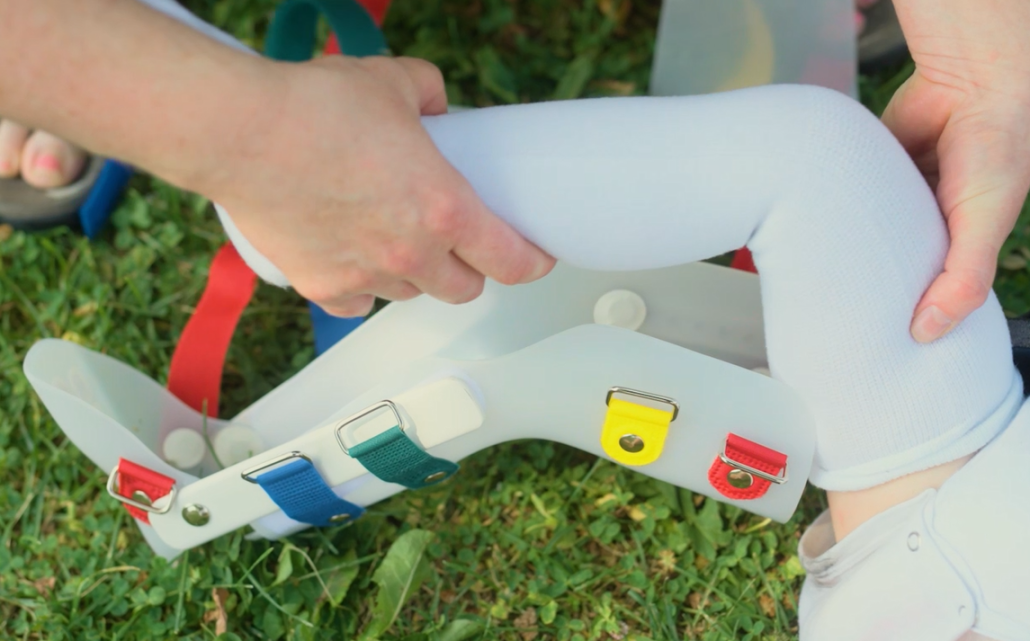
A lower limb orthosis is a custom brace that supports your child’s foot, ankle, or leg. It guides movement, improves alignment, and gives extra stability. Many kids wear them to help with balance, walking patterns, or muscle weakness.

These braces sit inside or around the shoe. That means the shoe is not just a fashion choice. It is part of the support system. When the shoe and brace work well together, your child can walk, run, and play for longer with less pain.

When the shoe does not match the orthosis, small problems show up fast. You might see your child trip more, complain about tightness, or refuse to wear the brace at all. Often, the shoe is too shallow, too narrow, or too soft to hold the brace in place.

Good shoes do three big jobs:

  • Make space for the brace and the foot.
  • Support the brace so it can work correctly.
  • Keep your child safe and comfortable during daily activities.

Once you understand the brace your child wears, it becomes easier to know what kind of shoe works best.

Quick overview of common lower limb orthoses for kids

Here are some of the most common lower limb orthoses and how they affect shoe needs.

AFOs (ankle foot orthoses):
These are tall braces that go around the lower leg and ankle, then under the foot. They help with posture, foot clearance, and stability. AFOs usually need shoes with extra depth, a wide opening, and a firm, supportive sole.

SMOs (supramalleolar orthoses):
These braces sit just above the ankle bones and wrap around the foot. They help with balance and keep the foot from rolling in or out. SMOs can often fit into regular shoes, but parents still need a roomy toe box and enough width.

KAFOs (knee ankle foot orthoses):
These braces run from the thigh or knee all the way down to the foot. They give strong support to the knee and ankle. Because the brace is tall and sturdy, the shoe needs solid support, good traction, and plenty of room at the foot.

Foot orthotics or inserts:
These are custom insoles that sit inside the shoe. They can support arches, heel position, or pressure points. They often fit inside standard shoes, but you may need to remove the factory insole and choose a shoe with enough depth and a firm heel.

Each type of brace changes how the foot and leg move. Shoes that are too soft, too shallow, or too tight can fight against the brace instead of helping it.

How the wrong shoes can cause pain or problems

When shoes do not match the orthosis, problems show up in small ways at first.

You might notice:

  • Rubbing where the shoe hits the brace.
  • Red marks on the skin after a short time.
  • Toes pressing into the front of the shoe.
  • The brace not sitting all the way down into the heel.
  • The shoe slipping off when your child walks.

Over time, these issues can grow into bigger concerns. Squeezed toes can lead to blisters or calluses. Constant rubbing can cause skin breakdown or even open sores. Poor traction can lead to falls. If every step hurts, your child will walk less and tire faster.

Many children cannot always explain pain in clear words. They might say the shoes feel “weird” or they simply refuse to wear them. When that happens, it is often a sign that something in the shoe or brace fit is off.

Taking the time to find a better shoe match protects your child’s skin, joints, and energy.

Benefits of choosing the right shoes for your child’s orthosis

When the shoe works well with the brace, daily life feels smoother.

Parents often notice:

  • Better comfort and fewer complaints.
  • A more stable, confident walking pattern.
  • Fewer trips, slips, and falls.
  • Less time wrestling shoes on and off.

Kids may stand taller, move more freely, and join in more activities. They are also more likely to wear the brace as recommended, which supports long term progress.

Good shoes will not fix every challenge, but they can remove a lot of friction from your day and your child’s day.

Key Features to Look For in Shoes That Fit Over a Lower Limb Orthosis

You do not need to be a shoe expert to shop well. Focus on a few key features that you can see and feel in the store or in product photos.

Extra depth, width, and a roomy toe box for the brace and toes

An orthosis takes up space. If the shoe is too shallow or narrow, something gets squeezed, usually your child’s toes.

Look for:

  • Extra depth: The top of the shoe should not press hard on the brace. When the shoe is on, you should not see the brace outline pushing up strongly against the upper.
  • Extra width: The sides of the shoe should not bulge outward around the brace. If the material looks stretched, you likely need a wider size.
  • Roomy toe box: This is the front part of the shoe where the toes sit. Your child should be able to wiggle their toes. They should not hit the front of the shoe when they stand or walk.

If available, try wide or extra wide sizes. These allow the brace and foot to sit more naturally without pressure.

Firm heel counter and supportive sole for stability

The heel counter is the stiff cup around the back of the heel. It should feel firm when you press it with your fingers, not floppy or collapsible. This helps hold the brace steady and prevents the foot from sliding around.

The sole should offer support and grip:

  • Try to twist the shoe with your hands. It should not twist easily in the middle.
  • Bend the shoe. It should bend at the toes, not in the middle of the arch.
  • Check the bottom. Look for tread that gives traction on wet or smooth surfaces.

A supportive sole works together with the brace to keep your child stable and safe.

Easy entry designs: wide openings, zippers, and adjustable closures

Getting a brace into a tight shoe opening can feel like trying to park a van in a tiny garage. A wider opening makes life much easier.

Helpful features include:

  • A tongue that opens wide or a front that folds down.
  • Zippers that run down the side or front to the midfoot.
  • Removable insoles that create more space.
  • Adjustable closures, such as Velcro straps or laces.

Velcro straps are quick and simple, great for younger kids or busy mornings. Laces can give a more precise fit and allow you to loosen the front more for entry, then tighten where needed. Some families like a mix: laces for fit, side zipper for daily on and off.

Lightweight materials and breathable comfort for all day wear

Orthoses already add some weight. A heavy shoe can make your child feel tired sooner.

Look for:

  • Lightweight uppers, such as mesh with some structure or soft leather.
  • Breathable materials that let air in and out to reduce sweating.
  • Soft linings with few seams inside the shoe.

Run your hand inside the shoe. If you feel rough stitching, hard edges, or thick seams, those spots may rub against the brace or skin.

A lighter, softer shoe helps your child move more freely and reduces hot, sweaty feet.

When to remove the insole or use a different insert

Many kids who wear AFOs or other tall braces need more space inside the shoe. Removing the factory insole is a simple way to gain extra room.

General tips:

  • Try the shoe with the insole in first. If the brace feels tight, remove the insole and try again.
  • Do not add extra inserts under the brace unless your orthotist or therapist suggests it. Too many layers can change the fit and support.
  • If your child uses a separate foot orthotic, ask whether it goes under the brace, inside the brace, or in place of another insert.

When in doubt, keep things simple and ask your care team before stacking inserts.

What Types of Shoes Usually Work Best With a Lower Limb Orthosis?

Different styles of shoes can work with braces, as long as they have enough space and support. The best choice often depends on your child’s daily activities, school dress code, and local weather.

Everyday sneakers that fit over AFOs and other braces

Athletic style sneakers are often the easiest place to start. Many brands offer deeper, wider models with good support.

Helpful sneaker features:

  • Firm heel counter and supportive sole.
  • Removable insole to create more depth.
  • Wide or extra wide size options.
  • Roomy toe box.

Bring the brace to the store and try the shoe with it. Some parents find that one or two specific models work well, and then they just buy the next size up as their child grows.

Sneakers are usually a good match for playground time, therapy sessions, and everyday wear.

School shoes and dress shoes that still support the brace

School uniforms, concerts, or weddings can make shoe choice tricky. You may need something that looks “dressy” but still works with the brace.

Options to consider:

  • Plain black or neutral colored sneakers with a simple design.
  • Wide fit dress shoes with Velcro straps or adjustable buckles.
  • Loafers with extra depth and a firm heel, if they open wide enough.

Be cautious with:

  • Very stiff leather shoes that cannot open wide.
  • Narrow pointed toes that squeeze the forefoot.
  • Slip on styles that do not stay on well with the brace.

If your child must wear dark shoes, ask the school if a more supportive sneaker is allowed, as long as it is the right color.

Sandals, summer shoes, and options for warm weather

When it is hot outside, you may wonder if your child can wear sandals with their orthosis. The answer depends on the brace design and your therapist’s advice.

In general, safer choices include:

  • Closed toe, closed heel sandals with strong straps.
  • Sandals that open wide and have a firm sole.
  • Back straps that hold the heel in place.

Loose flip flops or slides are usually not a good match with braces. They offer little support, and the foot can slip off the brace.

Some children still do best with lightweight, breathable sneakers in summer. Others can use sandal style shoes made to fit over AFOs. Ask your orthotist if you are unsure.

Boots and winter shoes that work with braces

Cold and wet weather adds another layer of challenge. You want warm, dry feet, but tall or heavy boots can be hard to pair with braces.

Look for boots with:

  • Wide openings, zippers, or laces that go low enough to fully open.
  • Enough depth and width for the brace.
  • Good traction for snow, ice, or rain.

Be cautious with:

  • Very stiff boots that limit movement.
  • Heavy boots that make lifting the leg harder.
  • Tops that rub against the upper edge of the brace.

Have your child walk a bit in the boots and watch for any rubbing at the top of the orthosis or at the heel.

When specialty or adapted shoes might be worth it

Some families struggle to find any regular shoe that fits over the brace. In that case, specialty or adapted shoes can be worth a look.

These shoes are designed with:

  • Extra depth and width.
  • Wider openings for easier donning.
  • Strong support to match brace use.

They can cost more than standard shoes. In some areas, insurance or funding programs help cover part of the cost. Before you invest, talk with your orthotist or physical therapist. They can tell you if specialty shoes are needed or if a different regular shoe might work.

How to Shop for and Fit Shoes Over Your Child’s Lower Limb Orthosis

Once you know what to look for, the next step is putting it into practice in the store or at home.

Always bring the brace, socks, and old shoes to the fitting

Whenever you shop for new shoes, bring:

  • The actual orthosis your child wears.
  • The socks they will use with it, ideally long and not too thick.
  • The current shoes that fit best, even if they are worn out.

The old shoes help you compare sizes and see how much room you had before. The brace and socks let you test real life fit, not just bare feet.

If your child cannot stand for long, that is okay. You can check many things while they sit. Then have them take a few supported steps to see how the shoe feels in motion.

Step by step: how to put the shoe on over the orthosis

Here is a simple sequence that often helps:

  1. Put the sock on smoothly, with no wrinkles.
  2. Apply the orthosis as your provider taught you, and fasten its straps.
  3. Open the shoe as wide as possible. Loosen laces fully or open all Velcro straps.
  4. Slide the toes of the brace and foot into the front of the shoe.
  5. Gently rock the heel downward until it seats in the back.
  6. Tighten the shoe from the toes toward the ankle, snug but not tight.

If the heel will not sit all the way down, remove the insole and try again. Sometimes you need to loosen laces more than you think.

Fit check: how to know if the shoe and brace work well together

Once the shoe is on, do a quick checklist:

  • The heel is fully seated in the back of the shoe. No gap where you can slide a finger down behind the brace.
  • The sides of the shoe look smooth, not bulging out around the brace.
  • Your child’s toes do not press against the front. Ask them to wiggle their toes.
  • Straps or laces are snug, but not cutting into the brace or skin.
  • The shoe stays on when your child walks, without slipping off or twisting.

If possible, have your child walk on different surfaces for a few minutes. Later, check the skin after 15 to 30 minutes of wear. Light pink marks that fade quickly can be normal. Deep red spots that stay, or any blister, mean something is rubbing or too tight.

Online shopping tips and return policies for orthosis friendly shoes

Many parents buy shoes online to avoid long trips and meltdowns in the store. This can work well with a bit of planning.

Helpful online tips:

  • Check size charts and measure your child’s foot at home.
  • Read reviews. Look for mentions of AFOs, braces, or wide fit.
  • Look for brands that offer wide and extra wide options.

Always check the return and exchange policy before you buy. Orthosis friendly shoes often take a few tries. Free returns or easy exchanges reduce stress and cost.

When the shoes arrive, test them at home with the brace on, just as you would in a store.

When to ask your orthotist or therapist for shoe advice

You do not have to figure this out alone. Your child’s orthotist and physical therapist are great resources.

They can:

  • Suggest brands or models that work well with your child’s type of brace.
  • Show you how the brace should sit inside the shoe.
  • Adjust the brace if the fit is almost right but not quite comfortable.
  • Help you decide if specialty shoes are a good idea.

Bring the shoes, brace, and any questions to your next appointment. Photos of how the shoes look on your child can also help them give better advice.

Conclusion

The right shoes can turn a lower limb orthosis from “one more battle” into a helpful tool your child actually uses. When shoes fit well over the brace, your child gains comfort, stability, and confidence with every step.

You now know the basics: what lower limb orthoses are, why shoe choice matters, which features to look for, and how different types of shoes can support everyday life, school, summer, and winter. You also have simple steps to check fit and practical tips for both in store and online shopping.

There may still be trial and error. That is normal. With each pair you try, you learn what works better for your child’s feet and brace.

If you feel stuck, reach out to your child’s orthotist or therapist. They want your child to move, play, and live with less pain and more freedom. The right shoes are a big part of that story.

Disclaimer:

OPSB products should be used under the guidance of a qualified healthcare professional. Individual results may vary. Please consult your pediatrician or orthopedic specialist for professional advice. This article is for informational purposes only and does not constitute medical advice. Always follow your doctor’s recommendations and instructions.

MAM-MM-142
https://family.opsb.com/wp-content/uploads/sites/2/2026/03/Copy-of-Shoes-that-Fit-an-Orthotic-e1775842991615.png 990 1080 mhoff /wp-content/uploads/sites/2/2026/03/family-resource-hub-logo.png mhoff2026-03-13 21:35:542026-04-10 17:43:42What Shoes Can My Child Wear With Their Lower Limb Orthosis?

What Happens in a Pediatric Lower Limb Orthotic Evaluation?

Your child has been referred for a pediatric lower limb orthotic evaluation, and your mind is racing. Will it hurt? How will your child react? What actually happens during this visit?

An orthotic is a custom brace or device that supports your child’s legs, feet, or ankles. It might be recommended for things like flat feet, toe walking, cerebral palsy, knock knees, frequent tripping, or after an injury or surgery. The goal is simple: help your child move with more comfort, safety, and confidence.

This guide walks you step by step through what happens before, during, and after the evaluation. You will learn how long it might take, what your child will experience, and how you can support them at every stage. By the end, you will know what to expect, what to ask, and how to help your child feel calm and ready.

Step-by-Step: What Happens During a Pediatric Lower Limb Orthotic Evaluation

The evaluation usually takes between 45 and 90 minutes. It may feel long, but most of that time is conversation, gentle checks, and watching your child move.

Here is what typically happens.

First steps: history, questions, and getting to know your child

After check in, you go to a room or open clinic space. The orthotist or clinician introduces themselves, often at your child’s eye level, and starts with a friendly chat.

They will ask you about:

  • Your child’s medical history, including diagnoses like cerebral palsy, autism, or muscle conditions.
  • Birth history, if relevant, such as prematurity or a long NICU stay.
  • Past surgeries, injuries, or hospital stays.
  • Therapies your child receives, such as physical or occupational therapy.

They also want to know about everyday life:

  • When your child first sat, crawled, and walked.
  • How often your child trips, falls, or complains of pain or tired legs.
  • Whether your child avoids stairs, long walks, or playground activities.
  • What you have noticed about their feet, for example very flat arches or toe walking.

They may ask your child, “What do you like to do?” or “Does anything feel sore when you run?” This turns the visit into a team effort, not just a parent report.

This part often feels like a long conversation. It is your chance to share your worries and your hopes: “I want her to keep up with her classmates,” or “I want him to be able to play soccer without pain.”

Physical exam: looking at posture, strength, and range of motion

Next, the clinician looks at how your child’s body is aligned and how the joints move.

They may ask your child to:

  • Stand, feet apart, while they look at posture from the front, side, and back.
  • Lie on a table, so they can move the legs, ankles, and feet.

With gentle hands, the clinician will:

  • Bend and straighten the hips, knees, and ankles.
  • Turn the feet inward and outward.
  • Check if certain muscles are tight or loose.
  • Look at leg length, foot shape, and the arch height.
  • Check the skin for redness, calluses, or pressure areas.

Strength checks often feel like games:

  • “Push my hand away with your foot.”
  • “Pull your toes up like you are trying to touch your nose.”
  • “Keep your leg strong while I try to push it down.”

Most children do not feel pain during this part. Some stretches may feel odd or slightly uncomfortable, especially if your child is very tight or stiff. You can stay close, hold your child’s hand if needed, and remind them they can speak up.

Gait analysis: watching how your child walks, runs, and stands

After the exam on the table, the team watches how your child moves.

Your child may be asked to:

  • Walk barefoot across the room or down a hallway.
  • Walk in their usual shoes.
  • Sometimes, run or go up and down a short step.

The clinician watches from the front, side, and behind. They pay attention to:

  • How the feet land, heel first or on the toes.
  • Whether the ankles roll in or out.
  • If the knees turn in (knock knees) or out.
  • How the hips and trunk move.
  • Whether one side of the body works harder than the other.

Some clinics use:

  • Video cameras, to record and review movement.
  • A pressure mat on the floor, which shows where weight is placed.
  • Markers or stickers on the legs, to track joint movement on screen.

To your child, this usually feels like walking back and forth for a “walking movie” or a “superhero test,” not a medical test.

Measurements, casting, and 3D scans for custom orthotics

If the team decides that an orthotic would help, the next step is to capture the exact shape of your child’s legs or feet.

They may use:

  • Soft tape measures, to measure around the ankle, calf, and foot.
  • Foam box impressions, where your child steps into a soft foam tray to leave a footprint.
  • Plaster casting, where wet plaster strips or socks are wrapped around the foot and ankle, then gently removed once dry.
  • Digital 3D scans, using a handheld scanner or camera that sweeps around the foot.

All of these methods are painless. Many children think the casting part feels like an art project or a science experiment. The only hard part is staying still for a few minutes.

The clinician guides your child into the right position, often with the knee bent and the foot held in a neutral place. This helps create a brace that supports the foot in the best way.

Discussing the plan: types of orthotics and what happens next

Before you leave, the orthotist explains what they found and what comes next.

They will talk about:

  • Whether your child needs an orthotic now or just monitoring.
  • What type of device they recommend and why.

Common lower limb orthotics include:

  • AFOs (ankle foot orthoses), which support the foot and ankle, and sometimes help control knee movement.
  • SMOs (supramalleolar orthoses), shorter braces around the ankle, often used for flat feet or ankle instability.
  • Foot orthotics or insoles, which sit inside shoes and support the arch or heel.
  • Knee orthoses, which help guide knee position or protect the joint.

They will also explain:

  • How long it takes to make the device, often 2 to 4 weeks.
  • When you return for the fitting appointment.
  • How often your child will need follow-up visits.

Ask how the orthotic fits into physical therapy, school, and sports. For example, “Should my child wear this in gym?” or “Will the therapist need to change exercises once we have the brace?”

You leave with a clear plan, not a mystery.


Conclusion: Helping Your Child Move with Comfort and Confidence

A pediatric lower limb orthotic evaluation may sound intimidating at first, but it is really a careful, thoughtful process focused on your child’s comfort and function. The visit usually includes a detailed conversation about your concerns, a gentle physical and gait exam, measurements or scans if an orthotic is needed, and a clear plan for what happens next.

You are not just a bystander in this process. You are a key part of the team. Your observations at home, your questions, and your child’s feedback guide every decision.

With early support, many children walk more steadily, join in more activities, and feel more confident in their bodies. If you have noticed frequent falls, toe walking, balance problems, or pain, consider reaching out to your pediatrician or local orthotic clinic.

Your child’s steps matter, one by one. With the right information, the right team, and the right support, those steps can become safer, stronger, and more free.

Disclaimer:

OPSB products should be used under the guidance of a qualified healthcare professional. Individual results may vary. Please consult your pediatrician or orthopedic specialist for professional advice. This article is for informational purposes only and does not constitute medical advice. Always follow your doctor’s recommendations and instructions.

MAM-MM-140

https://family.opsb.com/wp-content/uploads/sites/2/2026/03/1X6A1617-scaled.jpg 1707 2560 mhoff /wp-content/uploads/sites/2/2026/03/family-resource-hub-logo.png mhoff2026-03-13 21:29:562026-03-13 21:47:42What Happens in a Pediatric Lower Limb Orthotic Evaluation?

Patrick’s Cranial Helmet Journey

https://family.opsb.com/wp-content/uploads/sites/2/2026/03/patricks-cranial-helmet-journey-5.jpg 1080 1920 mhoff /wp-content/uploads/sites/2/2026/03/family-resource-hub-logo.png mhoff2026-03-10 03:44:022026-04-03 16:53:11Patrick’s Cranial Helmet Journey

Understanding Clubfoot: Treatment Options and Care for Your Child

Clubfoot means a baby is born with a foot or both feet turned inward. This common condition makes it hard for kids to stand or walk the usual way. With the right treatment, most children grow up able to run, play, and join in all the fun life offers.

Parents often feel worried after hearing the word “clubfoot,” but you are not alone. Doctors understand clubfoot well and many helpful treatments are available. Learning about these treatments can help families feel informed and hopeful as they get their child the care they need.

Treatment Options for Clubfoot

Once clubfoot is diagnosed, families start to look at what can be done to help their child’s foot get into a corrected position and become stronger. There are a few main treatment options, each with its own steps and reasons. Getting familiar with these choices lets parents feel more in control and ready for what comes next.

The Ponseti Method

The Ponseti Method is the most common and consider the gold standard of clubfoot treatment around the world. Doctors use it for most babies as soon as possible after birth.

Here’s what happens with the Ponseti Method:

  1. Gentle Stretching – The doctor or a trained medical professional gently moves the baby’s foot into a more natural position. This is done by hand, never forced, and should not hurt the baby.
  2. Casting – After stretching, a cast is put on the foot and leg. The cast helps the foot maintain the improved position. Each week, the cast comes off and a new one goes on, with a little bit more improvement gained each time. This usually lasts for 5 to 8 weeks.
  3. Minor Procedure – In most cases, a small procedure is needed to loosen a tight tendon in the back of the ankle (the Achilles tendon). Doctors call this a tenotomy. It is quick, and babies heal fast.
  4. Bracing – Right after the last cast, the baby wears a special brace (also known as boots and bar). The brace keeps the foot in the correct position while the child grows. At first, the brace stays on about 23 hours each day, then just at night and naps for several years to stop clubfoot from recurring.

The Ponseti Method works well for most babies because it is gentle, does not require big surgery, and lets kids use their feet normally as they grow. Doctors pick this method first because it has a high success rate, low risk, and helps most children avoid surgery.

French Functional Method

Some families and doctors choose a different path called the French Functional Method. This approach uses hands-on physical therapy instead of repeated casting and is only available in certain locations.

With the French Method:

  • A trained therapist stretches and moves the baby’s foot every day.
  • Tape and soft splints hold the foot in a better position following therapy.
  • Family members learn how to do some of the stretches at home between visits.
  • Therapy sessions often happen 3 to 5 times a week for several months.

The French Functional Method can work well when the doctors and therapists are trained and experts in this method. It is best when families are motivated and can come to therapy often. Over time, this method can help the foot grow straighter by teaching muscles and joints to move in healthier ways.

Parents choosing this option can expect a lot of at-home work and a strong partnership with their therapy team. If the foot is not improving as hoped, sometimes doctors will switch to the Ponseti Method partway through care.

Surgery for Clubfoot

Surgery used to be the main way doctors treated clubfoot, but this has changed. With better results from the Ponseti and French methods, surgery is now a backup plan.

Doctors think about surgery when:

  • The foot is very stiff and will not straighten after casting or therapy.
  • Clubfoot returns after earlier treatment.
  • The child is older and did not get treatment as a baby.

Clubfoot surgery can mean a few different things. Sometimes, it’s a small procedure to release a tight tendon. Bigger surgeries can involve moving or lengthening muscles, tendons, or even cutting bones. These surgeries help bring the foot into a better position but sometimes lead to stiffness, pain, or trouble moving the foot as the child grows.

Doctors only recommend major surgery when other treatments do not help. Today’s approach is to avoid surgery when possible, as gentle early treatments give most kids the best chance for strong, flexible feet.

Clubfoot Baby Treatment: Best Practices

After a diagnosis, the focus shifts to how to help babies with clubfoot grow and develop as normally as possible. Early and proper treatment sets kids up to walk, run, and play with little or no limits. Parents often feel overwhelmed at first, but clear steps and steady routines can make a big difference for newborns facing clubfoot and parents first learning about the diagnosis.

Early Treatment Timing

Treating clubfoot works best when started soon after birth. The first days and weeks are when babies have very soft bones and tissues, so gentle corrections are easier and cause less discomfort. Starting early also keeps babies on track with their movement milestones.

Doctors usually begin treatment in the first one or two weeks of life. If clubfoot goes untreated, the foot becomes stiffer and harder to correct over time, which might lead to more complex treatments later.

Key Steps in the Ponseti Method

The Ponseti Method has become the main way doctors treat clubfoot. It is known for being gentle, safe, and highly effective. Parents play a huge part in making it a success. Here are the main steps, explained in simple terms:

  1. Stretching and Casting
    • Doctors or medical professionals stretch the baby’s foot very gently.
    • They place the foot in a cast from toes to thigh to hold it in a better position.
    • A new cast is applied every week (for 5 to 8 weeks), each time making the foot a bit straighter.
  2. Small Procedure (Tenotomy)
    • Many babies need a quick procedure to release the tight tendon at the back of the ankle.
    • This is done in the clinic under local pain medicine, and babies recover quickly.
  3. Bracing
    • Right after casting, babies wear special boots connected by a bar.
    • In the first months, the brace stays on almost all day (about 23 hours).
    • Later, the brace is worn during sleep for several years to keep the foot from turning back in.

These steps allow the baby’s foot to reshape and grow like a healthy foot. Skipping or shortening these steps can cause clubfoot to return.

What Makes Treatment Successful

Success in clubfoot treatment often comes down to simple, steady steps at home. Parents become the most important team members. Here are some best practices for making sure treatment works:

  • Stick to the schedule: Always keep appointments for new casts and checkups.
  • Use the brace as directed: Follow the doctor’s orders for when and how long to wear the brace.
  • Watch for problems: If the brace leaves red spots, causes pain, or seems too tight, call your care team.
  • Practice gentle stretching at home: Some doctors ask families to do easy stretches with the baby’s foot.

Kids are naturally curious and often pull at their braces, but families who stay patient and consistent see the best long-term results.

The Role of Family and Care Teams

Ongoing communication between the family and the care team helps keep treatment on track. Doctors, nurses, and therapists support parents with advice, coaching, and help if problems pop up. Parents often become experts in their child’s care and learn to spot small changes before they become bigger issues.

Families can ask questions like:

  • How do I know if the cast or brace is too tight?
  • What should I do if my child’s foot starts to turn in again?
  • How can I make brace time easier for my baby?

Reliable, open communication supports a child’s journey from treatment to healthy, active play.

At-Home Tips for Comfortable Treatment

Many parents worry about keeping their baby comfortable during treatment. While babies often adjust quickly, a few tips help make casts and braces easier for both baby and family:

  • Use roomy pants or stretchy leggings to fit over the cast
  • Use soft, moisture wicking socks under the brace to prevent rubbing.
  • Keep skin clean and dry to avoid irritation.
  • Distract your baby with soothing music or playtime during brace changes.
  • Stick to a bracing routine, especially a consistent bedtime, that way your baby has an expectation for when the BnB will be worn.

Each family’s day-to-day life looks different, but small changes to routines can add up for comfort and success.

Tracking Progress and Follow-Up

Regular follow-up visits let your care team watch your child’s progress and catch problems early. Most families visit the clinic several times in the first year, then less often as the child gets older.

Here’s a sample timeline for clubfoot check-ins:

StageClinic Visit Frequency
Serial CastingEvery week
Transition to BracingEvery 1-3 months
Ongoing BracingEvery 3-6 months

Seeing steady improvement with each visit builds both parent and child confidence in the treatment process. Parents may want to keep notes about brace time, skin changes, or anything that feels off—this helps guide each appointment.

With early action, partnership, and a steady routine, nearly all children treated for clubfoot go on to walk, run, and keep up with their peers. Treatment is a journey, but every step forward adds more hope and strength to a child’s future.

Follow-up Care and Long-term Outcomes

Treatment for clubfoot does not finish when the last cast comes off or when bracing slows down. Ongoing care gives kids the best chance at a healthy, active life. By following up with your care team and sticking with a long-term plan, you build strong habits that protect your child’s progress. Let’s look at what families need to know about follow-up visits and how clubfoot care shapes a child’s future.

Importance of Consistent Follow-Up

Regular check-ins with your doctor are key for clubfoot care. The risk of the foot turning inward again is highest in the early years. Sticking to follow-up visits helps catch any signs of relapse early and adjust treatment if needed.

During these visits, your care team might:

  • Check the foot’s position and flexibility
  • Look for any areas of skin breakdown from bracing
  • Review how often and how long the brace is being worn
  • Talk with you about changes in walking or play

A simple delay in these visits can lead to bigger problems later, so building them into your family’s life is important.

Signs to Watch For at Home

You know your child better than anyone else. You see changes before anyone else does. Keep an eye out for these warning signs between check-ups:

  • The cast starts to slip off and the toes “disappear” back into the cast
  • The foot starts to twist inward again
  • Red spots, blisters, or sores from the brace
  • Limping, tripping, or changes in the way your child walks
  • Complaints of pain or stiffness

If you spot any of these, inform your doctor. Quick action can lead to easy fixes instead of bigger setbacks down the road.

Supporting Growth and Activity

Kids treated for clubfoot want to keep up with their friends at school and on the playground. Most can run, play sports, and do what other children do. Families help young children build confidence by encouraging active play and healthy movements.

Here are some easy tips:

  • Let your child walk and play barefoot at home sometimes. It builds strong foot muscles.
  • Pick shoes that fit well and support the foot, ask your care team for specific recommendations.
  • Cheer for every new skill, from walking to climbing to jumping.

Some children need special stretches or exercises as they grow. Your care team will show you what to do at home if needed.

Preventing Relapse

Even after early treatment, clubfoot can return. This is called a relapse. Almost all relapses happen because the brace is not used as much as needed in the early years. Staying on track with bracing and follow-ups keeps relapse rates low.

Ways to prevent relapse:

  • Use the brace every night and nap, as your doctor advised, for the full length of time
  • Make brace-wearing part of bedtime and nap routines
  • Talk openly with your child as they get older and let them help choose socks or stickers for their brace

If relapse happens, many cases can be treated with more casting or gentle stretching. Rarely, a minor surgery is needed. Quick action makes recovery much easier.

Long-term Outlook for Children with Clubfoot

With modern treatments like the Ponseti Method, the long-term outlook for children with clubfoot is bright. Most children grow up with feet that function almost like anyone else’s. Some may have minor differences such as a slightly smaller calf or a foot that is not as flexible, but these rarely slow them down.

Here is how long-term outcomes look for most children treated for clubfoot:

OutcomeWhat Families Can Expect
Walking/RunningNormal for almost all children
Playing sportsNo limits for most kids
Pain or stiffnessRare with early and steady care
Shoe choicesIn rare cases special shoes
Recurrence riskLow when bracing is followed

Your partnership with doctors, steady routines, and belief in your child’s strength will make a big difference in long-term results. Every family’s journey is unique, but strong follow-up care gives the best chance for active, happy years ahead.

Conclusion

Early action gives children with clubfoot the best chance for healthy, happy lives. Modern treatments like the Ponseti Method help most kids walk, run, and play with their friends. The key steps: diagnosis, gentle stretching or casting, and steady follow-up—build a strong path to success.

Families who work closely with their care team see real progress. Every step taken, from that first cast to the last brace, leads to more freedom and confidence. Clubfoot may feel overwhelming at first, but hope and progress go hand in hand for families who seek help early.

Thank you for taking the time to learn about clubfoot and its treatment. If your child has been diagnosed, know that you are not alone and that support is always available.

Disclaimer:

OPSB products should be used under the guidance of a qualified healthcare professional. Individual results may vary. Please consult your pediatrician or orthopedic specialist for professional advice. This article is for informational purposes only and does not constitute medical advice. Always follow your doctor’s recommendations and instructions.

IAM-MM-046

https://family.opsb.com/wp-content/uploads/sites/2/2026/02/Hoff_Consulting_038-scaled.jpg 2560 1707 mhoff /wp-content/uploads/sites/2/2026/03/family-resource-hub-logo.png mhoff2026-03-06 18:55:512026-03-06 18:55:54Understanding Clubfoot: Treatment Options and Care for Your Child

A Parent’s Guide to Treatment Options for Hip Dysplasia in Infants

At a routine checkup, you notice your baby’s thigh folds don’t line up, or the hips feel stiff when the nurse moves their legs. Your mind jumps to big worries and you start searching for clear answers.

Hip dysplasia in infants means the hip joint doesn’t form as it should, so the ball of the thigh bone doesn’t sit snug in the socket. Common signs include a soft clicking sound in the hips, uneven creases in the thighs, or one leg that looks a bit shorter. Some babies also have limited hip movement.

It’s more common than it sounds, affecting about 1 in 1,000 babies, and early detection helps prevent long-term problems like pain and arthritis. Most cases are found in the first months, when treatment is gentlest and recovery is most effective.

In this guide, you’ll learn the main treatment options for hip dysplasia in infants, from soft-positioning devices like the Pavlik harness to braces, closed reduction with a cast, and surgery when needed. With prompt care and good follow-up, most babies recover fully and go on to crawl, walk, and play without limits.

Non-Surgical Treatments: Gentle Options for Early Intervention

Early treatment steers the hip into a healthy position while bones and soft tissues are still flexible. Most babies respond well to soft braces that guide the ball into the socket without surgery. Care is team-based, with an orthopedic specialist fitting the device, nurses teaching daily care, and regular imaging checks, usually ultrasounds at first, then X-rays as the bones harden.

These methods protect normal growth, reduce pain later in life, and often prevent the need for surgery. With good fit and consistent use, success rates are high.

How the Pavlik Harness Works and What to Expect

The Pavlik harness is a soft brace with straps around the shoulders and legs. It holds the hips flexed and gently turned out, often described as a relaxed frog-like position. This keeps the femoral head centered in the socket so the joint can mold into the right shape.

  • Ideal timing: Best for newborns and infants under 6 months.
  • Wear schedule: Usually 24/7 for 6 to 12 weeks, then gradual weaning as advised.
  • Monitoring: Regular clinic visits every 1 to 3 weeks for strap adjustments and skin checks, plus ultrasounds to confirm the hip stays centered.
  • Success: Over 90% when started early and worn as prescribed.

Daily life looks different at first, but it becomes routine. Use these practical tips to keep your baby comfortable and on track:

  • Diapering: Place the diaper under the straps. Use one diaper layer only, keep the hips wide, and avoid pulling legs together.
  • Clothing: Choose loose, wide-bottom pants or sleep sacks. Skip tight onesies.
  • Skin care: Check skin under straps daily for redness, swelling, or blisters. Pat dry after any moisture. Call the clinic if redness lasts longer than 30 minutes.
  • Bathing: Most babies cannot remove the harness for baths early on. Use sponge baths and gentle wipes. When the doctor allows breaks, follow the exact schedule.
  • Positioning: Hold your baby with hips apart. Use a soft carrier that supports a wide hip spread. Avoid swaddling with legs straight.
  • Soothing a fussy baby: Try side cuddles, gentle rocking, white noise, and contact naps. Short tummy time is okay only if your doctor says it is safe with the harness on.
  • Sleep: Back to sleep is still the rule. Use a firm, flat surface with no extra pillows.
  • Feeding: Feed in a semi-upright position with hips relaxed and apart.

What to expect over time:

  1. Fitting day: An orthopedic specialist sets the angles and teaches you how to handle diapering and clothing without loosening straps.
  2. Weeks 1 to 3: Frequent checks and ultrasound to confirm reduction. Mild fussiness is common as your baby adjusts.
  3. Weeks 4 to 8: Growth-based strap adjustments. Signs of progress on imaging. Babies usually adapt well and meet milestones like smiling and rolling to the side.
  4. Weaning phase: Fewer hours per day as the hip stabilizes. Your care team guides this step.
  5. After removal: Temporary stiffness or weaker hip muscles can occur. Short-term physical therapy and home exercises help rebuild strength and symmetry.

A quick note on results: Consistent wear drives success. If the harness is not worn as prescribed, the chance of full correction drops.

Other Bracing Devices: When Pavlik Isn’t Enough

If the Pavlik harness does not maintain hip position, or if the baby is closer to 6 months, doctors may recommend a more structured brace. Devices like the Ilfeld splint or the von Rosen splint are rigid and hold the hips in a set abducted and flexed position to keep the joint centered.

What sets these devices apart:

  • More structure: Firm bars or shells limit motion to maintain the correct angle.
  • Use cases: After a failed Pavlik trial, unstable hips that need stricter control, or older infants up to about 6 months.
  • Duration: Often 3 to 6 months, adjusted to growth and imaging results.
  • Monitoring: Clinic checks for fit and skin health. Ultrasound early on, then X-rays as the bones ossify.
  • Effectiveness: Non-invasive and often successful, with results around 80 to 85% in the right candidates.

Quick comparison for context:

DeviceStructureTypical AgeWear PatternUsual MonitoringReported Success
Pavlik harnessSoft strapsNewborn to <6 months24/7, then weanUltrasound, clinic checksOver 90% when early and compliant
Ilfeld splintRigid abduction barUp to ~6 monthsNear full-timeUltrasound then X-rayAbout 80–85%
von Rosen splintRigid frameUp to ~6 monthsNear full-timeUltrasound then X-rayAbout 80–85%

How to choose the next step:

  • Follow your specialist’s plan: Age, hip stability, and imaging guide the choice.
  • Prioritize fit and comfort: Proper padding, daily skin checks, and quick strap or bar adjustments prevent sores.
  • Stay consistent: Full-time wear, unless told otherwise, helps the hip mold and hold.

These braces keep treatment non-invasive and protect growth while giving the hip more control. With structured support and steady follow-up, many babies avoid surgery and go on to crawl and walk on time.

Surgical Treatments: Correcting Severe Hip Dysplasia

When bracing does not hold the hip in place, or when a baby is diagnosed after 6 months, surgery steps in as a safe next move. Procedures happen under general anesthesia with close monitoring. Teams at pediatric centers perform these operations often, with strong outcomes and low complication rates. Most hips stabilize well after treatment, and most children will walk normally.

Parents play a big role in recovery. You will help with cast care, pain control, and follow-up visits. Your care team will guide each step so you never feel alone.

Closed Reduction: A Less Invasive Surgical Approach

Closed reduction re-centers the hip without a cut on the skin. It is common for babies between 6 and 18 months when bracing is not working.

Here is how it usually goes:

  1. Sedation and anesthesia keep your baby comfortable and still.
  2. The surgeon gently moves the thigh bone into the socket while watching live imaging. This uses ultrasound in very young infants or X-ray in older babies.
  3. Once the hip sits in the right spot, a plaster or fiberglass spica cast is applied from the chest to the toes to hold the position.
  4. A final X-ray confirms the hip is stable in the cast.

What to expect after surgery:

  • Same-day or next-day discharge: Many babies go home the same day. Some stay one night.
  • Cast duration: Often 6 to 12 weeks, with a possible cast change at the midpoint as swelling goes down.
  • Pain management: Scheduled acetaminophen or ibuprofen as your team advises. Stronger medicine is rarely needed after the first day.
  • Skin and comfort: Keep the cast dry. Pad edges with soft tape. Check toes for warmth and color.
  • Position changes: Shift your baby every few hours to avoid pressure sores. Use pillows to prop the cast and keep hips supported.
  • Imaging and follow-up: Clinic visits and X-rays confirm the hip stays centered.
  • After cast removal: Some babies wear a night brace for several weeks to hold gains.

Family support matters:

  • Gear tips: A wide stroller, extra pillows, and a cast-friendly car seat make daily life easier.
  • Care team check-ins: Nurses and therapists can show diaper hacks, safe lifting, and sleep setups.
  • Reassurance: Closed reduction has high success and low risk. Most families settle into a steady routine within days.

Expected outcomes:

  • Over 95% of hips stabilize with timely treatment and follow-up.
  • We expect the children to walk normally and stay active without limits.

Risks are uncommon:

  • Infection is under 1%.
  • Cast sores, stiffness, or redislocation can occur, which your team checks for at each visit.

Open Reduction and Osteotomy: For Tougher Cases

Open reduction helps when the hip keeps slipping out, when tissue blocks the socket, or when closed reduction does not hold.

What happens in an open reduction:

  • The surgeon makes a 2 to 3 inch incision at the hip.
  • Soft tissue that blocks the joint, like tight ligaments or a thickened capsule, is removed or released.
  • The femoral head is placed into the socket and held with sutures or a small device if needed.
  • A spica cast keeps the hip stable during healing.

About osteotomy:

  • If the socket is shallow or the femur angle needs correction, the surgeon reshapes bone to guide the hip. This is called an osteotomy.
  • Pelvic osteotomy deepens or redirects the socket. Femoral osteotomy adjusts the thigh bone angle.
  • These are more common after age 1 ½  and are very rare in young infants.
  • Hardware like small plates or screws may be used and can be removed later if needed.

Care setting and safety:

  • These operations happen in specialized pediatric centers with teams trained in infant anesthesia and imaging.
  • Complication rates are low, and teams watch closely for swelling, bleeding, or nerve irritation.

Recovery and follow-up:

  • Hospital stay: Often 1 to 3 days for pain control, cast fitting, and parent teaching.
  • At home: Keep the cast clean and dry. Use sponge baths. Check skin daily. Maintain range of motion in free joints like knees and ankles.
  • Pain control: A short course of acetaminophen or ibuprofen works well for most babies.
  • Imaging: Regular X-rays track hip growth and position. Follow-up continues until age 5 to 10 to confirm normal development.
  • Long-term outlook: Early, accurate surgery lowers the chance of early arthritis and can reduce the need for a hip replacement in adulthood.

Key benefits you can count on:

  • Stable hips that grow in the right shape.
  • Strong function for crawling, walking, and play.
  • Low risk with careful technique and follow-up.

Short list of risks and how teams reduce them:

  • Infection under 1%, with antibiotics and sterile technique.
  • Stiffness, managed with cast planning and later therapy.
  • Redislocation, monitored with frequent imaging and precise casting.

Surgery sounds big, yet it is routine in children’s hospitals and guided by clear protocols. With the right plan and steady follow-up, most babies heal well, move well, and grow into active toddlers.

Follow-Up Care and Long-Term Outlook for Treated Infants

Treatment is only the first step. Strong follow-up keeps the hip stable as your baby grows and moves more. You will partner with a pediatric orthopedist for checkups, imaging, and a simple home routine. With steady care, most children reach milestones on time and stay active without limits.

Routine Checkups and Imaging

Expect regular visits so the care team can track hip growth and alignment. Frequency depends on age and treatment, but early follow-up is usually closer together.

  • First year after treatment: Visits every 3 to 6 months.
  • Toddler years: Visits every 6 to 12 months if hips remain stable.
  • School age: Yearly checks in some cases, especially after surgery.

Imaging confirms progress:

  • Ultrasound: Best for babies before the hip bones harden.
  • X-rays: Used once the bones ossify, often after 4 to 6 months.

A quick snapshot of typical follow-up:

TimeframeVisit FrequencyUsual ImagingFocus
First 6–12 monthsEvery 3–6 monthsUltrasound, then X-ray as bones hardenPosition, stability, growth
1–3 yearsEvery 6–12 monthsX-raySocket depth, alignment
4–10 yearsAs advisedX-ray if neededLong-term shape, function

Bring your questions and any photos or videos of your child’s walk or play. Small changes are easier to judge when the team can see them.

Therapy, Movement, and Daily Activities

Therapy is rarely needed after bracing or surgery. The baby will develop motion on her own, and build up strength as she progresses. If the baby is falling behind, which is not common, the doctor will assess that.

Simple home habits help:

  • Tummy time in short, frequent bursts.
  • Floor play with toys placed to both sides to encourage symmetry.
  • Squat-to-reach games once your child stands.

Activities to pause until cleared:

  • Jumping off furniture or steps.
  • Trampolines.
  • Wide straddle toys that force the legs too far apart.
  • Contact play that risks falls.

Ask your therapist for a short home plan. Two or three focused exercises a day make a real difference.

Signs to Watch For Between Visits

Most children do well. Still, call your care team if you notice any of the following:

  • Limping or toe-walking on one side after early walking starts.
  • Hip or groin pain, crying with diaper changes, or clear guarding.
  • Uneven leg lengths or new asymmetry in thigh creases.
  • Stiffness that limits diapering or dressing.
  • Clicking with pain or a hip that looks unstable.

Early calls prevent small issues from growing into big ones. Trust your instincts.

Long-Term Outcomes and What Parents Can Expect

The outlook is strong. With early diagnosis and proper treatment, most children develop normal hip function and play sports without limits. Many families see typical crawling by the first year, walking by 12 to 18 months, and steady progress after that.

What supports the best outcome:

  • Consistent brace or cast wear during treatment.
  • Scheduled follow-up with imaging.
  • A short course of therapy and a simple home routine.
  • Clear activity guidance during recovery.

Some children need longer follow-up into grade school, especially after surgery. This is a safety net, not a setback. It keeps growth on track and protects hip health for the long run.

Helpful Resources and Parent Support

You do not have to figure this out on your own. Reliable, parent-friendly resources offer education, guides, and community:

  • International Hip Dysplasia Institute (IHDI): Education, brace tips, success stories, and links to parent support groups.
  • Hospital-based pediatric orthopedic teams: Classes, nurse call lines, and therapy programs.
  • Local early intervention services: In-home support for movement and play.

Stay encouraged. Early treatment works, steady follow-up protects progress, and most treated babies grow into active kids with strong, pain-free hips.

Conclusion

Early detection through newborn screenings and well-baby visits sets the stage for success. Treatment options for hip dysplasia in infants range from the Pavlik harness and structured braces to closed reduction with a cast, then surgery for tougher cases. With prompt, guided care, success rates are high and most children develop strong, pain-free hips.

If you have any concern, call your pediatrician today and keep scheduled checkups. Share your experience in the comments and explore trusted resources like the International Hip Dysplasia Institute. This guide is educational, so always seek personalized advice from your medical team. Babies bounce back, and families overcome challenges together.

Disclaimer:

OPSB products should be used under the guidance of a qualified healthcare professional. Individual results may vary. Please consult your pediatrician or orthopedic specialist for professional advice. This article is for informational purposes only and does not constitute medical advice. Always follow your doctor’s recommendations and instructions.

MAM-MM-136

https://family.opsb.com/wp-content/uploads/sites/2/2026/03/5M1A4312.jpg 683 1024 mhoff /wp-content/uploads/sites/2/2026/03/family-resource-hub-logo.png mhoff2026-03-06 17:01:182026-03-11 18:03:17A Parent’s Guide to Treatment Options for Hip Dysplasia in Infants

Hip Dysplasia Bracing Options for Children: When Each Is Used

Many parents spot small signs like uneven leg folds or a slight limp before a routine check up with your child’s pediatrician, then learn their baby has developmental dysplasia of the hip or hip dysplasia, a condition where the ball does not sit deep in the hip socket.

Hip Dysplasia is common in newborns and often caught early with routine screening, like a gentle physical exam or an ultrasound. The good news is that many babies do well with non-surgical care like bracing. Bracing guides the ball of the femur bone into a safe, stable position so the hip socket can form the way it should.

In this article, you will learn the main bracing options and when doctors frequently use them. We will touch on the Pavlik harness for young babies, abduction braces used as children grow, and night-time braces that help hold progress after treatment. You will also see how age, hip stability, and follow-up scans shape each choice.

If you are searching for hip dysplasia treatment for babies, you are in the right place. We keep the terms simple, explain what to expect, and share generally how long bracing may last. Most important, you will see why starting early can help make treatment more effective.

Early bracing often sets the hip on a healthy path, and in many cases, can help prevent avoid surgery later.

What Causes Hip Dysplasia and Why Early Bracing Helps

Hip dysplasia happens when the ball of the femur, or thigh bone, does not sit snugly in the hip socket. In infants, the socket is shallow and soft, so a loose fit can let the ball slip out. If this continues, the socket does not deepen as it should, which can lead to dislocation and later joint problems.

Common causes and risk factors often stack together:

  • Family history of hip dysplasia
  • Breech position in late pregnancy or at birth
  • Being first born female
  • Tight swaddling with legs pressed straight

About 1 in 1,000 babies has hip dislocation at birth, and many more have mild instability. Doctors confirm suspected cases with a gentle physical exam and a follow up ultrasound in the first months of life.

Why bracing early works: a brace holds the legs in a comfortable, frog-like position, called abduction and flexion. This places the ball deep in the socket so the rim of the hip can mold around it. It is most effective in babies under 6 months, when bones are soft and can reshape quickly. Early treatment succeeds in many mild to moderate cases. For these babies, bracing is simpler, safer, and less stressful than surgery.

Signs to Watch For in Your Baby

Watch for small clues during daily care. Uneven leg creases, a hip that clicks during diaper changes, or one leg that does not open as wide as the other can be signs of hip dysplasia. In toddlers, look for a limp or toe walking on one side. Ask your pediatrician about screening at birth and again around 6 weeks, especially if your baby was breech or you have a family history. Most cases are treatable when caught early. Keep swaddles loose at the hips, place legs in a natural “M” shape, and follow up if something feels off.

Top Bracing Options for Treating Hip Dysplasia

Bracing holds the hip in a safe, stable position while the socket matures, allowing both the head of the femur and the hip socket to form correctly. The right bracing option depends on your child’s age, hip stability, and how the hip responds over the first weeks of care. Here is how the most used braces compare, when each is used, and what parents can expect day to day.

The Pavlik Harness: Best for Newborns

The Pavlik harness for hip dysplasia is the first choice for most infants from birth to about 6 months. It is a harness made of fabric with chest and leg Velcro straps that position the hips in 90 to 100 degrees of flexion and 40 to 60 degrees of abduction. This frog-like posture centers the ball in the socket so it can deepen and stabilize.

  • When it is used: Located but dis-locatable hips in newborns (positive Barlow). Dislocated hips with the hip still reducible (positive Ortolani).
  • How it is worn: Usually 23-24 hours a day for 6 to 12 weeks, then nights only for several weeks to hold progress.
  • Adjustments: The pediatric orthopedic surgeon sets strap lengths and checks them at each visit. Parents do not re-adjust unless told to.
  • Success: High success rates, often 80 to 95 percent in mild to moderate cases when started early.

Parent care responsibilities:

  • Skin care: Keep the straps dry. Gently clean skin under the straps at diaper changes if your team allows removal for brief care. Pat dry. Watch for redness at the shoulders or behind the knees. Alert your medical team if you identify any persistent skin issues that need to be addressed.
  • Diapers and clothing: Diaper under the straps. Use loose onesies and wide-bottom pants. Avoid tight swaddles. Keep legs in an “M” shape.
  • Monitoring: Follow all ultrasound or X-ray checks. Ask about signs of limited blood flow to the femoral head, called avascular necrosis. It is rare, and careful positioning lowers the risk. Make sure the baby can kick both knees.
  • Daily routine: Tummy time is still helpful. Use a rolled towel for support under the chest if needed.

Pros and cons:

  • Pros: Fabric, allows movement, higher success in young infants, no rigid bars.
  • Cons: Requires near-constant wear at first, regular clinic checks, strap care to prevent skin issues.

Quick trust boost: Many families see improvement on ultrasound within a few weeks. Early progress helps shorten total wear time.

Abduction Braces for Older Infants

When the Pavlik harness fails, or when a child is 6 to 18 months old, doctors often switch to a rigid abduction brace. These devices hold the hips out to the side and block adduction (knees touching), which keeps the hip centered.

Common types you may hear about:

  • Ilfeld splint- Holds the hips gently out to the sides and slightly bent to keep the ball securely positioned in the socket while it stabilizes.
  • PediHip™ Modular Abduction Bar- Connects both legs with an adjustable bar to maintain controlled hip positioning and alignment during healing or post-reduction care.
  • Rhino® Cruiser Brace- Uses a foam lined, rigid frame to keep the hips abducted while still allowing safe movement for comfort and daily activity.

Key differences from Pavlik:

  • Stiff vs. soft: These braces are rigid to control motion, which is helpful in older or more active infants.
  • Wear schedule: Often full-time for about 3 months, then part-time or nights only as the hip stabilizes.
  • Fitting: A pediatric orthopedic surgeon or orthotist sets angles and checks the fit. Expect follow-up X-rays to confirm the hip stays reduced.

Daily care and comfort:

  • Dress in soft layers to prevent rubbing.
  • Use a wider car seat and stroller setting when available. Many standard seats work fine if able to adjust straps.
  • For sleep, a wearable blanket, like a sleep sack, with extra hip room helps.
  • Encourage floor play in safe positions. Babies adapt quickly to the brace.

Pros and cons:

  • Pros: Strong control of hip position, helpful after Pavlik failure, suitable for active older infants.
  • Cons: Bulkier, can be more difficult to adjust to for babies, harder for diapering, may cause skin irritation if not padded well.

Rigid Braces and Casts for Tough Cases

For children over 18 months or with severe dysplasia, such as Graf type IV, rigid solutions or casts may be needed, often after a closed or open reduction in the operating room.

Short-term immobilization:

  • Hip spica cast: A fiberglass or plaster cast from chest to legs that holds the hips reduced after surgery or closed reduction. Worn for several weeks to maintain position while tissues heal.
  • Petrie cast: Two leg casts connected by a bar, keeping the legs abducted. Used for short periods to hold gains after reduction.

Maintenance bracing after casting:

  • Ilfeld or Tubingen braces: Rigid devices that keep abduction while allowing limited movement. Worn part-time or at night to protect the reduction and support socket growth.
  • PediHip Rigid Brace: Rigid brace that keeps the hip stable and properly aligned in the correct position while it heals. Allowing the bone and soft tissues to recover safely.

What to expect:

  • Casting is less common, and it is usually part of a larger plan. Teams teach diapering, car seat options, and skin checks around the cast edges. Follow-up imaging confirms the hip stays in place.

When surgery might be needed:

  • If the hip cannot be reduced or does not stay reduced with bracing and casting, surgeons may recommend procedures such as open reduction, and in older toddlers, bone procedures to improve hip alignment. Bracing often continues after surgery to protect the repair.

Pros and cons:

  • Pros: Strong control of hip position, stabilizes severe or late-detected cases.
  • Cons: Limits mobility, higher care needs, often part of surgical care rather than a stand-alone fix.

Bottom line: start soft when the child is young, step up to rigid abduction if needed, and reserve casts and surgery for the small group that needs stronger support. Early, consistent treatment gives the best path to a stable, pain-free hip.

When Doctors Choose a Specific Brace and What to Expect

Parents often ask when to use a brace for hip dysplasia. Doctors look at three things first: your child’s age, how stable the hip feels during the exam, and the ultrasound grade or X-ray. With that info, they choose the least invasive option that still keeps the hip centered. Most plans last 3 to 6 months with steady check-ins, and the path gets clearer after the first few scans.

Age and Severity: Key Factors in Brace Selection

Age shapes the first step, and severity sets the pace. Here is the simple view most clinics follow.

  • Age at diagnosis
    • 0 to 6 weeks: Best window for the Pavlik harness.
    • 0 to 6 months: Pavlik is still first choice if the hip is reducible.
    • 6 to 24 months: Rigid abduction braces are common if Pavlik is not enough.
    • Over 2 years: Bracing alone will not fix a dislocated hip; surgery is often needed then bracing protects progress.
  • Hip stability on exam
    • Unstable or dislocated: Start bracing right away.
    • Stable but shallow: Short trial of observation may be safe with close scans.

What to expect with timing:

  • Immediate start if the hip is unstable or out.
  • Monitoring every 2 to 4 weeks with ultrasound early, then X-rays as bones harden.
  • Weaning once scans show a centered hip and the socket angle improves.

Success rates are high for early mild to moderate cases. Complications are uncommon when the hip is positioned and checked often.

Daily Life with a Hip Brace: Tips for Parents

The first fitting sets the tone. Your team adjusts the brace, checks leg position, and shows you daily care. You will learn how it should sit, how the skin should look, and what to watch between visits.

Practical tips that make each day easier:

  • Dressing: Choose loose onesies and wide-bottom pants. Diaper goes under the straps. Skip tight swaddles. Keep the legs in an “M” position.
  • Carrying: Hold your baby with hips apart, like a gentle squat. A soft carrier that supports the thighs works well if it keeps the hips flexed and apart.
  • Bathing: Ask if brief removal is allowed. If not, try sponge baths. Keep straps/brace dry. Pat skin dry after cleaning.
  • Sleeping: Back sleeping stays safest. Use a wearable blanket with extra hip room. Place pillows near the feet only for comfort if your team approves.
  • Skin care: Check shoulders, behind knees, and strap edges twice a day. Keep skin dry. Watch for rubbing or blisters.

Monitoring progress helps you see wins:

  • Ultrasounds every 2 to 4 weeks in early treatment.
  • Clinic checks to adjust the brace as your child grows.
  • Weaning off once scans stay stable. Many teams switch to nights only for several weeks before stopping.

When to call your doctor:

  • New redness or sores that do not fade after 30 minutes out of the brace.
  • Fever, swelling, or unusual fussiness that does not match normal patterns.
  • Cold or pale toes, or color changes in the feet.
  • Straps that slip or a brace that no longer fits snugly.

Emotional support matters too:

  • It is temporary. Most babies finish bracing within a few months.
  • Join parent groups for DDH. Shared tips lighten the load and reduce stress.
  • Stay active with floor play and cuddles. Babies adjust fast.

Looking ahead:

  • We expect the kids will walk normally and keep active lives.
  • Your team may follow your child until age 5 to confirm the hip matures well.
  • Complications are uncommon with careful positioning and steady follow-up. Early action gives the best results.

Conclusion

Early detection sets the pace for success. Most babies do well with simple bracing, and the Pavlik harness helps many in the first months. As children grow, abduction braces guide the hip as needed, and casts or surgery support the small group with tougher cases. The big idea is simple, choose the lightest touch that keeps the hip centered, then monitor and adjust.

If this post helped you understand hip dysplasia bracing options for children, take the next step. Schedule a visit with a pediatric orthopedist, bring your questions, and ask about follow-up scans and weaning plans. Explore our FAQs for quick answers, then save this page for reference.

Disclaimer:

OPSB products should be used under the guidance of a qualified healthcare professional. Individual results may vary. Please consult your pediatrician or orthopedic specialist for professional advice. This article is for informational purposes only and does not constitute medical advice. Always follow your doctor’s recommendations and instructions.

MAM-MM-134

https://family.opsb.com/wp-content/uploads/sites/2/2026/03/1X6A0064.jpg 683 1024 mhoff /wp-content/uploads/sites/2/2026/03/family-resource-hub-logo.png mhoff2026-03-06 16:56:442026-03-27 17:17:46Hip Dysplasia Bracing Options for Children: When Each Is Used

Signs and Symptoms of Hip Dysplasia in Infants

You’re changing a diaper or watching tummy time, and something with your baby’s hips feels off. Maybe one leg doesn’t move as freely, or the skin folds on each leg aren’t lining up. Your baby seems fine, yet your instinct is telling you to take a closer look. You’re not alone, and you’re right to pay attention.

Hip dysplasia means the hip joint didn’t form as it should. The thigh, or femur, bone doesn’t sit snug in the hip socket, which can affect movement and growth. It’s more common than most parents think, affecting about 1 in 1,000 babies. The positive news is early care often leads to full, healthy hips.

Catching it early can help prevent future pain, potential surgery, or early arthritis. Simple checks, like noticing leg differences during diaper changes or hearing a soft click, can be helpful clues. Pediatricians also screen for it at well visits.

In this article, you’ll learn what can raise the odds, what signs to watch for at home, how doctors diagnose it, and what treatment looks like. We’ll keep it clear and calm, so you know what steps to take and when to call your doctor. You’ve got this, and your baby does too.

Key Signs and Symptoms of Hip Dysplasia to Spot Early

Parents often spot the first clues during everyday care. You may notice uneven skin folds, a leg that looks shorter, or a hip that does not open as wide. These are common hip dysplasia symptoms that you might notice in your newborn at home, however some babies show no obvious signs. That is why routine checkups matter. Pediatricians screen at birth and at well visits, so small issues get caught early. For older infants, watch for a limp or a toe-walking pattern when they start to stand and cruise. Early detection usually means easier fixes, shorter treatment, and better long-term hip health.

Visual Clues During Everyday Baby Care

Look for asymmetry during diaper changes and tummy time, especially in the first 3 to 6 months. You might see more creases on one thigh compared to the other. On your baby’s back, the buttock folds may sit at different heights. A helpful mental image for the blog: one leg shows two neat folds, the other shows three deeper, uneven folds that do not line up.

Gentle home checks can guide what to mention at your next visit:

  • Gently spread the legs into a froggy position when your baby is calm. If one hip does not open as wide, note which side and when you noticed it.
  • Compare leg length by lining up the heels when the knees are bent. A lower knee can suggest the shorter side.
  • During tummy time, see if one thigh stays tucked in or seems tighter.

Keep it safe and soft. Do not force movement or try to diagnose. Take photos of the folds or leg position on different days, then share them with your pediatrician.

Sounds and Sensations That Signal Trouble

Some parents notice a soft click or a firm clunk when moving their baby’s legs during diaper changes. This can come from hip instability. Doctors check for this with the Ortolani and Barlow maneuvers, gentle tests that feel if the hip slides out and then back in. A positive test is when the hip relocates into the socket with light pressure. It is usually painless for the baby, which is why it can be missed at home. These sounds are one reason pediatricians screen hips at birth and at early visits, so small shifts do not become bigger problems.

When to Seek Help: Diagnosis and Early Treatment Options

Worried about your baby’s hips? Here is when to act, how hip dysplasia diagnosis in infants works, and the early treatments that set hips up for normal growth. Talk to your pediatrician now.

Standard Screening and Tests for Infants

Every newborn gets a hip check at birth, then typically at 2, 4, and 6 months during well visits. The doctor gently bends and opens the legs, feeling for smooth motion and a stable socket. If risk factors are present, such as breech position, family history, or physical symptoms during exam, an ultrasound is ordered. Ultrasound is safe for babies, it uses sound waves, not radiation. The process is simple: warm gel goes on the skin, a small wand glides over each hip, and images appear in real time. Many clinics repeat the scan around 4 to 6 weeks to confirm the hip sits deep in the socket. X-rays come later only if needed, usually after 3 to 4 months when bones show better on film. Early checks matter because treatment before 6 months works best, helps the socket mold correctly, and avoids longer care later for most affected infants.

Effective Treatments to Correct Hip Dysplasia

Most babies start with a Pavlik harness, a fabric brace that holds the hips in a flexed, open position. It is worn 23-24/7 at first, usually for a few weeks, then for naps and nights as the hip stabilizes. Your care team checks fit and progress often, with exams and repeat ultrasounds or X-rays. If the hip stays loose, a closed reduction in the operating room may follow. The surgeon gently places the ball back in the socket under anesthesia, confirms position with arthrography-guided imaging, then applies a spica body cast to keep it in place. Some older infants may need a small surgery to release tight tissues or reshape the socket. Most babies adjust quickly to harnesses and casts. Parents get training, supplies, and tips for diapering, bathing, and car seats. When treatment begins by 6 months, success rates are high and hips usually develop normally with early care.

Conclusion

Hip dysplasia is common, and it is treatable when caught early. The signs are usually simple to spot in daily care, like uneven thigh folds, a leg that looks shorter, or a hip that does not open as wide. Soft clicks or a firm clunk during diaper changes can also point to a loose joint. Add known risks like breech birth or family history, and you have a clear plan to watch closely.

Stay on schedule with well visits, since exams and imaging confirm what you see at home. If something feels off, call your pediatrician, share notes or photos, and ask about an ultrasound or next steps. Early care often means a harness, short follow up, and strong long term hip health. Most babies do very well, then move, crawl, and walk with confidence.

Keep trusting your instincts. Put the next checkup on your calendar, review your baby’s photos for any changes, and talk with your care team about what you notice. For reliable guidance, review parent resources from the American Academy of Pediatrics, and keep this list of signs handy. Share what you have learned with a partner or caregiver so everyone knows what to watch.

Your attention today helps your child stay active, comfortable, and ready to grow.

Disclaimer:

OPSB products should be used under the guidance of a qualified healthcare professional. Individual results may vary. Please consult your pediatrician or orthopedic specialist for professional advice. This article is for informational purposes only and does not constitute medical advice. Always follow your doctor’s recommendations and instructions.

MAM-MM-135

https://family.opsb.com/wp-content/uploads/sites/2/2026/03/9.png 1072 934 mhoff /wp-content/uploads/sites/2/2026/03/family-resource-hub-logo.png mhoff2026-03-06 16:53:402026-03-11 18:02:17Signs and Symptoms of Hip Dysplasia in Infants

What Causes Hip Dysplasia in Babies? Guide for New Parents

Hip dysplasia in babies means the hip joint doesn’t form quite right, so the ball and socket don’t fit well. With early care, most babies do great.

What causes it? It often comes from a mix of factors, like family history, a breech position late in pregnancy, being the firstborn, or tight space in the womb. Girls are affected more often. Swaddling with straight legs, especially when done tightly, can raise risk too. Sometimes it happens with no clear cause.

Knowing what to look for can help you spot signs early and get the right care. Early detection and treatment help protect the hip joint as your baby grows and crawls, then walks. Simple checks, done by your pediatrician, can catch it early.

This guide simplifies what you need to know. You’ll learn the common causes and risk factors, from genetics to breech birth. You’ll see early signs to watch for, like uneven leg creases or limited hip movement. You’ll understand how doctors confirm a diagnosis with exams and imaging.

We’ll cover treatment options, from watchful waiting and bracing to surgery. You’ll also get prevention tips, including safe swaddling and healthy hip positions for carriers. Each section aims to reduce worry and help you feel prepared.

Clear steps and timely checkup can protect your baby’s hips and support strong, steady movement.

Understanding Hip Dysplasia: The Basics Every Parent Should Know

Think of the hip joint as a golf ball sitting in a small cup. The ball is the top of the thigh bone, and the cup is the hip socket. For smooth movement, the ball needs to sit snugly in the cup. In hip dysplasia, that fit is loose or off-center. Sometimes the socket is shallow, so the ball slides around. In rare cases, the ball slips out. Doctors call this a dislocation.

Hip dysplasia ranges from mild looseness to full dislocation. It affects about 1 in 1,000 babies, and mild forms are even more common. It shows up more in girls and firstborns. Because the early months shape the joint, hospitals screen newborns at birth and again at early checkups. This helps catch small issues before crawling and walking put stress on the joint.

How the Hip Joint Develops in Newborns

In the womb, a baby’s hip is mostly cartilage. The socket, called the acetabulum, deepens as the ball stays centered. The more time the ball sits in the socket, the better the fit. Late in pregnancy, space gets tight. Hips often rest in a bent and turned-out position, which protects them while the bones and socket shape up.

Right after birth, the ligaments around the hip are still loose. Maternal hormones, such as relaxin, can make tissues more flexible. That is helpful for birth, but it can leave a baby’s hip a bit wobbly. The bones then harden over months, and ligaments tighten with normal movement.

Some babies start life with a socket that is a little shallow. If the ball does not sit deep and centered, the socket may not shape well. That is why the first three to six months matter so much. Centered contact tells the socket to grow deeper and stronger.

What are doctors looking for in those early checks?

  • Stable fit: The ball stays in place with gentle pressure.
  • Smooth motion: Hips open wide without stiffness or clicks.
  • Even look: Leg lengths and thigh creases appear symmetrical.

When these are off, your pediatrician may order an ultrasound. Ultrasounds are painless and show how the ball sits in the socket while the bones are still soft.

Why It’s More Common in Certain Babies

Some babies have a higher chance of hip dysplasia because of how their bodies respond to hormones and growth patterns.

  • Girls: Baby girls are affected more often. Their ligaments can be looser due to hormonal effects around birth, which makes the hip less stable.
  • Firstborns: First babies tend to have less room in the uterus. Tighter space can limit hip movement, which may affect how the socket shapes.
  • Family history: If a parent or sibling had hip dysplasia, the risk rises. Genes and shared body traits can influence ligament looseness and socket shape.

These patterns guide screening. If your baby is a girl, a firstborn, or has a family history, your doctor may watch more closely. Early checks and, if needed, early treatment help the hip form a deep, secure socket.

Types of Hip Dysplasia

Hip dysplasia is a spectrum. Some babies have hips that are a bit loose, others have a shallow socket, and a few are born with a hip already out of place. Knowing the types helps you understand timing, cause, and what treatment may look like.

Developmental Hip Dysplasia

Developmental hip dysplasia, often called DDH, starts around birth and can change during the first year. The hip is not fully formed yet, so the ball may not sit deep in the socket. With growth, the fit can improve or worsen, which is why follow-up matters.

What it looks like:

  • Mild instability: The hip feels a little loose on exam.
  • Shallow socket: The cup is not deep enough to hold the ball well.
  • Late-onset issues: A hip that was stable at birth can become unstable later.

Why it happens:

  • Body traits: Looser ligaments and a softer socket in early months.
  • Positioning: Tight swaddling with straight legs can push the ball up and out.
  • Shared risks: Family history, firstborn status, and being breech increase risk.

How it is found:

  • Newborn and infant exams by your pediatrician.
  • Ultrasound in the first 6 months, then X-ray as bones harden.

Congenital Hip Dislocation

Congenital hip dislocation is present at birth. The ball sits outside the socket from day one. This term is older, but doctors still use it to describe a hip that is truly dislocated at birth.

What it looks like:

  • Out of the socket: The head of the thigh bone rests outside the cup.
  • Limited motion: The hip may not open wide during diaper changes.
  • Asymmetry: One leg may look shorter or turn out.

Why it happens:

  • In‑womb pressure: Limited space late in pregnancy can push the hip out.
  • Ligament laxity: Hormones around birth make tissues looser.
  • Genetic influence: Family patterns in socket shape and ligament stretch.

How it is found:

  • Exam right after birth, often followed by ultrasound.
  • Early referral to a pediatric orthopedist.

Developmental vs. Congenital: What’s the Difference?

Use this quick guide to sort the terms.

TypeWhen it startsWhat happensHow it is foundCommon triggers
Developmental hip dysplasia (DDH)Around birth through infancyLoose hip or shallow socket that may change with growthNewborn checks, repeat exams, ultrasoundFamily history, breech, firstborn, female sex, tight leg-straight swaddling
Congenital hip dislocationPresent at birthHip is already out of the socketNewborn exam, early imagingBreech late in pregnancy, tight uterine space, ligament laxity, family history

A simple way to remember it: DDH can develop or improve over time, congenital dislocation starts out of place and needs early correction.

Causes of Congenital Hip Dislocation

Several factors in late pregnancy and birth raise the chance of a hip being dislocated at birth. These do not mean you did anything wrong. They reflect how a baby grows and fits in the uterus.

  • Breech position: Hips straight and knees extended in a breech baby put pressure on the socket.
  • Limited uterine space: First pregnancies, twins, or low amniotic fluid give the hips less room to move.
  • Hormone-related looseness: Maternal hormones can make a baby’s ligaments more flexible.
  • Family history: Parents or siblings with hip dysplasia suggest shared traits in bone shape or tissue stretch.
  • Linked conditions: Torticollis or foot deformities, like metatarsus adductus, often appear with hip issues.

Key takeaway: developmental problems can evolve after birth, while congenital dislocation is there from day one. Both benefit from early checks and, when needed, early treatment.

Key Causes of Hip Dysplasia in Babies

Hip dysplasia rarely stems from a single cause. It usually reflects a mix of genetics, position in late pregnancy, and how soft tissues respond to hormones and space. Knowing these roots helps you focus on smart screening and everyday habits that protect growing hips.

Common drivers include:

  • Family history, which raises the baseline risk.
  • Breech position, especially with legs extended.
  • Hormonal and environmental factors, such as low amniotic fluid and tight swaddling.

Genetic and Family History Factors

Family history matters. If a parent or sibling had hip dysplasia, the risk for a baby rises sharply. Studies show the chance can increase up to 20 times compared with families without a history.

Why genetics play a role:

  • Genes guide joint formation. They influence how the socket shapes and how round the ball of the hip becomes.
  • Ligament traits run in families. Some babies inherit looser connective tissue, which can let the hip shift more than it should.

Helpful context:

  • Higher risk is not a guarantee. Many babies with a family history never develop hip dysplasia.
  • Targeted screening helps. If hip issues run in your family, ask for early and repeat checks, often an ultrasound in the first months.

Breech Position During Pregnancy

Breech means a baby is positioned feet first or butt first near delivery. In many breech babies, the hips are straight and the knees extended. That posture can stress the socket and push the ball upward, especially late in pregnancy when space is tight.

Key points to know:

  • Risk is higher in breech babies. Research reports that about 20 to 30 percent of breech babies show some form of hip dysplasia.
  • Delivery type matters, but not completely. A C-section can lower stress on the hips during birth, but it does not remove the risk.
  • Late pregnancy breech counts most. Hips shaped in the last weeks are more affected by limited motion and extended legs.

What to do if your baby was breech:

  • Ask your pediatrician about a hip ultrasound at 4 to 6 weeks.
  • Keep legs free to bend and open in carriers and during diapering.

Hormonal and Environmental Influences

Hormones and space shape how the hip stabilizes in early life. Around birth, maternal hormones, such as relaxin, can make a baby’s ligaments more flexible. That flexibility helps with delivery, but it can also allow the hip to shift if the socket is shallow.

Other influences that raise risk:

  • Low amniotic fluid (oligohydramnios). Less fluid means less space to move, which limits healthy hip motion.
  • Tight quarters. Firstborns or multiples may have less room, which can keep hips straighter than ideal.
  • Swaddling style. Straight-leg, tight swaddling can push the ball up and out. This has increased risk in populations where legs are bound down after birth.

Protective habits to consider:

  • Hip-friendly swaddling. Wrap the arms snug, keep the legs loose and bent. Think “M” shape for the hips.
  • Ergonomic carriers. Choose carriers that support thighs and let hips spread, like a seat instead of a narrow sling.

Big picture: genetics set the stage, breech position adds pressure, and hormones plus space tune the final result. With awareness and simple habits, you can reduce avoidable stress on your baby’s hips.

Recognizing Symptoms and Getting an Early Diagnosis

Catching hip dysplasia early protects the joint and supports strong movement. The signs can be subtle, so a calm, steady look at everyday routines helps. Think diaper changes, bath time, and how your baby moves on the floor. When something feels off, a quick chat with your pediatrician sets the path forward. Early diagnosis lowers the risk of long-term pain and early arthritis.

Common Signs to Look For in Your Baby

You can spot clues during simple daily care. Not every baby shows symptoms, and many look completely typical. That is why routine checks with your pediatrician matter.

Watch for:

  • Clicking or popping in the hips during diaper changes or gentle leg movement.
  • Uneven thigh or buttock creases, especially when legs are stretched out.
  • Limited hip opening when you gently spread the legs for a diaper.
  • One leg appearing shorter or a foot that points outward more than the other.
  • Asymmetry when standing later, like one knee lower or a lean to one side.

Example: during a diaper change, one hip opens wide and the other stops early. That difference is a reason to call your pediatrician. Even small changes can matter.

Key reminder: many babies have no obvious signs. Regular hip checks at newborn monthly visits are essential.

Diagnostic Tests and What to Expect

The process is simple, quick, and gentle. Exams and images help confirm how the hip sits in the socket.

What usually happens:

  1. Hands-on exam. Your pediatrician moves each hip to feel stability and range.
    • The Ortolani maneuver gently opens the hip to see if it slides into place.
    • The Barlow test applies light pressure to check if a hip can slip out.
    • These moves are careful and brief. Babies may fuss, but it is not painful.
  2. Ultrasound. If the exam is unclear or risk is higher, the next step is imaging.
    • Best used in the first months, usually at 4 to 6 weeks.
    • Shows how the ball sits in the socket while bones are still soft.
    • The scan is painless. Gel on the skin, a small probe, and it is done.
  3. X-ray for older babies. As bones harden around 3 to 4 months, X-rays provide detail.
    • Quick images while your baby is positioned safely.
    • Very short exposure with standard safety steps.

If imaging confirms dysplasia, you may get a referral to a pediatric orthopedist. Early treatment, like a soft brace, often fixes the issue and protects future hip health. Early care reduces the chance of uneven gait, hip pain, and arthritis later in life.

If you notice any signs or feel unsure, call your pediatrician. Trust your instincts. A fast check now can save years of trouble later.

Simple Prevention Tips for New Parents

You can support healthy hips with a few daily habits. These steps are easy to use from day one.

  • Use hip-healthy carriers: Look for a seat that supports the thighs and lets the knees sit higher than the hips. Think “frog-leg” or “M” position. Baby’s hips should be bent and gently spread.
  • Swaddle smart: Keep the chest snug and the legs loose. Hips should bend and move. Avoid straight-leg, tight wrapping.
  • Follow AAP guidance: Review hip-safe swaddling and safe babywearing tips. Your pediatrician and the American Academy of Pediatrics offer clear, parent-friendly advice.
  • Go to every checkup: Routine hip exams at newborn, 1-, 2-, 4-, and 6-month visits catch small issues early. Ask for an ultrasound if your baby was breech or there is a family history.

Start simple, stay consistent, and keep those legs free to move. With early checks and hip-friendly habits, most babies develop strong, healthy hips.

Conclusion

Hip dysplasia often comes from a mix of genetics, breech position, and being first born. You can lower risk with hip-friendly swaddling, supportive carriers, regular checkups, and an ultrasound risk factors are present like breech birth or family history. Most cases are found early and respond well to gentle treatment, which protects long-term hip health.

Stay in close touch with your pediatrician, and consider joining a parent support group for tips and encouragement.

Disclaimer:

OPSB products should be used under the guidance of a qualified healthcare professional. Individual results may vary. Please consult your pediatrician or orthopedic specialist for professional advice. This article is for informational purposes only and does not constitute medical advice. Always follow your doctor’s recommendations and instructions.

MAM-MM-137

https://family.opsb.com/wp-content/uploads/sites/2/2026/03/15.png 1118 853 mhoff /wp-content/uploads/sites/2/2026/03/family-resource-hub-logo.png mhoff2026-03-06 16:50:492026-03-11 17:46:48What Causes Hip Dysplasia in Babies? Guide for New Parents

Pediatric Broken Femur Treatment Options

A broken thigh bone can stop a busy day in a second. The femur, or thigh bone, is the large bone from the hip to the knee. It carries body weight, helps kids stand, and powers every step. A pediatric broken femur, or femur fracture, is serious, but modern care works very well.

Kids heal fast, often faster than adults. With the right plan, most children return to school, play, and sports within a few months. The best treatment depends on age, weight, where the bone broke, skin and muscle condition, and what your family can manage at home.

This guide walks through what to expect. You will see symptom clues and when to go to the ER. You will learn how doctors choose between non-surgical and surgical care, how pain is managed, and what the recovery timeline looks like. You will also get helpful questions to ask your child’s team.

Pediatric Femur Fractures 101: Types, Symptoms, and When to Go to the ER

The femur can break in the middle, or shaft, at the top near the hip, or at the bottom near the knee. Doctors are trained to look at pediatric fractures to see if there is growth plate involvement or not which will help them decide on care options. The force that caused the injury also guides care. A fall from a monkey bar is different from a high-speed crash. A significant twisting motion in some toddlers is enough to cause a femur fracture as well.

Doctors use simple labels for location of these fractures. Terms you may hear are:

  • Shaft fracture: the middle part of the femur.
  • Proximal fracture: near the hip joint.
  • Distal fracture: near the knee joint.
  • Growth plate fracture: involves the physis and needs close follow-up.

Common causes in babies, kids, and teens

  • Babies and infants: short falls from beds or sofas, twisting motions, car crashes. In very young infants, especially ones not walking yet, doctors sometimes screen for possible non-accidental trauma, which means an injury that does not match the story.
  • School-age kids: playground falls, trampoline injuries, bike and scooter crashes.
  • Teens: contact sports injuries and high-speed car or ATV crashes.

Bone health problems are rare in kids. Good vitamin D, calcium, and balanced nutrition still help bones heal well.

Where the break happens matters

  • Shaft fractures are most common. These guide many treatment choices.
  • Proximal or distal fractures can involve the hip or knee. Joints need a smooth surface for motion and comfort.
  • Growth plate involvement means closer follow-up to watch for growth changes.

Signs and symptoms you should watch for

  • Severe thigh pain, swelling, or a visible deformity.
  • Refusal to stand or walk on the leg.
  • The injured leg looks shorter or rotated compared to the other side.
  • Numb toes, cool toes, or color changes in the foot.

Emergency red flags and first aid before the hospital

  • Call 911 for a deformed leg, an open wound over the bone, or if your child looks very ill.
  • Keep the leg still. Do not try to straighten it.
  • If trained, support the leg with a pillow, blanket roll, or a soft splint.
  • Do not give food or drink. Sedation or surgery may be needed.

How Doctors Diagnose and Choose the Best Treatment Plan

Exam and imaging: X-ray first, sometimes MRI or CT

Doctors check the skin, muscles, blood flow, and nerves. They will test movement and feeling in the foot and ankle. Usually, two X-ray views of the entire femur are standard. Images usually include the hip and knee to spot injuries near the joints.

CT or MRI may be used when the fracture sits near a joint, the pattern is not clear, or the surgeon needs more detail for planning. Teams try to limit radiation. That is why they pick the fewest images that give safe answers.

What guides the plan: age, weight, fracture pattern, and skin condition

  • Age and size: Babies and young kids heal fast and often do well in casts or braces like DF2®. Older or heavier children may need surgery for better alignment and mobility.
  • Fracture pattern: Displaced- when the bone is broken, or fracture, and the ends are not lined up. Nondisplaced- when the bone is broken, or fractured, but the ends are lined up.
  • Open versus closed fracture: An open fracture means the bone breaks and pokes through the skin. Antibiotics are required and surgery is commonly required. A closed fracture is when the broken bone does not come through the skin.
  • Other injuries: Head, chest, belly, or other bone injuries change timing and choices.
  • Family support at home: casting/bracing care and mobility help affect the plan.

These factors point toward a non-surgical or surgical path.

Pain control and safe sedation for reduction or casting

Strong pain may get treated early with IV medicines. Many children need procedural sedation to line up the bone and apply a cast. Sedation is monitored by trained staff. Common side effects are sleepiness or mild nausea that fade.

For open fractures, when the bone come through the skin, antibiotics are usually given immediately.

Shared decision making: questions to ask your orthopedic surgeon

  • Why is this treatment best for my child’s age and fracture type?
  • How long until weight bearing and normal walking?
  • What are the risks and how often do they happen?
  • How will pain be managed at home?
  • How many follow-up visits and X-rays will we need?

Non-surgical Treatments That Work for Many Children

Many young kids heal very well without an operation. The core idea is simple. Line up the bone to an acceptable alignment determined by your doctor, hold it steady in a cast or brace, manage pain, and let the child’s healing abilities take over.

Spica cast: when it is used, pros and cons, home care tips

A spica cast covers the waist and the injured leg, and sometimes part of the other leg. It is common for children about 6 months to 5 years old with a stable shaft fracture. The cast is often placed soon after the bone is aligned.

  • Pros: avoids surgery, high healing rates, strong support.
  • Cons: heavy cast, hard diapering, car seat challenges, skin care issues, typically requires a general anesthesia to apply.

Home tips:

  • Double-diapering for infants helps keep the cast clean.
  • Keep the cast dry. Sponge baths are used while the spica cast is on, using care not to get any water inside of the cast.
  • Check the skin around the edges each day. Look for redness or sores.
  • Plan for a special car seat or a spica car seat. Your hospital team can help with rentals.
  • Use pillows to position for sleep. A small wedge under the calf helps reduce swelling.

Pavlik harness for infants under 6 months

For simple, stable shaft fractures in very young infants, some doctors use a soft Pavlik harness which can hold the hip and thigh in a safe position.

  • Pros: lighter than a cast, easier diapering, less skin rubbing.
  • Follow-up: frequent checks and X-rays to confirm alignment, plus strap adjustments as your child grows.

Functional Fracture Brace

A functional femoral fracture brace, like the DF2®, is a rigid shell that wraps around the thigh and calf with an optional ankle piece, has a semi-rigid pelvic section that wraps around the waist and a hip joint to allow adjustable positioning of the affected leg.  

  • Pros: lighter than a spica cast, easier hygiene, simpler car travel, fewer skin problems when fitted well, is adjustable to provide constant compression and ability to realign the fracture if needed. Does not need general anesthesia to apply.
  • Cons: must fit well to prevent sliding, needs monitor for proper tightness, needs fracture sock changes, follow up appointments and skin checks.
Home tips:
  • Wear a fracture sock under the brace to reduce rubbing.
  • Check skin for irritation, especially around the edges.
  • Keep the brace dry and clean. Clean the inside when changing the fracture sock.
  • Do gentle ankle pumps and toe wiggles to help circulation.
Medications and comfort care at home while healing in a cast or a brace
  • Pain medications as needed that are prescribed and/or recommended by your doctor,
  • Elevate the leg that is in the cast or brace, but take care to not create pressure on the back of the heel. If the leg is elevated, the heel should be suspended in the air with nothing under it as this area is prone to skin breakdown. A good way to do this is to use a small pillow or folded up towel placed under the calf section leaving the heel suspended in the air.
  • Keep ice packs around cast or brace edges to reduce swelling, taking care to not get the skin inside the cast or brace wet.
  • Keep toes moving and check color and warmth.
Watch for red flags:
  • Pain that does not respond to medicine.
  • Numb toes, blue or cold foot.
  • Fever, foul smell, or a wet or cracked cast, or wet fracture sock under the brace.
  • Excessive swelling that does not reduce or is getting bigger.
  • Discoloration of the skin when using the cast or brace.

Conclusion

Most children with a broken femur heal well and get back to normal activity within a few months after the fracture. The right treatment depends on age, fracture type, and what your family can manage at home. Recent studies have proven that bracing with a specialized pediatric femoral fracture brace, like the DF2®, for pediatric femur fractures in the 1-5 year old population works as well as the hip spica cast but with less complications. Link to Casey and Andras 2025 Study here.  Stay engaged, ask clear questions, and work closely with your team. With consistent follow-up, smart pain care, and steady rehab, your child’s recovery can be strong.

Disclaimer

OrthoPediatrics Corp. products should be used under the guidance of qualified healthcare professional. Individual results may vary. The DF2® brace is intended for femur fracture fixation and post-operative stabilization in pediatric patients from approximately 6 months to 5 years of age by providing immobilization of the femur, knee, and hip. Please consult your pediatrician or orthopedic specialist for professional advice, including product warnings, precautions, side effects and contraindications. This article is for informational purposes only and does not constitute medical advice. Always follow your doctor’s recommendations and instructions.

MAM-MM-097

https://family.opsb.com/wp-content/uploads/sites/2/2026/03/UM-01-8000-001-Rev-A-DF2-Fitting-Instructions-Final-July-2023.remini-enhanced-small.png 800 444 mhoff /wp-content/uploads/sites/2/2026/03/family-resource-hub-logo.png mhoff2026-03-06 16:44:102026-03-27 17:14:25Pediatric Broken Femur Treatment Options

Using a Brace for Femur Fracture Treatment

Child's leg in a sock being placed into a femur fracture brace

When the femur breaks, pain is sharp and movement feels impossible. The femur is your thigh bone, the largest and strongest bone in your body. It carries your weight, so high force or a direct hit often causes fractures. However sometimes in younger children a twist or fall that may not seem significant can cause a femur fracture as well.

Not every femur fracture needs surgery, in fact children under 5 years of age usually do not get surgery to treat a femur fracture.. In some cases, using a fracture brace, like the DF2® brace, for femur fracture treatment is a safe, effective path. A brace supports the bone, keeps it aligned, and allows controlled movement while you heal. It can reduce the need for a full cast, which many people find heavy and limiting, and many times is applied without a general anesthetic.

This approach helps protect the injury while you start gentle activity sooner. It can adjust for swelling, improve comfort, and make daily tasks more manageable. With the right fit and plan from your care team, a femoral fracture brace supports healing and helps you stay engaged in life.

In this post, you’ll learn how femoral fracture braces work, who they suit, and what to expect day to day. We’ll cover benefits, common types, and simple tips to wear and care for your brace. You’ll also find guidance on pain control, mobility, and red flags to watch for. If you or a loved one is facing this injury, take a breath, there’s a clear path forward.

What Is a Femur Fracture and Why Choose a Brace?

The femur is your thigh bone. It supports your body and powers your steps. A femur fracture means this strong bone has cracked or broken. Breaks range from small hairline cracks to clean breaks. The type of fracture and where it sits on the bone guide treatment. In select cases, a brace is a safe, active way to heal. It holds the bone steady, is adjustable, reduces pain, and lets you move with care while the bone heals. Children tend to heal much faster than adults given their bone-making ability and remodeling due to growth.

Common Causes of Femur Breaks

Everyday life can load the thigh bone with sudden or repeated force. These are the most common triggers you should know:

  • Car or bike accidents: High-speed impact can snap the femur.
  • Sports collisions: Football, soccer, or rugby hits can cause breaks.
  • Skiing or snowboarding falls: Twists and high force on the thigh.

When Is a Brace the Best Option?

Not every femur fracture needs surgery. In fact children under 5 usually do not require surgery to treat a femur fracture. Your doctor may determine that a brace, like the DF2® brace, is the proper treatment plan for your child.

Doctors often choose a brace when:

  • The fracture is stable: Bone ends line up well and stay put.
  • The location allows control: Many mid-thigh or less complex patterns.
  • The patient can comply: You can limit weight, wear the brace, and attend checkups.

How a brace compares:

  • Versus a cast: A brace is lighter, adjustable, and allows skin care and swelling control. It can be removed for hygiene, with guidance. A standard car seat can be used for transportation many times with a brace but not with a cast.
  • Versus surgery: Avoids anesthesia and hardware. Best for stable patterns that will heal without plates or rods.

Who benefits most:

  • Kids: Bones heal fast and remodel well, so braces often work.

Why choose it:

  • Adjustable to maintain constant compression over the fracture
  • Immobilizes the bone to hold alignment.
  • Reduces pain by limiting motion at the break.
  • Allows some mobility so you can start gentle activity sooner.
  • Supports a steady recovery with close follow-up and repeat X-rays.

Typical timelines:

  • Kids femur fractures usually heal in 4-6 weeks

The decision blends fracture type, location, age, bone health, and your ability to follow the plan. When these line up, a femoral fracture brace can be a smart, effective choice.

Types of Braces for Femur Fracture Treatment

Braces are chosen based on where the femur is broken; upper, mid, or lower. The right design limits motion at the fracture site while allowing safe activity. Most modern options use lightweight thermoplastics, fracture socks, and easy straps for comfort and control. Fitting is done by healthcare professional who measures, molds, and adjusts your brace so it supports the bone and protects skin.

The DF2® brace was specifically developed to treat femur fractures in children 6 months to 5 years old.

How to Use a Brace Effectively During Recovery

A well-fitted brace protects your femur while you build strength and confidence. Most people wear a brace full time for 4 to 6 weeks, then taper use as healing shows on X-rays. Fit, routine checks, and smart activity matter just as much as the brace itself.

Look for proper positioning each time you put it on. The thigh shell sits flat, and straps are snug without cutting into the skin. You should feel firm, even pressure, not pinching or numbness. No slipping, twisting, or gapping throughout brace wear.

Daily Care and Maintenance Tips

Small habits keep your brace safe, clean, and comfortable. Build these into your morning and night routine.

Cleaning: Wipe the shell and straps as allowed by your doctor with a damp cloth and mild soap. Pat dry. Remove liners if they are designed to come out, then hand wash and air dry. Avoid heat sources like hair dryers or radiators.

Skin checks: Look at the skin under the edges twice a day. Once can do this without entirely removing the brace. Ask your care team how to check the skin without entirely removing the brace, especially at the beginning of care right after the fracture has occurred. Stop and call your care team if you see blisters, open areas, rash, foul odor, or redness that lasts.

Strap setup: Tighten then recheck. Use the two-finger rule. You should slide two fingers under a strap with gentle effort. If the brace slides, tighten a little more.

Positioning: Center the thigh shell and align the knee with the contour for the knee in the brace before you fasten straps. The brace should not rotate when you sit.

Water and bathing: Sponge baths are used when the brace is on. Use a standard bath only if given permission by your doctor since the brace will need to be removed for a full bath. Usually a standard bath is permitted towards the end of treatment time in the 4th or 5th week.

Sleeping: Most people sleep on their back with a pillow under the calf and ankle. Side sleepers can place a pillow between the knees and ankles to keep the leg in line. Avoid lying on the brace edges.

Wear time: The brace will be worn full time for 4-6 weeks for pediatric femur fractures. Only remove the brace if allowed by your doctor.

Red flags: Call your provider if you notice increasing pain at rest, numbness, cold or blue toes, sudden swelling, fever, drainage, a hot spot under the brace, or any new deformity.

Family support: Ask a partner or friend to help with strap checks, skin checks, rides to appointments, and simple tasks. A second set of eyes catches issues early.

Schedule follow-ups as directed by your healthcare provider. Bring your brace to every appointment for adjustments.

What to Watch Out For and How to Avoid Complications

Bracing is safe when monitored. Problems usually start small, then grow. Early checks stop most issues before they matter.

Simple prevention steps that work:

  • Do skin checks twice a day. This can be done without removing the brace, unless allowed by your doctor. Redness that fades in 20 to 30 minutes is common. Call if redness lasts, blisters appear, or you see drainage.
  • Keep straps snug but not tight. Use the two-finger rule for proper tightness and recheck frequently.
  • Elevate the leg when resting to manage swelling. Toes above heart level helps.
  • Keep the brace clean and dry. Wash liners per instructions. Moist skin breaks down faster.
  • Attend all follow-ups. X-rays confirm alignment. Your team will adjust straps, pads, or hinge settings.
  • Use meds as prescribed. Pain control supports better breathing, sleep, and movement.

Call your doctor now if you notice:

  • New or worsening pain at rest, or pain that feels different
  • Numbness, tingling, or cold, pale, or blue toes
  • Hot spots, foul odor, or drainage under the brace
  • Sudden swelling in the calf
  • The brace no longer fits or keeps sliding

Conclusion

Recent studies show that femur fracture braces, like the DF2®, heal pediatric femur fractures the same as spica casts but with added benefits like adjustability, no general anesthesia, continued ability to use existing car seat, etc.

Additional Resources:

Functional Bracing of Femur Fractures in Young Children Avoids Anesthesia and Spica Casting with Equivalent
Outcomes: A Randomized Prospective Study

Disclaimer

OrthoPediatrics Corp. products should be used under the guidance of qualified healthcare professional. Individual results may vary. The DF2® brace is intended for femur fracture fixation and post-operative stabilization in pediatric patients from approximately 6 months to 5 years of age by providing immobilization of the femur, knee, and hip. Please consult your pediatrician or orthopedic specialist for professional advice, including product warnings, precautions, side effects and contraindications. This article is for informational purposes only and does not constitute medical advice. Always follow your doctor’s recommendations and instructions.

MAM-MM-098

https://family.opsb.com/wp-content/uploads/sites/2/2026/03/Screenshot-2025-02-28-112849.png 713 1145 mhoff /wp-content/uploads/sites/2/2026/03/family-resource-hub-logo.png mhoff2026-03-06 16:39:542026-04-30 10:06:17Using a Brace for Femur Fracture Treatment
Page 3 of 7‹12345›»

Pages

  • Home
  • Accessibility Statement
  • Publicity and Data Use Authorization & Release Policy
  • Cookie Policy
  • Terms of Use
  • Privacy Policy
  • Medical Disclaimer
  • About
  • Blogs
  • Product Resources
  • Scoliosis
  • Clubfoot
  • Lower Limb Bracing
  • Hip Dysplasia
  • Plagiocephaly
  • Femur Fracture
  • Prosthetics & Limb Difference
  • Surgical Resources
  • Connect with OP Specialty Bracing

Categories

  • Uncategorized
  • Stories
  • Condition
  • Clubfoot
  • Plagiocephaly
  • Femur Fracture
  • Prosthetics
  • Experience
  • About
  • Scoliosis
  • Hip Dysplasia
  • Lower Limb
  • Surgical Resources
  • Featured Stories

Archive

  • May 2026
  • April 2026
  • March 2026
  • February 2026
  • December 2025
  • October 2025

This website is for educational purposes only and does not constitute medical advice or replace consultation with your healthcare provider. PLEASE CONSULT YOUR PEDIATRICIAN OR ORTHOPEDIC SPECIALIST FOR PROFESSIONAL ADVICE REGARDING DIAGNOSIS AND TREATMENT OPTIONS. OPSB products should be used under the guidance of healthcare professionals. Full prescribing information can be found in product labeling. Individual results may vary.

Medical Disclaimer

©2026 OrthoPediatrics Corp.
OrthoPediatrics Specialty Bracing

Privacy Policy | Terms of Use | Cookie Policy | Accessibility Statement

Contact Us

Phone: 877-766-7384
Email: info@mdorthopaedics.com

Quick Links

  • Scoliosis
  • Clubfoot
  • Lower Limb
  • Hip Dysplasia
  • Plagiocephaly
  • Femur Fracture
  • Prosthetics & Limb Difference
  • Surgical Resources
Visit the OP Specialty Bracing website

Design and development by RainCastle Communications

  • Scoliosis
  • Clubfoot
  • Lower Limb
  • Hip Dysplasia
  • Plagiocephaly
  • Femur Fracture
  • Prosthetics & Limb Difference
  • Surgical Resources

    Quick Links

  • About
  • For Providers
  • Product Resources
  • Blogs
  • Find a Clinic