
Naomi’s Clubfoot Journey: Overcoming Challenges and Celebrating Progress
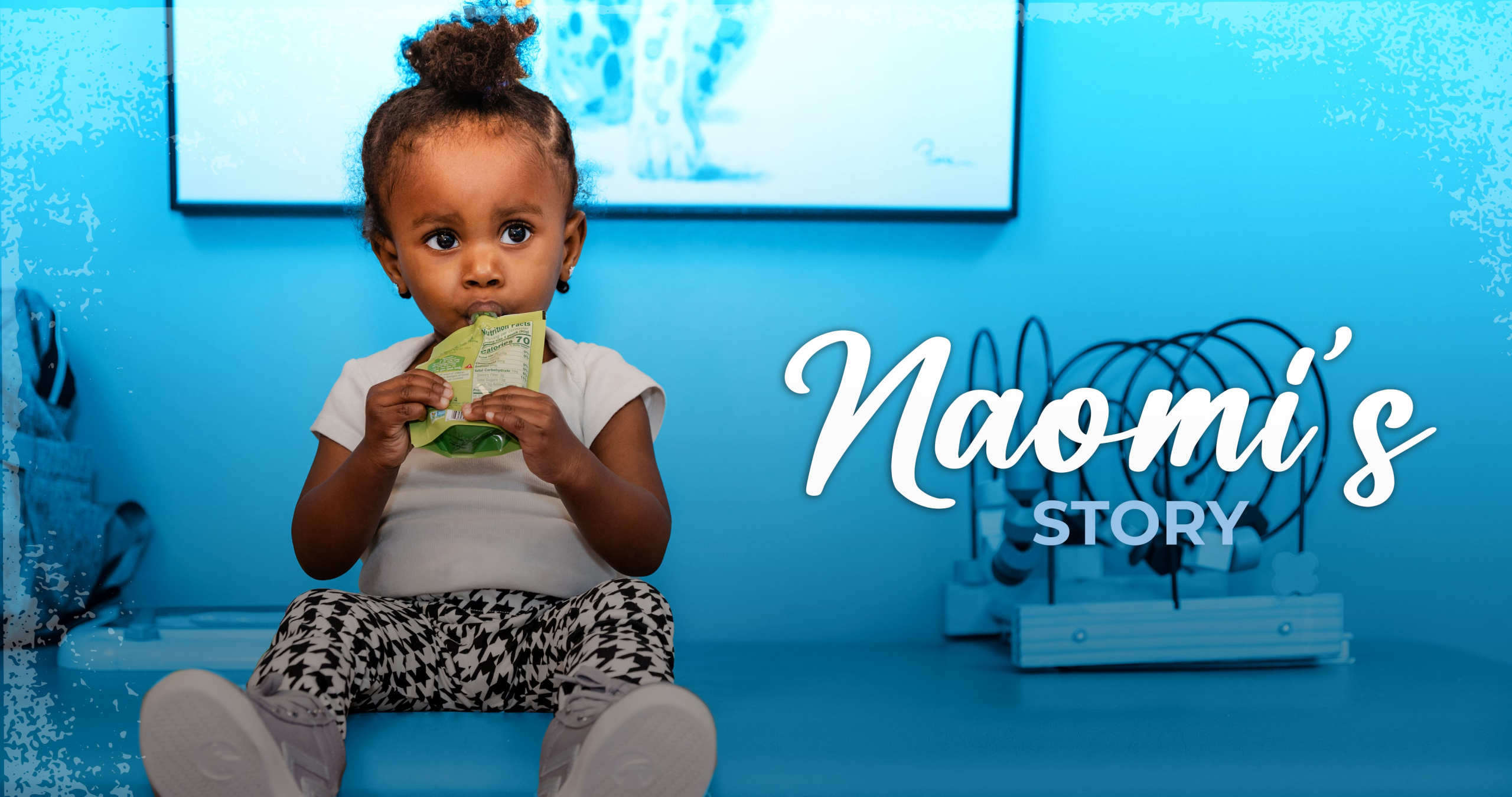
Naomi’s story shows the real experiences families face after a clubfoot diagnosis. What begins as uncertainty can quickly turn into hope and accomplishment, especially with the right care and support. If you’re a parent walking a similar path, or if you’re just seeking a story of determination, Naomi’s journey offers practical insight and encouragement for anyone dealing with clubfoot treatment.
Understanding Naomi’s Clubfoot Diagnosis and Early Concerns
When Naomi’s family learned about her clubfoot diagnosis, the initial reaction was filled with worry. Doctors often warn parents about possible mobility challenges. In Naomi’s case, they were told she might not be able to walk at all. That’s a heavy thing for any parent to hear. The uncertainty felt by Naomi’s mom, Lauren, is common, especially when facing a diagnosis that’s described as “tricky” or hard to predict.
Despite these early concerns, Naomi’s story took a hopeful turn. From the start, she seemed determined to prove expectations wrong. The idea that a child with clubfoot might never walk can feel overwhelming, but as Naomi’s journey reveals, these predictions are not set in stone. “Beating all the odds” became Naomi’s theme, as her family watched her make progress every step of the way.
One important lesson they learned was the value of taking things slow. When faced with a new diagnosis, it’s easy to feel pressure to figure everything out at once. Frustration, fear, and even guilt can creep in. But pushing yourself can lead to stress that doesn’t help. As Lauren shared, focusing on each day’s small steps can make the process feel lighter.
Emotional tips for parents facing a clubfoot diagnosis:
- Stay calm and positive, even when the path feels difficult.
- Focus on gradual progress, not perfection or rushing.
- Seek support from medical specialists and families who’ve gone through similar experiences.
Early diagnosis and the right mindset matter. By breaking things down into simple, manageable tasks, parents can help their children—and themselves—move through the journey with less anxiety.
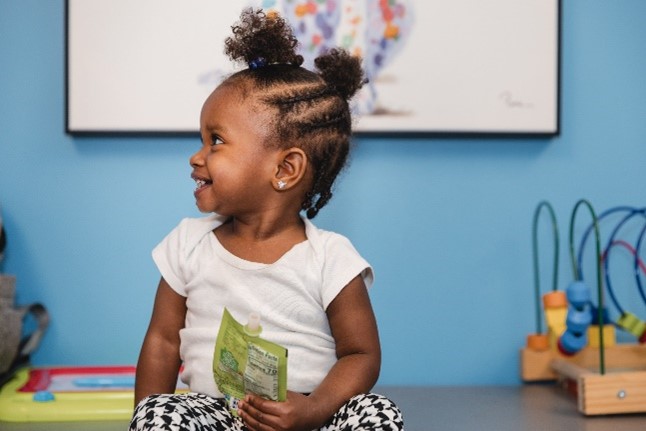
The Treatment Journey: From Casting to Bracing
Initial Treatment: Casting Phase
After Naomi’s clubfoot was diagnosed, her treatment started with casting. Serial casting is a well-known way to begin addressing clubfoot. It involves gently moving the foot into a better position and holding it there with a cast. This process is repeated over several weeks, slowly bringing the foot closer to a typical alignment.
In Naomi’s case, the casting phase lasted for several weeks. The timeline was clear and steady—casting first, then four weeks later she would move into wearing boots. This step-by-step plan set the stage for her progress.
For many families, this first phase is both hopeful and stressful. Seeing your child in casts can be stressful, but every week brings improvements, and those changes add up fast.
Transition to Boots (Bracing)
Four weeks after starting with casts, Naomi’s treatment shifted to boots and bar (BnB), sometimes known as bracing. Lauren mentioned working closely with OPSB (formerly Boston O&P) during this stage.
This bracing phase of treatment helps maintain the progress made during casting and is vital for long-term success. Once Naomi started using the boots, Lauren described the transition as “smooth sailing”.
That’s a powerful phrase for any parent who’s been through weeks of worry and adjustment. Smooth sailing means the routine became more predictable, and Naomi continued to improve.
Daily life with boots n bar brings its own set of habits. Consistency matters for the best results. Parents need to make sure boots n bar are worn as prescribed and watch for any signs of discomfort. Encouragement is key, as kids may not always love their braces at first.
Checklist for parents starting boot treatment:
- Wear boots n bar as prescribed by your clinical team.
- Monitor your child’s skin and comfort, especially in the first days.
- Provide gentle encouragement for movement and play.
- Keep routines consistent, making boots n bar use part of daily life.
While every child’s journey is unique, these steps can make boots n bar treatment smoother and more comfortable for both parent and child.
Naomi’s Progress: Beating the Odds and Mobility Achievements
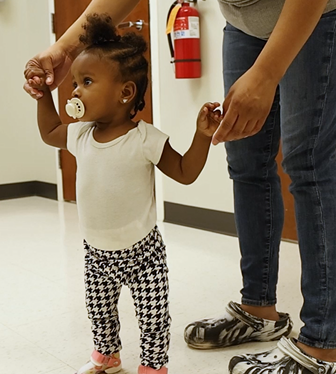
Despite early concerns that Naomi might struggle to walk, she surprised everyone with her progress. Lauren pointed out that movement became the easy part for Naomi. She moved quickly and kept up with her peers, showing that the limitations once feared didn’t hold her back.
Now the focus has shifted to helping Naomi “do it on her own”—encouraging independence in walking and moving without constant assistance. This moment is huge for families dealing with clubfoot. The goal isn’t just for kids to walk, but to do so confidently in their own time.
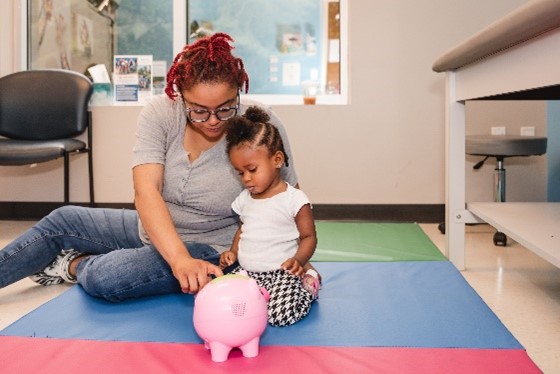
Specialist support played a major part in Naomi’s journey. Teams like the Ksenia Major and other clinicians at OPSB, worked closely with Lauren to make sure each stage moved forward without trouble. Having this network matters, especially when each diagnosis brings its own challenges.
Lauren reminds us that progress looks different for every child. Some families see big leaps, while others make gradual strides. There’s no single timeline that fits all, and comparing your child’s path to another can add unnecessary pressure.
Motivational reminders for parents:
- Celebrate small wins, no matter how minor they may seem.
- Remember that every child moves at their own pace.
- Avoid comparing your journey to someone else’s—focus on your own milestones instead.
Watching Naomi work so hard and eventually move so freely shows what’s possible with patience, support, and the right mindset.
Advice for Parents: Taking One Day at a Time
One of the strongest messages from Naomi’s story is the importance of patience and perspective. Clubfoot treatment is a process, not a sprint. Trying to “fix” everything at once can lead to stress and even sickness from worry.
Lauren encourages parents to “take it one day at a time.” This isn’t just a slogan; it’s practical advice. Managing the mental and emotional side of treatment is just as important as handling the physical aspects. Anxiety can weigh down parents, affecting the whole family.
Finding calm in the middle of uncertainty can feel hard, but it helps in the long run. Building a network of support—whether that’s family, friends, or a local support group—gives you a place to share worries and pick up new strategies. Taking breaks, even for a few minutes, can help reset your outlook.
Encouragement points to keep in mind:
- Focus on today’s progress, not all the things that might happen later.
- Lean on your family, friends, or others with similar experiences.
- Steer clear of overthinking or letting fear about the future take over.
Every parent wants the best for their child. Staying present and calm helps you support your child’s journey in the most meaningful ways.
Final Thoughts on Naomi’s Journey and Support Systems
Naomi’s progress shows what’s possible when determination, expert care, and family love come together. It’s easy to get caught up in fear or uncertainty, but taking time to appreciate each step makes the journey more hopeful.
Families facing clubfoot treatment aren’t alone. Working closely with specialists, listening to your child, and celebrating each milestone can make all the difference. Naomi’s experience proves that beating the odds is not just possible—it can be a shared victory for the whole family.
Disclaimer:
OPSB products and products distributed by OrthoPediatrics Corp. should be used under the guidance of qualified healthcare professional. Individual results may vary. Please consult your pediatrician or orthopedic specialist for professional advice, including intended use, warnings, precautions, side effects and contraindications. This video is for informational purposes only and does not constitute medical advice. Always follow your doctor’s recommendations and instructions.

