
Parker’s Clubfoot Journey: A Mother’s Story to Hope, Treatment, and Daily Life
Every parent wants the best start for their child. When Brittany learned her son Parker would be born with clubfoot, worry was natural, but hope carried their family forward. Clubfoot comes with questions and adjustments, but it doesn’t have to hold a child back. Brittany’s story shows how early action, teamwork, and a positive outlook have helped Parker thrive.
Discovering Parker’s Clubfoot Diagnosis
The 20-Week Ultrasound Surprise
Brittany’s pregnancy seemed to be going as planned until they reached the 20-week ultrasound. During this scan, doctors noticed something different about Parker’s feet. The doctor calmly explained that Parker had clubfoot, a condition where one or both feet turn inward at birth. Like many parents hearing this news, Brittany felt unease. No one wants to hear anything unexpected at what should be a happy milestone.
The 20-week ultrasound gave Brittany and her family a head start. Early detection meant they could prepare for treatment long before Parker arrived. Parents facing this news might worry, but catching clubfoot early gives families time to learn, gather support, and set up everything their baby will need. This clarity in the middle of surprise can make a big difference later on.
Initial Feelings and Common Concerns
Any diagnosis related to your child brings strong emotions. Brittany remembers worry setting in as she wondered what her son’s future would hold. These are some of the initial questions and fears many parents might have:
- Will my child be able to walk normally?
- Will treatment be difficult or painful?
- Will this change life for our entire family?
- How do we handle appointments, equipment, and daily care?
As these thoughts came and went, Brittany realized she wasn’t alone. Many parents go through these same emotions and questions. It’s natural to feel nervous or scared.
Early Treatment: Starting Right Away
Why Early Treatment Matters
With clubfoot, treatment often starts within the first weeks of a baby’s life. Doctors know that soft tissues and bones are most flexible in a newborn. Starting early uses this natural flexibility to gently guide the feet into a better position. The main goal: allow kids to walk, run, and live active lives.
Clubfoot treatment begins with serial casting which involves gently moving the foot into a better position and holding it there with a cast. This process is repeated over several weeks, slowly bringing the foot closer to a typical alignment.
After casting was complete, Parker moved into the bracing phase of treatment, often referred to as boots and bar (BnB). This phase of treatment helps maintain the progress made during casting and is vital for long-term success.
The Bracing Process With Supportive Providers
All of Parker’s bracing happened through their local clinical team at, OP Specialty Bracing. Brittany speaks warmly of the team, sharing how they worked side-by-side to help Parker succeed. The experience felt supportive, never rushed. The clinicians paid attention to Parker’s comfort and personalized every visit.
One challenge popped up early: Parker’s first braces rubbed on the tops of his feet and around his ankles. These pressure spots made things tricky and instead of dismissing it, the healthcare team listened to Brittany’s concerns. They added special pads to the braces and shared practical suggestions to help address the issue.

Tips for making braces more comfortable:
- Add soft pads to spots that rub or press against the skin.
- Check and readjust the fit regularly as babies grow.
- Use gentle, moisture-wicking socks under braces.
- Keep skin clean and watch for redness or irritation.
- Communicate any discomfort right away to your provider.
With each adjustment, Parker settled in and his comfort improved. For Brittany, knowing experts cared about the details gave her peace of mind.
Managing Discomfort and Quick Adjustments
No brace fits perfectly right away. The first days saw Parker fidget and squirm as he adjusted to the new sensation.
Comfort was the focus for Parker and his care team. Small adjustments made a big difference. Providers added soft padding, adjusted the straps, and even suggested ways to improve Parker’s routine at home. These little fixes helped Parker adapt faster, building trust between the family and their healthcare team.
Parker’s willingness to wear his braces without fuss showed everyone how quickly kids can adapt. Having a provider who not only cared for Parker but also educated Brittany about comfort and care set the stage for Parker’s treatment success.
Life with Clubfoot: Impact on Parker and Family
Parker’s Adaptation to His Braces
For Parker, wearing braces quickly became second nature. Since treatment started early, bracing felt almost as normal as wearing a diaper or being tucked into bed. Parker’s easygoing attitude lightened the mood and reinforced the family’s positive approach. Instead of seeing the braces as a burden, Brittany and her family learned to see them as simple and familiar.
Bracing wasn’t just a necessity; it was hopeful. Every day Parker wore his braces, Brittany felt confident her son was heading toward a healthy, active future.
How Clubfoot Affects Daily Life and Planning
Raising a child with clubfoot means planning ahead. Simple days require more structure, and routines revolve around treatment. Brittany and her family have to consider doctor visits, bracing schedules, bedtime routines, and more. It’s a juggling act, but one they handle with care and love.
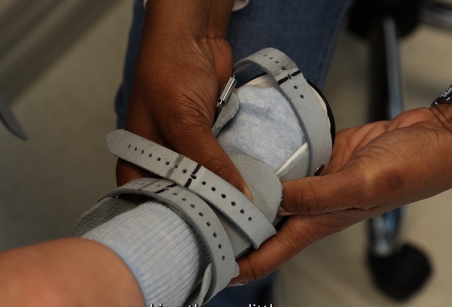
Ways life requires more planning with clubfoot:
- Schedule regular follow-ups and checkups with the specialty provider.
- Stick to a nightly or daily bracing routine.
- Watch for signs of discomfort and make quick comfort adjustments.
- Organize supplies like socks, pads, and brace-friendly clothing.
- Prepare siblings or family members for changes in schedules or routines.
Every new challenge brings a learning moment. The family’s willingness to keep learning and growing together helped them thrive, even if life moved at a different pace.
Changing Perspectives on Bracing
At first, Brittany worried how people would view Parker’s bracing. Would there be misunderstandings or negative comments? Over time, she found a sense of pride and hope in the process.
“For us, his bracing is a really hopeful thing. I don’t want people to ever talk negatively about his bracing because for us that’s what is setting him up for a successful future.”
Brittany encourages others to see bracing as a smart, caring choice, not a setback. Shifting the conversation to focus on long-term benefits builds resilience in both parents and children.
Hope and Normalcy: Looking Forward
Overcoming the Fear of Diagnosis
Hearing the word clubfoot brought fear, but Brittany learned this fear can fade sooner than expected. After treatment begins, routines start to feel normal. What once seemed overwhelming shrinks as families gain comfort and skill.
Life quickly starts to look and feel like it should, with laughter filling the room and children hitting milestones. Clubfoot becomes just a part of everyday life, not the definition of it.
Parker’s Progress and Small Joys
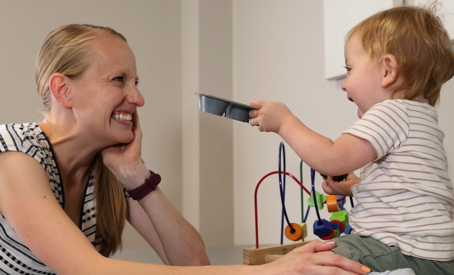
Today, Parker is as curious and active as any toddler. He picks up new skills, explores his world, and keeps his parents on their toes by tossing toys to the floor, just like other kid his age. Brittany finds comfort and happiness in these little, everyday moments.
Each time Parker crawls, stands, or makes a mess, it’s a small victory that proves more meaningful to Brittany because clubfoot isn’t holding him back. Living with clubfoot hasn’t stopped Parker from being a happy, healthy child. The bracing routine that once felt daunting has become part of their family’s daily lives.
Encouragement for Other Families
If you’re new to the clubfoot journey, trust that support, care, and early treatment can help your child thrive. Brittany’s story is a reminder that with the right treatment and a positive attitude, life can be filled with hope.
For parents at the start of their own journey, remember:
- Take it one day at a time.
- Lean on your medical team, friends, and family for support.
- Celebrate every success, no matter how small.
- Keep your eyes on the future—your child can and will enjoy all the joys of childhood.
Conclusion
No parent wishes for a medical diagnosis, but with clubfoot, early detection and the right support can transform fear into confidence. Brittany’s experience with Parker shows that, while challenges and adjustments are real, a hopeful attitude and support system make all the difference.
If you’re facing a clubfoot diagnosis, or guiding a loved one through it, remember that treatment offers more than correction, it brings the promise of a bright, active future. Every day, kids like Parker prove that with the right tools, a little extra planning, and unwavering support, obstacles become stepping stones toward joyful, healthy lives.
Disclaimer:
OPSB products and products distributed by OrthoPediatrics Corp. should be used under the guidance of qualified healthcare professional. Individual results may vary. Please consult your pediatrician or orthopedic specialist for professional advice, including intended use, warnings, precautions, side effects and contraindications. This video is for informational purposes only and does not constitute medical advice. Always follow your doctor’s recommendations and instructions.

