Oliver’s Story- My DF2® Journey

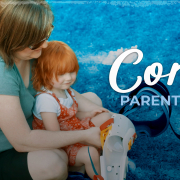
Watching a child grow and discover the world is a joy unlike any other. Those first wobbly steps, the rush down the hallway, the laughter that fills the house, all remind us how much kids crave movement and play. For parents, nothing matters more than seeing their child happy and active. So what happens when pain suddenly gets in the way? This is the story of Oliver, a vibrant toddler whose love for life was threatened by a hip infection, and how the right support helped him return to the spirited child his family always knew.
For Oliver, moving was pure excitement. After the thrill of taking his first steps, it seemed like he couldn’t be stopped. He ran, bounced, and played through every room. Playing outside, chasing after his favorite toys, and exploring corners of the house became his daily routine. The sparkle in his eyes whenever he found a new adventure was impossible to miss.
His family quickly learned that Oliver was not one to sit still. He never missed an opportunity to run or play. Every morning began with energy, and every day seemed too short for him to do all the things he wanted. He wasn’t just active. He was always in motion, always searching for the next bit of fun.
That’s why when things changed so suddenly, when Oliver began crying in pain each time he tried to stand or walk, his parents immediately sensed that something was very wrong. The change was heartbreaking and impossible to ignore.
As the pain became more frequent, Oliver’s parents watched in growing worry. He could barely stand without tears, let alone run and play like before. At first, they hoped it would pass, but as each attempt to move brought more pain, concern took over.
After a series of doctor visits, the cause became clear: Oliver had developed a hip infection. This type of infection causes swelling and pain in the hip joint, making it very hard for kids to stand or walk. It requires prompt treatment, often needing surgery to clear the infection so the joint can heal.
Hearing that their little boy needed surgery sent Oliver’s parents into a whirlwind of worry. They had so many questions racing through their minds. Would he be in more pain? Would his personality change if he was stuck in a cast? Would he lose the lively energy that made him unique?
These swirling thoughts weighed heavily as they tried to comfort Oliver through his discomfort. The idea of him losing his spark felt almost as painful as seeing him hurting.
When it was time for surgery, Oliver’s parents faced a big decision. Many kids recovering from hip infections are placed in a rigid spica cast that keeps their hips and legs almost completely still. This approach works for healing but often forces kids to stay in one place for weeks, sometimes even longer.
That’s when Oliver’s surgeon suggested something different: the DF2® brace.
Unlike the traditional static cast, the DF2® brace is made to offer stability and support while still allowing some movement. It fits snugly yet comfortably, holding the hip in place and promoting healing, but it doesn’t lock the body in a rigid position.
The day the brace was fitted was a turning point. As Oliver’s parents put it, “as soon as the brace was on, we knew it was going to be okay.” The fear started to fade. The brace felt secure but didn’t confine him the way a cast would. There was hope that Oliver wouldn’t have to miss out on the simple joys of childhood while he healed.
Traditional static casts are heavy and restrictive. Children can’t walk or move freely. Oliver’s family worried that such a setup would steal the little moments that had made their son so happy dashing from room to room, chasing his favorite ball, or simply moving without help. The DF2® brace changed that equation by offering:
With the brace in place, Oliver had the freedom to heal and still enjoy being a kid.
Healing from an infection isn’t easy, but Oliver’s journey became a story of resilience and hope. The DF2® brace played a central role in how he recovered.
Seeing him stand with the brace for the first time was a relief. Each day, Oliver made new progress. Sometimes it was a tentative step, other times a burst of playful energy that reminded his family of the old days. The brace allowed him to slowly get back to the things he loved, without waiting for weeks locked in a cast.
Kids learn, grow, and heal by moving. For Oliver, the urge to play and run wasn’t just a matter of fun. It was a part of who he was. The DF2® brace made it possible for him to:
These everyday victories made a huge difference. His parents saw their son’s confidence come back. Little by little, Oliver became more active, and the tears dried up.
Here are some of the key ways the DF2® brace helped Oliver:
The energy in the house returned. Instead of frustration or boredom, there were more smiles and laughter. The family stopped worrying about the lost days and started celebrating little wins.
Maybe the greatest reward in this whole experience was watching Oliver rediscover himself. With each day, he regained the spark that had dimmed when pain took away his freedom. The relief on his parents’ faces spoke volumes. After weeks of worry and uncertainty, they got to see glimpses of the happy, energetic boy they loved so much.
By the end of his recovery, Oliver was back to filling the rooms with his playful presence. He was running, laughing, and exploring like he always had. The DF2® brace didn’t just help him heal. It gave him the chance to do it on his terms, active, curious, and full of life.
As his family shared, “that was exactly what he was—our Oliver.”
Oliver’s journey shows how the right support at the right moment can bring real hope. More than anything, his experience is a reminder that children shouldn’t have to lose their joy just because they need to heal. With options like the DF2® brace, families can help their kids recover while keeping their childhood intact.
Choosing treatments that support both physical healing and emotional well-being changes recovery for everyone. Oliver’s story isn’t just about overcoming pain. It’s about making sure kids are free to be themselves through good times and hard ones.
If you want to see more about how the DF2® brace helps children get back on their feet, you can watch the full story and see the impact firsthand in the video above.
Every step, every smile, and every moment spent playing is precious. With the right care, healing becomes possible—and so does the return of a child’s energy and light. That’s the hope every family deserves.
Disclaimer:
OrthoPediatrics Corp. products should be used under the guidance of qualified healthcare professional. Individual results may vary. The DF2® brace is intended for femur fracture fixation and post-operative stabilization in pediatric patients from approximately 6 months to 5 years of age by providing immobilization of the femur, knee, and hip. Please consult your pediatrician or orthopedic specialist for professional advice, including product warnings, precautions, side effects and contraindications. This video is for informational purposes only and does not constitute medical advice. Always follow your doctor’s recommendations and instructions.
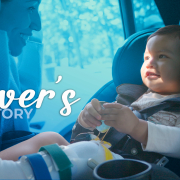
When a child faces a sudden health crisis, everything changes for the entire family. For Oliver and his parents, a simple illness led to an emotional rollercoaster, filled with worry, unexpected medical challenges, and the hope for a normal life to return. Their story is one of resilience, guided by expert medical care and aided by the DF2® Brace: a device that made all the difference in Oliver’s journey back to health.
Oliver’s story began with what seemed like a routine sickness that soon stretched into weeks of uncertainty, as his parents watched and waited for answers. After a month, doctors finally diagnosed Oliver with septic arthritis, a serious and urgent infection that caused fluid to build up in his hip. The words emergency surgery changed everything.
Septic arthritis is an infection in the hip joint, that can produce intense pain and swelling, demanding quick treatment. For Oliver, this meant not just surgery but a long, anxious wait to find out if he would heal fully and be able to move like before.
As parents facing this for the first time, Oliver’s mom and dad felt the sting of fear and helplessness. Watching your child in pain almost breaks your heart. The future seemed unknown. Would Oliver bounce back? Could he play, explore, and laugh as he always did before? This wasn’t just about a medical diagnosis. It was about a family searching for reassurance and longing for the comfort of routine life to return.
Even after surgery, Oliver’s struggles continued. The pain didn’t disappear overnight. Every move he made reminded his parents that he was still healing. They worried each time he crawled, tried to stand, or wanted to reach for his toys. The instinct to protect him was strong. You don’t want your child to get hurt right after such a big surgery.
For Oliver, those early days at home were full of frustration. He wanted to do more, to live and play the way he remembered. The tension was real, should he be encouraged to move, or should he be shielded from risk?
That’s when Oliver’s surgeon suggested the DF2® Brace for his recovery. The advice was simple: “If he feels comfortable with that, let him do it.” This guidance provided both reassurance and a clear path forward. His parents, still nervous, chose to trust this expert advice and gave Oliver the chance to test his limits safely.
When Oliver came home and began using the DF2®, the change was immediate. The brace gave him a visible boost, his mom spotted the shine in his eyes again. For the first time since the ordeal began, he looked comfortable and confident. Yes, she worried seeing him crawl or try to stand, but knowing the brace was there helped quiet those fears.
The sight of her child doing the things he loved, without wincing with every move, brought hope back into their home.
“It’s a phase you have to go through to help your child heal, and once it’s over, you’ll have a story worth sharing with others.”
Oliver’s progress in those first weeks was steady and inspiring. The brace supported him as he:
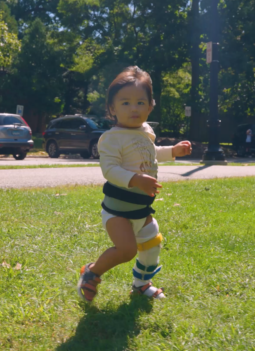
For Oliver’s mom, the DF2® was a huge relief. She described it as a total game changer for me as a mom. It allowed her to watch Oliver reclaim his independence. It also meant they didn’t have to change every piece of equipment or habit—he could still use his car seat and toys just as before.
Key benefits of the DF2® Brace for Oliver and his family:
Oliver wasn’t just moving; he was healing. His parents could see that the DF2® Brace didn’t just keep him comfortable. It gave them confidence that he was safe, even as he began putting more weight on his hip. When the brace came off, Oliver could fully weight bare; a key marker in his recovery. This reassurance, more than anything else, helped the whole family start to relax and look forward to life after surgery.
Parents dream of the moment they see their child act like themselves again after any illness. For Oliver’s family, that moment came just two days after the brace was removed. He was running in the mall, eager and excited. Seeing him stand and try to walk for the first time without the brace moved his mom deeply. There, in the middle of a busy mall, she knew: Oliver was back.
It didn’t stop with running. Oliver returned to the heart of childhood, joining activities and rediscovering the world at his own pace.
After healing, Oliver returned to:
Each event marked a small victory. With every laugh and step, normal life finally returned to their home.
Looking back, Oliver’s parents credit much of their smooth recovery experience to the DF2® Brace. The brace delivered on safety, comfort, and ease of use—a trio every family needs in recovery. The experience was so positive that they now feel confident telling other families in similar situations about what worked for them.
They would recommend the DF2® to anyone navigating a child’s recovery after hip surgery. The support it gave their son and the peace of mind it gave them were invaluable.
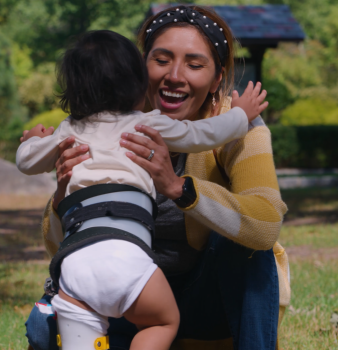
Every recovery is a phase; a stretch of time families must travel to reach health again. Some days feel long, and worries loom large. But as Oliver’s story shows, the right help, clear medical advice, and a bit of hope make all the difference.
Oliver’s journey with septic arthritis and subsequent recovery with the DF2® Brace stands as proof that families can get through even the hardest times. With trusted medical guidance, reliable tools like the DF2®, and a loving home, kids not only recover—they thrive. Every step forward is a reminder: healing is possible, and normal life can return.
For families facing similar challenges, Oliver’s story inspires confidence and hope. Recovery may be tough, but brighter days are ahead- one brave step at a time.
Dislcaimer:
The DF2® Brace should be used under the guidance of qualified healthcare provider. The DF2® brace is intended for femur fracture fixation and post-operative stabilization in pediatric patients from approximately 6 months to 5 years of age by providing immobilization of the femur, knee, and hip. Please consult your pediatrician or orthopedic specialist for personalized advice. This article is for informational purposes only and does not constitute medical advice. Always follow your doctor’s medical recommendations and instructions.
Every parent wants the best start for their child. When Brittany learned her son Parker would be born with clubfoot, worry was natural, but hope carried their family forward. Clubfoot comes with questions and adjustments, but it doesn’t have to hold a child back. Brittany’s story shows how early action, teamwork, and a positive outlook have helped Parker thrive.
Brittany’s pregnancy seemed to be going as planned until they reached the 20-week ultrasound. During this scan, doctors noticed something different about Parker’s feet. The doctor calmly explained that Parker had clubfoot, a condition where one or both feet turn inward at birth. Like many parents hearing this news, Brittany felt unease. No one wants to hear anything unexpected at what should be a happy milestone.
The 20-week ultrasound gave Brittany and her family a head start. Early detection meant they could prepare for treatment long before Parker arrived. Parents facing this news might worry, but catching clubfoot early gives families time to learn, gather support, and set up everything their baby will need. This clarity in the middle of surprise can make a big difference later on.
Any diagnosis related to your child brings strong emotions. Brittany remembers worry setting in as she wondered what her son’s future would hold. These are some of the initial questions and fears many parents might have:
As these thoughts came and went, Brittany realized she wasn’t alone. Many parents go through these same emotions and questions. It’s natural to feel nervous or scared.
With clubfoot, treatment often starts within the first weeks of a baby’s life. Doctors know that soft tissues and bones are most flexible in a newborn. Starting early uses this natural flexibility to gently guide the feet into a better position. The main goal: allow kids to walk, run, and live active lives.
Clubfoot treatment begins with serial casting which involves gently moving the foot into a better position and holding it there with a cast. This process is repeated over several weeks, slowly bringing the foot closer to a typical alignment.
After casting was complete, Parker moved into the bracing phase of treatment, often referred to as boots and bar (BnB). This phase of treatment helps maintain the progress made during casting and is vital for long-term success.
All of Parker’s bracing happened through their local clinical team at, OP Specialty Bracing. Brittany speaks warmly of the team, sharing how they worked side-by-side to help Parker succeed. The experience felt supportive, never rushed. The clinicians paid attention to Parker’s comfort and personalized every visit.
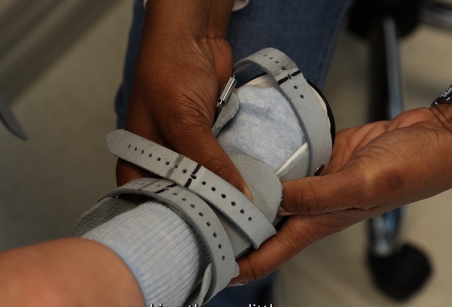
One challenge popped up early: Parker’s first braces rubbed on the tops of his feet and around his ankles. These pressure spots made things tricky and instead of dismissing it, the healthcare team listened to Brittany’s concerns. They added special pads to the braces and shared practical suggestions to help address the issue.

Tips for making braces more comfortable:
With each adjustment, Parker settled in and his comfort improved. For Brittany, knowing experts cared about the details gave her peace of mind.
No brace fits perfectly right away. The first days saw Parker fidget and squirm as he adjusted to the new sensation.
Comfort was the focus for Parker and his care team. Small adjustments made a big difference. Providers added soft padding, adjusted the straps, and even suggested ways to improve Parker’s routine at home. These little fixes helped Parker adapt faster, building trust between the family and their healthcare team.
Parker’s willingness to wear his braces without fuss showed everyone how quickly kids can adapt. Having a provider who not only cared for Parker but also educated Brittany about comfort and care set the stage for Parker’s treatment success.
For Parker, wearing braces quickly became second nature. Since treatment started early, bracing felt almost as normal as wearing a diaper or being tucked into bed. Parker’s easygoing attitude lightened the mood and reinforced the family’s positive approach. Instead of seeing the braces as a burden, Brittany and her family learned to see them as simple and familiar.
Bracing wasn’t just a necessity; it was hopeful. Every day Parker wore his braces, Brittany felt confident her son was heading toward a healthy, active future.
Raising a child with clubfoot means planning ahead. Simple days require more structure, and routines revolve around treatment. Brittany and her family have to consider doctor visits, bracing schedules, bedtime routines, and more. It’s a juggling act, but one they handle with care and love.
Ways life requires more planning with clubfoot:
Every new challenge brings a learning moment. The family’s willingness to keep learning and growing together helped them thrive, even if life moved at a different pace.
At first, Brittany worried how people would view Parker’s bracing. Would there be misunderstandings or negative comments? Over time, she found a sense of pride and hope in the process.
“For us, his bracing is a really hopeful thing. I don’t want people to ever talk negatively about his bracing because for us that’s what is setting him up for a successful future.”
Brittany encourages others to see bracing as a smart, caring choice, not a setback. Shifting the conversation to focus on long-term benefits builds resilience in both parents and children.
Hearing the word clubfoot brought fear, but Brittany learned this fear can fade sooner than expected. After treatment begins, routines start to feel normal. What once seemed overwhelming shrinks as families gain comfort and skill.
Life quickly starts to look and feel like it should, with laughter filling the room and children hitting milestones. Clubfoot becomes just a part of everyday life, not the definition of it.
Today, Parker is as curious and active as any toddler. He picks up new skills, explores his world, and keeps his parents on their toes by tossing toys to the floor, just like other kid his age. Brittany finds comfort and happiness in these little, everyday moments.
Each time Parker crawls, stands, or makes a mess, it’s a small victory that proves more meaningful to Brittany because clubfoot isn’t holding him back. Living with clubfoot hasn’t stopped Parker from being a happy, healthy child. The bracing routine that once felt daunting has become part of their family’s daily lives.
If you’re new to the clubfoot journey, trust that support, care, and early treatment can help your child thrive. Brittany’s story is a reminder that with the right treatment and a positive attitude, life can be filled with hope.
For parents at the start of their own journey, remember:
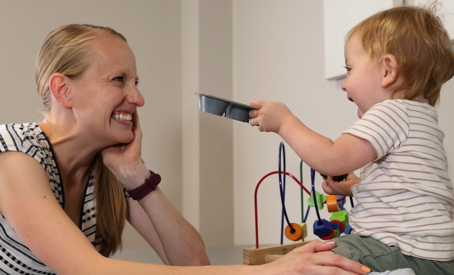
No parent wishes for a medical diagnosis, but with clubfoot, early detection and the right support can transform fear into confidence. Brittany’s experience with Parker shows that, while challenges and adjustments are real, a hopeful attitude and support system make all the difference.
If you’re facing a clubfoot diagnosis, or guiding a loved one through it, remember that treatment offers more than correction, it brings the promise of a bright, active future. Every day, kids like Parker prove that with the right tools, a little extra planning, and unwavering support, obstacles become stepping stones toward joyful, healthy lives.
Disclaimer:
OPSB products and products distributed by OrthoPediatrics Corp. should be used under the guidance of qualified healthcare professional. Individual results may vary. Please consult your pediatrician or orthopedic specialist for professional advice, including intended use, warnings, precautions, side effects and contraindications. This video is for informational purposes only and does not constitute medical advice. Always follow your doctor’s recommendations and instructions.
Finding out your baby may need special care is never easy. For Katie and Paul, the news that their son Julian had unilateral clubfoot was a surprise, one that brought emotional ups and downs. Their story shines a light on the day-to-day realities of clubfoot treatment, the support available, and why it’s okay to take things one step at a time.
Unilateral clubfoot is a condition where one foot, in this case Julian’s left, turns inward at birth. Clubfoot can be seen during prenatal scans, which is when Julian’s parents first learned about his condition. That revelation changed everything. As Katie described, “nobody wants to hear anything is wrong with their baby.” The words sting, and the first spark of worry often grows into a wave of emotions.
Still, Julian kept growing just like any other baby. He hit typical milestones and brought the same joy as any newborn. His clubfoot diagnosis didn’t put his development on pause. It meant the family took extra steps each day, but Julian’s bright spirit never dimmed.
The early days were a mix of medical appointments and learning new routines. Emotions flipped from concern to hope, sometimes in the same hour. Trust the process, Katie and Paul repeated, holding onto every small sign of progress. Parents facing a new clubfoot diagnosis might feel:
Julian’s story is proof that even unexpected news can lead to new sources of strength and love.
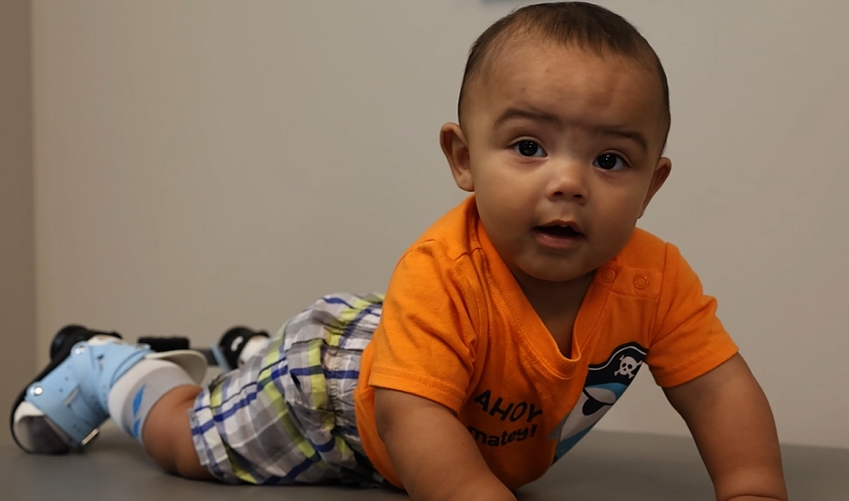
Julian’s clubfoot journey included the well-known “boots and bar” treatment, a common, effective approach for supporting babies through clubfoot correction. The boots connect to each other with a bar, holding both feet in the right position so the affected foot can stretch and grow properly.
At first, the boots were a big change. Babies instinctively move their feet and kick around. When Julian first tried his boots, he seemed surprised by the way his feet couldn’t move independently. For a few days, he had to learn new ways to stretch, move, and get comfortable.
But adapting came quicker than expected. It only took about a week for Julian to get used to the boots, his parents shared. After that first stretch, the boots and bar stopped feeling like obstacles. They became just a normal part of Julian’s routine.
Katie and Paul used some creative tricks to help Julian feel at ease:
Tips for Helping Babies Adjust to Clubfoot Boots:
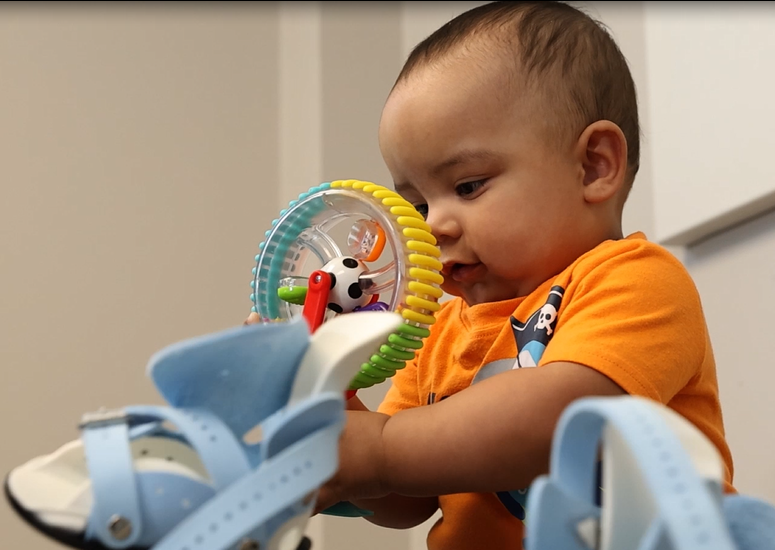
Another standout was the support from the staff at their OPSB clinic. Every visit, they felt cared for. Any questions we had, we could ask, and staff always explained things clearly. When Julian needed new boots fitted, the orthotist used a smart, simple trick:
After adjusting the new boots, they marked the right setting with a pin, so Katie and Paul didn’t have to count small dots each time. This little touch made it easy to strap Julian in correctly at home, even when they were in a rush or feeling tired.
Sometimes, the smallest details—like a pin mark on a boot—can take a huge weight off a parent’s shoulders.
The path to correction wasn’t easy for Julian’s family. There were doubts, long nights, and those moments when Katie and Paul asked themselves if they were doing it all right. “It was definitely an emotional ride… it was a long process but it’s definitely working out.”
Sticking with the wear schedule, learning to trust new routines, and remembering to look for progress instead of perfection shaped their experience. Even on tough days, they saw how small adjustments could bring big relief:
Trusting the process was their family mantra, but it’s really about trusting both themselves and the team supporting them.
“The hardest parts pass, and one day you wake up and realize that what once seemed impossible is now just another part of the family routine.”
Remember, every journey with clubfoot will look a little different, but the mix of emotions—worry, hope, confusion, pride—will be familiar to many.
Julian’s parents learned a lot by going through treatment day by day. Their advice is practical, and it comes from real experience.
What helped Julian, and could help you:
Taking the clubfoot journey as a family is challenging, but each act of patience pays off in your child’s new skills, strength, and smiles.
There are many organizations and groups dedicated to clubfoot support and information. While no specific resources are linked here, asking your doctor or care clinic for suggestions can be a good place to start.
At the heart of Julian’s story is the message that with care, community, and creative problem-solving, children with clubfoot can thrive. The diagnosis is tough, but treatment is proof that things really can turn out well. Simple innovations—like pin-marked boots and compassionate doctors—ease the journey.
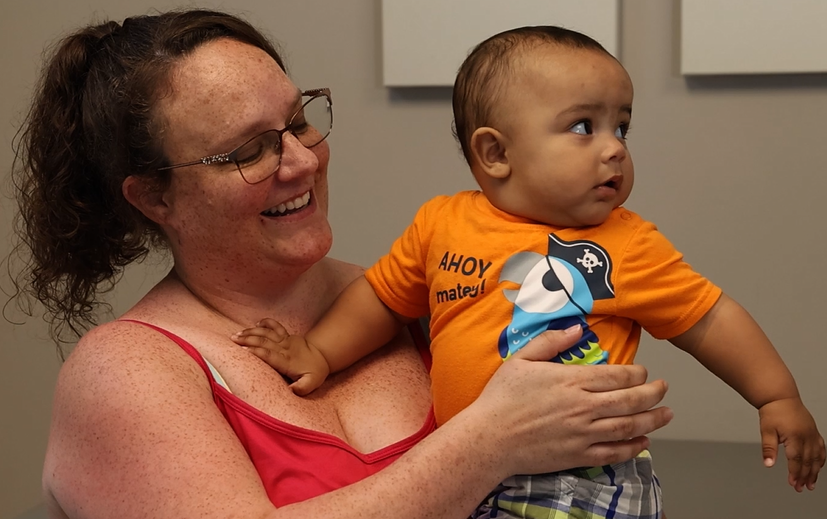
For any family hearing the words “clubfoot” for the first time, know that you’re not alone. The process is full of emotions, but there are brighter days ahead. As Julian grows, so does the confidence his parents have in themselves and in their community. Their story is a reminder that what feels overwhelming today often becomes tomorrow’s new normal.
If you’d like to watch Julian’s story told by his parents, you can find the video near the top of this page for more insight and encouragement.
Every small victory matters. And every family, like Julian’s, shows there’s hope in every step.
When you first hear that your child has clubfoot, the world seems to stand still. Suddenly, your mind races through questions about the future. Fear takes over and those worries can feel impossible to shake. But as one mom found in her journey, small steps make all the difference.
Every family’s story is unique, but some things remain the same for parents facing a clubfoot diagnosis. The path may look uncertain but hope and steady love help parents and children find their footing. This is one mom’s story of moving from fear to confidence, and how focusing on one day at a time turned anxiety into overwhelming joy.
Hearing the words “clubfoot” from a doctor feels like a punch to the gut. In that moment, fear feels heavy and real. You worry about physical challenges and an unknown future. The mix of uncertainty, worry, and the deep urge to protect your child clouds everything else.
For this mom, the first reaction was a wave of fear about what her daughter’s diagnosis might mean. She wondered if her daughter could walk, run, or even play. That uncertainty gnawed at her, making it hard to picture their life down the road. But beneath the surface of every fear was the question: Can I really care for her the way she needs?
It’s normal for parents to face a rush of questions after a clubfoot diagnosis:
These are worries shared by so many parents. The truth is, these feelings come from a place of deep love. You’re not alone in these thoughts, and they’re a natural part of the process.
Treating clubfoot takes patience and heart. For many families, it starts with a process called the Ponseti method. While the details differ, most children wear special boots and a connecting bar during night and naps. The boots and bar hold the feet in the right position as the child’s bones and muscles grow.
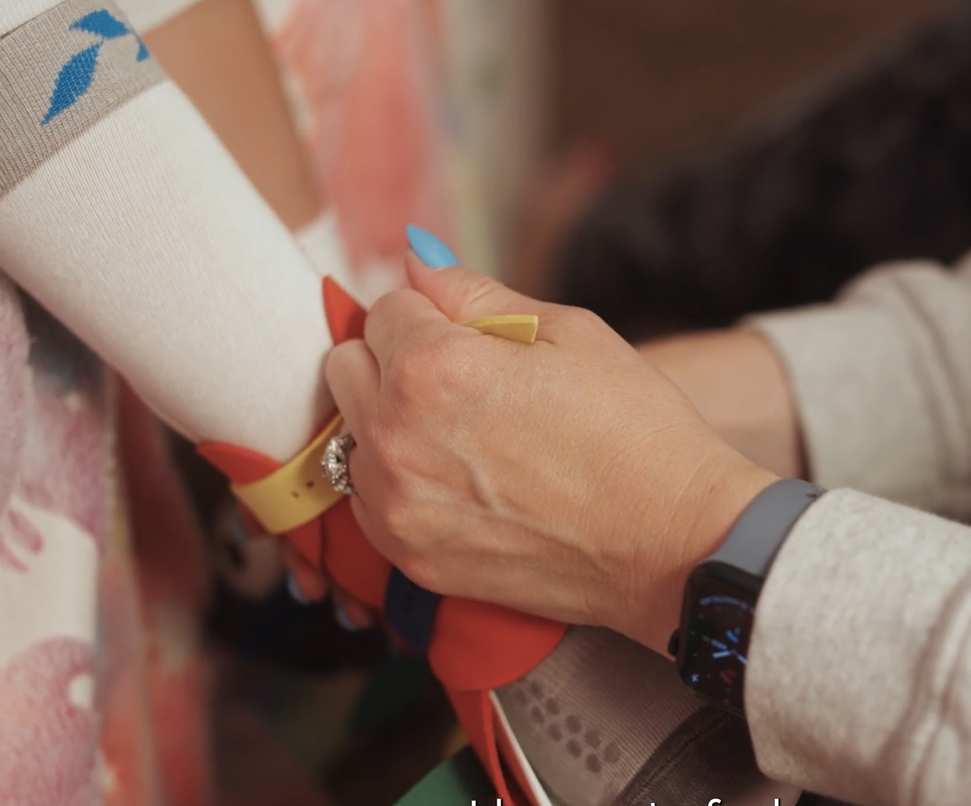
At first, this daily routine can feel overwhelming. For this mom, each time she put on her daughter’s boots and bar felt like a big responsibility. She worried about doing everything just right. But what started as a source of anxiety became a point of pride.
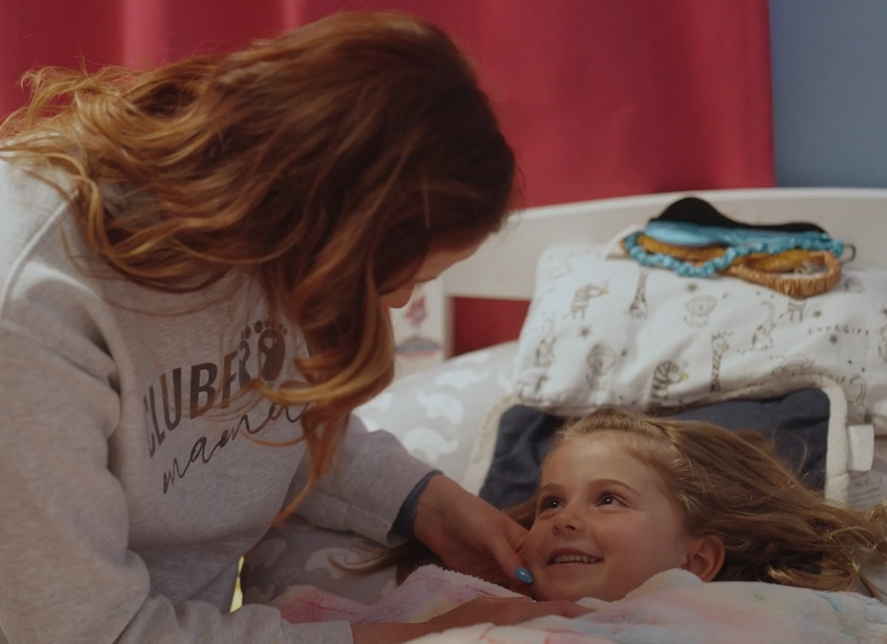
Each evening, she would tuck her little girl into bed wearing those boots and bar. She could see the small acts that helped her daughter move toward a healthier future. With every day and every step, she grew more confident in her role as a caregiver.
Moments like “putting on her boots and bar” and “tucking her into bed” became touchstones—reminders that love is active and grows through small acts of care.
Over time, the emotional weight begins to lift. Doing the same routines each day brings a sense of mastery and comfort.
Some milestones that helped build confidence:
With every successful day, she felt less uncertain and more sure that, together as a family, they could handle what comes next.
Now, when this mom watches her daughter run and jump with her sisters, she feels an overwhelming joy. Not long ago, she questioned if these moments would ever happen. Every step, every laugh on the playground is a victory over the fear that once filled her mind.
Focusing on taking things “one day at a time” was the key. Instead of getting lost in worries about tomorrow, she zeroed in on today’s needs and joys.
Letting go of the weight of the whole journey allowed both mom and child to grow—not just physically, but as a family.
Seeing progress in small pieces made the change feel real and possible. For this family, breaking the journey into daily wins helped make everything less scary.
This approach worked for both. Progress wasn’t about giant leaps, but about steady, tiny steps, one building on the last.
Love and support from family created the foundation for every victory. When worry crept in, a kind word or an encouraging gesture from another family member made it just a little easier. Resilience doesn’t mean being perfect; it means showing up again and again, even when it’s tough.
In this household, celebrating every jump and every giggle on the playground carried more meaning because of the history they’ve shared. Family ties grew stronger as each person played a role in moving from fear to confidence.
Every parent on this journey faces moments of doubt, worry, and sometimes exhaustion. It can feel like you’re walking in the dark. But you’re doing the work that matters most showing up for your child, day after day.
Echoing the words of this mom: she felt most proud knowing she was “doing the very best I could to ensure her future.” That’s all any parent can do, and it’s more than enough.
For parents at the start or in the thick of the clubfoot journey:
You’re not alone—even during the hard days. There’s hope in every small step and joy waiting at the other end.
The hardest journeys don’t come with easy answers, but they do bring unexpected strengths. Facing a clubfoot diagnosis brought this mom more fear than she had ever known. By taking it one day at a time, her daughter could focus on learning to take one step after another.
Now, the laughter, running, and playtime that fill their home are reminders of how far they’ve come together. Whether you’re at the beginning of your own journey, in the middle of treatment, or looking back from a place of overwhelming joy, remember: every step counts.
If you’re looking for hope, look for it in small victories, in family routines, and in the shared smiles that come after a hard day. One day at a time leads to brighter tomorrows.
Disclaimer:
OPSB products and products distributed by OrthoPediatrics Corp. should be used under the guidance of qualified healthcare professional. Individual results may vary. Please consult your pediatrician or orthopedic specialist for professional advice, including intended use, warnings, precautions, side effects and contraindications. This video is for informational purposes only and does not constitute medical advice. Always follow your doctor’s recommendations and instructions.