
Alma’s Story: How a Young Girl with Clubfoot Found Her Place in the Game
Alma always watched her sisters chase soccer balls, swing bats at softball practice, or play made-up games in the street. She didn’t just want to be part of the crowd; she wanted to run alongside them, to belong, to feel included. Born with bilateral clubfoot, Alma faced a challenge that could have easily kept her on the sidelines. But her determination, paired with the right support and treatment, changed everything.
Childhood and the Desire to Belong
For kids, family games mean more than fun; they build confidence and belonging. Alma grew up in a busy, sports-loving household, always trying to keep up with her older sisters, Maggie and Addie. While they played outside, she watched from the porch, wishing, watching, waiting, for the moment she could join in.
She wanted to be out in the yard playing soccer with Maggie. She wanted to grab a bat and join Addie for a game of softball. When the street filled with laughter and her family set up “wiffle ball,” Alma’s heart tugged—she wanted to be there, running with them.
These moments weren’t just about sport, but about feeling included and sharing joy with her loved ones. And for Alma, it was about even more, it was about shaking off limitations and being more than a spectator.
Understanding Clubfoot and Its Impact on Play
Clubfoot is a condition present at birth where a baby’s foot twists out of its normal position. In Alma’s case, both of her feet were affected. Alma’s dream to join in family fun meant first treating her special feet, so her feet would not only look ordinary but to move freely, run, and play. For Alma that solution came in the form the Ponseti Method for clubfoot treatment and the use of boots and bar, clinically called the Mitchell Ponseti Ankle-Foot Orthosis (AFO) and bars.
These devices did two main things:
- Corrected Foot Position: Guiding the feet into a proper position over time
- Maintained Progress: Prevented the feet from turning back in after treatment
Wearing the boots and bar wasn’t just about standing tall the next morning—it was her ticket to play. Alma slipped them on every night, shaping the future she could see but hadn’t reached just yet. The experience wasn’t always comfortable or easy, but the hope of waking up ready to join in family games made it worth it.
Learn more about the Mitchell Ponseti AFO and bar and how it helps children just like Alma.
Overcoming Challenges: Alma’s Nightly Routine and Determination
Every evening, Alma’s journey to the game began with her nightly routine. She developed a rhythm—one that became second nature and showed her strength, even at a young age.
Here’s what her nights typically looked like:
- Alma ‘s parents carefully strapped on her boots and bar before bed.
- She crawled under the covers, the brace making ordinary movements more difficult, yet becoming routine as part of her daily life.
- Overnight, her legs and feet maintained the correct position they achieved through serial casting when she was a baby.
- Each morning, the boots and bar came off, replaced with growing mobility and confident in her ability to join in families play.
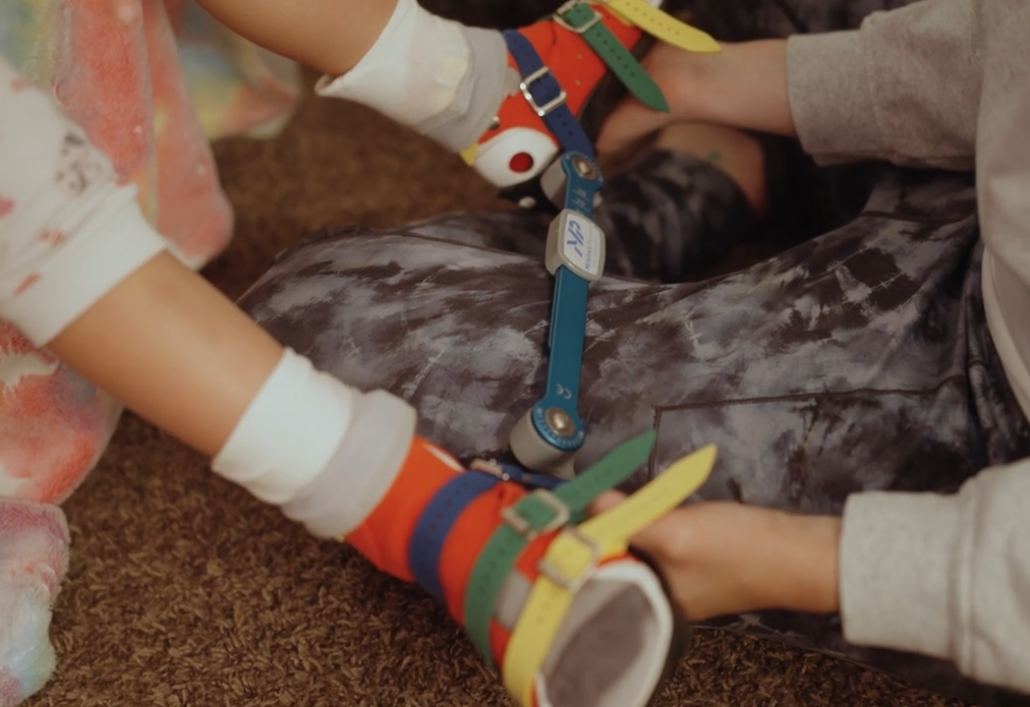
Some nights were tough. At times, the brace felt heavy and awkward. A. But she never skipped a night. She knew every evening spent in the boots and bar was an investment in the games, laughter, and freedom of movement waiting for her.
Persistence turned into progress. Alma’s simple but powerful routine, repeated night after night, laid the groundwork for everything that followed.
From Spectator to Player: Alma’s Active Participation
After weeks, months, and years of wearing her corrective brace, Alma continued to grow in her ability to participate in her family’s games. With her feet growing stronger and her confidence building, she stepped into the world of family sports and games.
When her family planned a street game of “wiffle ball,” Alma lined up right next to everyone else. Instead of being an observer, she was a teammate. The feeling of gripping a bat, running bases, and laughing with her sisters brought her a tremendous sense of joy. It wasn’t just about the game—it was about becoming part of the game.
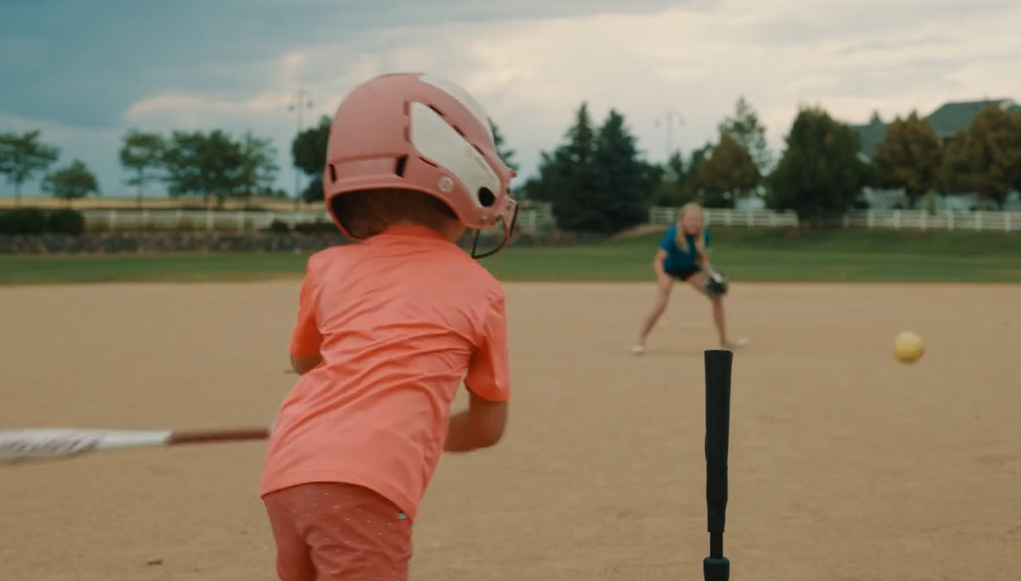
“Now I’m not just watching the game—I am a part of it.”
That’s how Alma described her new life. The right treatment didn’t only reshape her feet—it reshaped her childhood. Like any other kid, she could chase a ball, cheer with her family, and feel the rush of the game.
Adaptive equipment made all the difference for Alma. It let her have the kind of playful, active childhood every kid deserves.
The Role of Family in Alma’s Journey
Alma’s family played a lead role in her progress, offering encouragement and making sure she never felt left out, even when there were challenges.
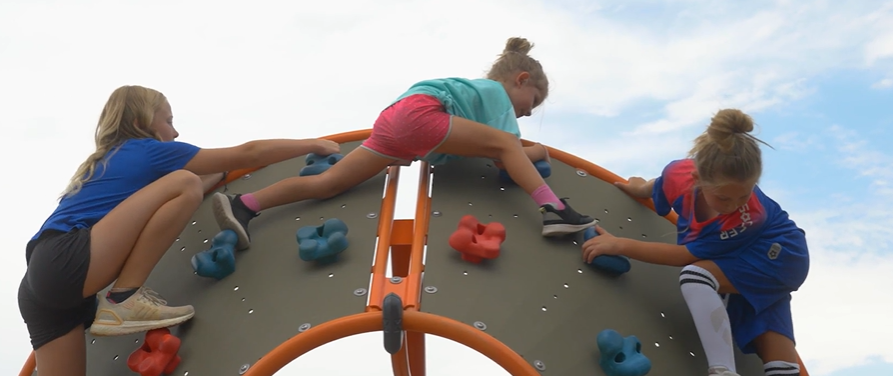
Some examples of their support include:
- Creating inclusive games where everyone could participate
- Celebrating Alma’s efforts on and off the field
- Helping her stay positive during tough nights with her boots and bar
- Always inviting her to join, no matter how she felt or moved
Having a supportive, active family meant that Alma’s journey was never a lonely road. Her sisters—Maggie and Addie—weren’t just athletes to watch, but role models and playmates who showed her what was possible.
With them, Alma learned that every step forward, no matter how small, mattered.
Conclusion
Alma’s clubfoot journey isn’t about medical devices or diagnoses—it’s about hope, family, and the power of persistence. Starting as a spectator, Alma’s daily commitment turned dreams of joining her sisters into real memories on the field and street. Her story proves that with the right support and tools, every child can move from the sidelines to the center of the game.
Whether you know a child with a physical challenge or want to understand how inclusion shapes young lives, Alma’s story is a heartfelt reminder: everyone deserves a chance to play, belong, and find their place in the game.
Disclaimer:
OPSB products and products distributed by OrthoPediatrics Corp. should be used under the guidance of qualified healthcare professional. Individual results may vary. Please consult your pediatrician or orthopedic specialist for professional advice, including intended use, warnings, precautions, side effects and contraindications. This video is for informational purposes only and does not constitute medical advice. Always follow your doctor’s recommendations and instructions.

