
How the DF2® Brace Changed My Daughter’s Broken Leg Recovery: A Parent’s Honest Story
Every parent dreads the call or moment when their child gets hurt. For Cora, that day came when her two-year-old daughter fell on the sidewalk, a sharp cry, and the rush to the emergency room. What happened next is a story packed with anxiety, hope, surprise, and deep relief. This story walks through Cora’s experience as a parent facing the unknown of a young child’s femur break, her fears about treatment, and why the DF2® brace ended up being the best solution for her family.
The Accident: Facing Every Parent’s Fear
Like many kids, Cora’s daughter was full of energy and curiosity. One day, while running on the sidewalk, she tripped, fell, and suffered a broken femur. She was just past her second birthday. The femur, being the largest bone in the body, which is typically tough to break, made the injury even more alarming for the family.
Cora, overwhelmed with worry, and experienced fractures with her older children, assumed her little girl would need a cast. She didn’t know what kind, but the word “cast” made her think of something bulky and hard. The reality sank in when the emergency room doctor mentioned a “spica cast.” The first thing she did was type those words into Google.
Panic set in the moment she saw the photos. The Spica cast looks intimidating. They are large, often extending from the chest down both legs, holding the hips steady.
What is a spica cast?
- Used to immobilize the thigh and hip, especially in young kids with femur fractures
- Can cover the waist, hip, and legs, making movement very hard
- Heavy and hard to keep clean
- Challenges with diaper changes and hygiene
- Difficult to carry or position a small child
For many parents, the sight of a spica cast and reading about the frequent complications is enough to spark fear and deep worry. Cora was no exception. She started to imagine all the ways this would disrupt their life, prevent her daughter from playing, and create day-to-day struggles.
Meeting the Medical Team: Exploring Options
The emergency room was busy, but the hospital staff gave the family several options. The first doctor came in and, after a quick look, explained their typical approach: a spica cast.
- Doctor’s recommendation: The ER doctor described how a spica cast would hold her child’s bones in place and protect the break.
- Parental research: Still fearful, Cora went online and researched spica casts.
- A second look: Soon after, a resident physician came in with an alternative option. “We’d like to see if we can try using a brace instead,” he said.
This suggestion was a surprise. The idea of a brace immediately sounded so much easier. Cora felt a wave of relief at the possibility, even as uncertainty lingered. She agreed to try the brace, trusting the professionals’ judgment.
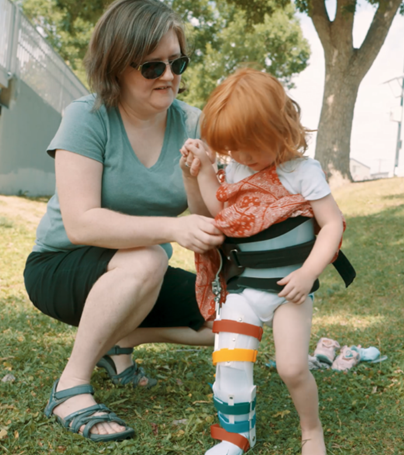
The healthcare team measured her daughter’s leg and explained how the DF2® brace would work. When they brought it in for fitting, Cora was relieved to see that it looked almost chill by comparison—simple, clean, not at all intimidating. The brace was lightweight and didn’t have scary straps or complex fastenings. It even looked a bit fun, designed in a kid-friendly way, and promised less trouble when it came to daily needs.
Life With the DF2® Brace: A Family’s Day-to-Day Story
Making the switch from the expected spica cast to the DF2® brace changed everything for Cora’s family. What might have been a month or more of agony, cleaning issues, and immobility turned into something more manageable and hopeful.
Comfort and Simplicity
Daily life was far less stressful. If the DF2® brace got dirty or a little wet—a constant concern with small children—it wasn’t a disaster. Cora’s only job was to change the sock underneath the brace if it needed laundering. No specialized trips to the doctor, no traumatic cast removals, no anxiety about keeping everything dry during baths or accidental spills.
Emotional Support and Family Bonding
A surprising blessing was seeing her older kids step up to help. They pushed their little sister around in a jogging stroller, fetched her toys, and served as mini cheerleaders. The home buzzed with teamwork, with everyone playing a role in their sister’s recovery. These little acts of kindness brought the children closer together and helped the injured child feel involved and loved.
Watching Progress and Regaining Independence
Kids often amaze adults with how well they bounce back. Within three or four weeks, Cora’s daughter was able to put weight on her healing leg thanks to the DF2® brace. Shortly after, she started standing on her own, then walking, then running just like before. Each day brought new, small victories:
- Easier diaper changes and clothing swaps
- Simple hygiene routines, just replace the sock liner
- No need for frequent brace adjustments or doctor visits
- A sense of normalcy and can-do attitude for the whole family
Benefits of the DF2® Brace:
- Allows kids to stay more engaged with family and activities
- Lightweight and breathable
- Comfortably holds the leg in the right position
- Reduces trauma associated with bulky casts
- Easier hygiene management by changing the sock liner
- No need for repeated hospital visits for cast changes
How Families Can Support A Child With a Leg Injury:
- Encourage siblings to get involved in simple ways (bringing toys, reading stories)
- Use a stroller or wagon to help with mobility
- Celebrate small progress and reassure them that healing takes time
Spica Cast vs. DF2® Brace: What’s the Real Difference?
Facing her child’s femur break, Cora’s choice between a spica cast and the brace was clear.
| Spica Cast | DF2® Brace |
| Bulky and heavy | Lightweight and less restrictive |
| Makes hygiene very difficult (especially for kids in diapers) | Simple cleaning, just change the sock |
| Must stay dry, even a little moisture is a risk | Handles daily messes with less stress |
| Frequent doctor visits to address soiling or fit issues | Fewer medical follow-ups needed |
| Physically and emotionally demanding for kids and parents | Kid-friendly design |
| Movement is limited and uncomfortable | Supports a faster return to normal activities |
Cora calls the improvement a night and day difference. Instead of dreading every day, the family found hope, comfort, and a much smoother path back to regular life.
Results: A Happy Ending and Strong Recommendation
Cora’s story ends with a strong note of hope and gratitude. After just a few weeks in the DF2® brace, her daughter was walking, playing, and enjoying life again. There was no delay or setback. In fact, her daughter now does everything she used to—and more.
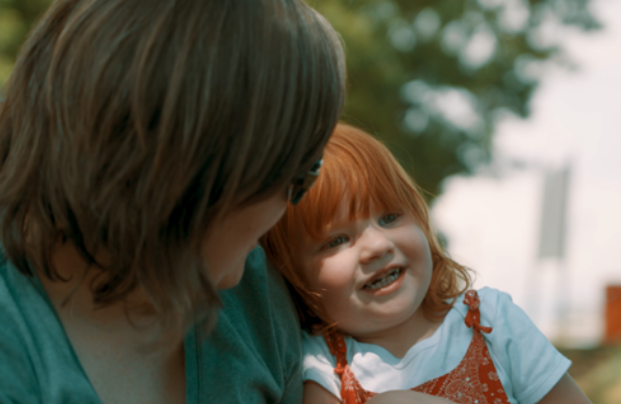
“I would absolutely recommend the DF2® to another family if you have the option. Take it. The difference between what we expected and what we got has been a huge positive experience.”
Her message to other parents is clear. If you’re offered a choice, ask your doctor about the DF2® brace. It made a world of difference for her family emotionally and practically.
If your child ever faces a similar injury, know there is hope. Treatments are changing, and some options can make recovery so much smoother than you’ve imagined.
Tips for Parents Managing a Child’s Leg Injury
Cora’s experience points to a few practical takeaways for any parent in the same situation:
- Stay open to new options. Not every injury needs an old-school cast—ask what else is available.
- Encourage family involvement. Even simple support from siblings can lift everyone’s spirits.
- Find small wins. Celebrate every step in healing, from standing up to the first walk without support.
- Keep things clean and comfy. Choose socks your child likes for under the brace, and keep a stack handy for changes.
- Don’t hesitate to ask questions. Know the pros and cons of each option and stay involved in each decision.
Final Thoughts
No one wants to see their child suffer, especially from a serious injury like a broken leg. But modern solutions like the DF2® brace can take some of the fear and burden out of the process. Cora’s family learned that with the right support, plenty of love, and the best medical tools, life goes on—and kids bounce back with amazing strength.
If you’re facing a similar situation, talk with your doctor about all available choices.
For more details and to watch Cora’s full journey, you can view the original video above.
Disclaimer:
The DF2® Brace should be used under the guidance of qualified healthcare provider. The DF2® brace is intended for femur fracture fixation and post-operative stabilization in pediatric patients from approximately 6 months to 5 years of age by providing immobilization of the femur, knee, and hip. Please consult your pediatrician or orthopedic specialist for personalized advice. This article is for informational purposes only and does not constitute medical advice. Always follow your doctor’s medical recommendations and instructions.

