
Emery’s Prosthetic Journey: How Emery Found Confidence and Joy with Her Prosthesis at OPSB
When a child gets a new prosthesis the goal is more than mobility. It’s about giving them the freedom to play, run, and grow with their friends. Emery’s story brings that idea to life, showing how the right support can make all the difference for families searching for answers.
Emery and her family, like many others, faced tough odds as a military family adjusting to a new place. Moving across the country, Emery’s family had worries as her prosthesis always slowed down and didn’t fit well. The family was nervous about finding the right fit for Emery’s prosthetic care, especially knowing they are moving to a new area. But her experience at OPSB not only improved her mobility, it changed her daily life.
Emery’s Journey to Finding the Right Prosthetic Fit
Emery’s family knows all about change. As a military family, moving is a normal part of life. Before they came to their new city, Emery received her first prosthesis at a different clinic. She was excited, but it quickly became clear things weren’t quite right.
Prior to moving, the family just didn’t know what a correct prosthetic fit should feel like. Instead of freedom, Emery got discomfort. She couldn’t wear it for more than thirty minutes at a time before needing a break. Walking didn’t come easy. For Emery and her family, this was a time of frustration and questions without easy answers.
They weren’t sure what was wrong, but it was clear something was missing. Emery couldn’t run after her siblings. Playing became a chore instead of fun. The prosthesis that was supposed to help her instead left her sitting on the sidelines. The family felt stuck, worrying not just about Emery’s legs, but her whole experience as a growing child.
How OPSB Helped Emery Thrive with Her New Prosthetic
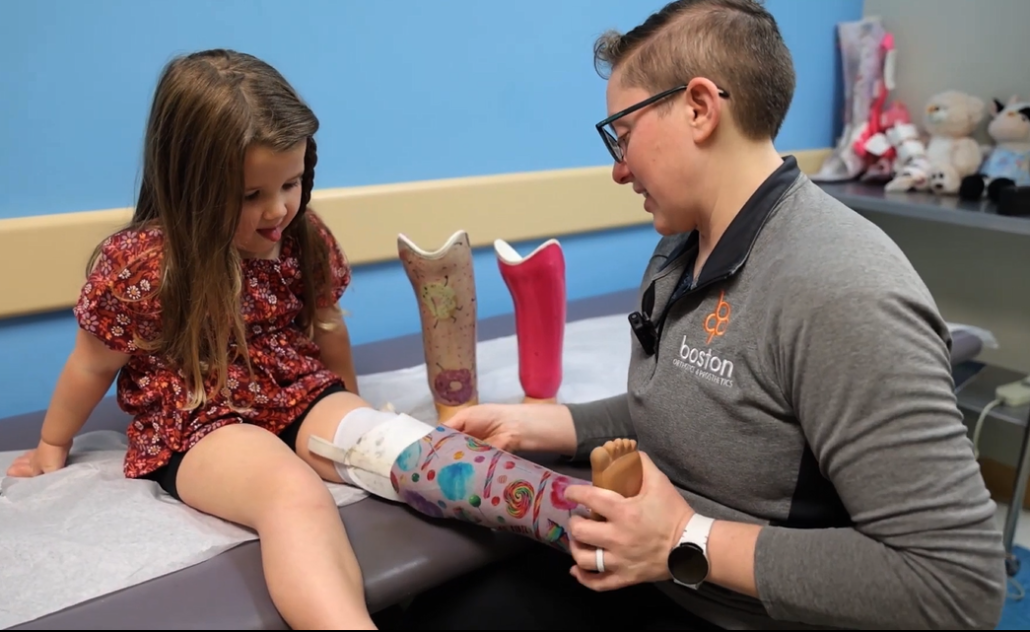
Everything changed for Emery when her family found Lauren Levey and the team at the OPSB clinic. From the start, Lauren focused on listening. She heard the details about Emery’s struggles and picked up on what made things tough for her. Instead of just checking a box, she worked to understand what Emery needed to keep up with her siblings and classmates.
The open conversations set the stage for real progress. Emery’s family finally felt heard. Lauren and the OPSB team approached each challenge with care, checking the fit, askin
g follow-up questions, and not stopping until Emery felt good about each change. They understood that families often know something’s not right, even if they can’t pinpoint the issue.
Here’s what stood out about the OPSB team’s approach:
- Quick response to any concerns about fit or comfort
- Personalized care to match Emery’s energy and activities
- Creative, collaborative problem-solving member’s of Emery’s medical care team and other family members
This method worked wonders. Now, Emery wears her prosthesis all day, instead of just a half hour. It’s no longer just a piece of equipment—it’s become a second part of her. Lauren acted quickly any time issues popped up, always fitting Emery in for a fast adjustment. This gave both Emery and her parents peace of mind.
The difference shows in the way Emery moves. She’s out there running, jumping, and playing again with energy and joy. She keeps up with her brothers and sisters, joins in games, and tries all kinds of new things. Lauren and the OPSB team made a prosthesis that fits Emery’s busy, active life—not one that holds her back.
Collaborative Care and Long-Term Planning for Emery’s Prosthesis Use
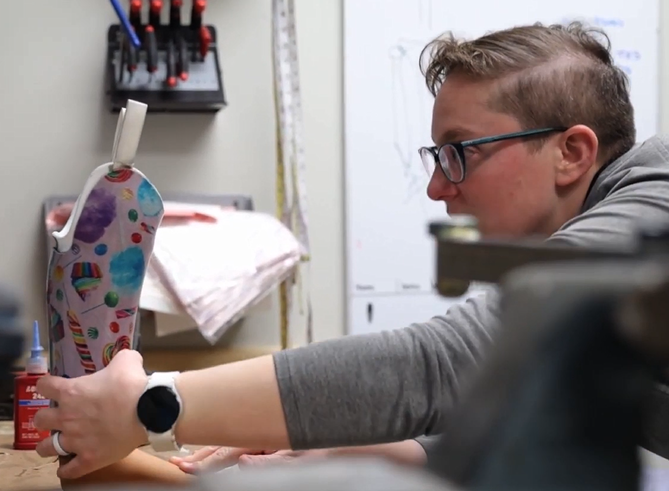
Emery’s ongoing progress did not happen by accident. It came from the partnership at OPSB, where teamwork includes not only the prosthetic experts, but also orthopedic doctors and the family. This coordinated approach is key to keeping kids like Emery set up for the challenges of today and tomorrow.
For Emery, planning for the future matters a lot. She has a longer residual limb (the part of her leg still present after amputation), which creates unique needs. Making sure she has room for the right prosthetic parts, both now and when she grows, means thinking ahead.
Lauren and the team worked with Emery’s orthopedic doctor at CHOP to look at her leg’s structure. Together, they made sure that any necessary surgeries or tweaks to her limb would keep space open for new prosthetic parts down the road. That kind of teamwork avoids surprises and ensures Emery isn’t just okay today, but also in the years ahead.
Key long-term considerations for prosthesis users like Emery:
- Planning space for new and improved prosthetic components as the child grows
- Coordinating with orthopedic doctors for related surgeries or procedures
- Regular fit & functional assessments, since kids grow and change fast
By planning with Emery’s growth and her active spirit in mind, the OPSB team supports a life of possibilities.
Making Activity-Friendly and Child-Friendly Prosthetic Devices
A child’s prosthesis should be more than functional; it should let kids be kids. Emery’s story highlights how important it is for prosthesis design to keep up with an active, bold personality.
Once Emery got her new prosthesis, she found herself able to run, jump, and play freely again. That freedom goes beyond physical movement. Kids need to join playground games, laugh on the swings, or chase their friends in tag. Physical confidence helps children like Emery thrive emotionally, too.
Comfort and ease of use come first in the fitting process. The new prosthesis had to allow flexibility for everything in Emery’s day, from sports to dress-up games.
Here are some activities Emery enjoys now that used to feel out of reach:
- Racing her siblings at the park
- Playing hide and seek for hours
- Jumping on the trampoline
- Swinging on the monkey bars
- Running during recess at school
All this is possible thanks to support from her family, Lauren, and the clinical team at OPSB. They work together, adjusting the fit as Emery grows and listening to feedback. For everyone involved, keeping the lines of communication open is key. With each adjustment, Emery’s confidence grows.
Summary of Key Takeaways from Emery’s Prosthetic Experience at OPSB
Emery’s journey shows the power of teamwork, patience, and the right support. Families facing similar challenges can take heart in these lessons:
Key Lessons from Emery’s Story
- A proper prosthetic fit is critical—comfort and function go hand in hand.
- Personalized care makes progress possible. Listen to the child’s needs and trust family input.
- Collaboration between families, prosthetists, and doctors helps children stay active and confident.
- Quick fixes and regular check-ins help kids keep doing what they love.
- Planning for both today and tomorrow means preparing for ongoing growth and activity.
With Lauren and the OPSB team’s help, Emery is more than just mobile—she’s full of energy, confidence, and joy. Her story reminds us that with the right team, every child can find their stride.

If you want to see the full transformation and hear directly from Emery’s family and the OPSB team, you can watch their inspiring story:
Emery’s experience is a powerful example of how expert care, teamwork, and a true commitment to the child’s whole well-being can turn tough beginnings into new chances for joy. For families, it’s proof that hope and help are out there—sometimes in the very next fitting room.
Disclaimer:
OPSB products and products distributed by OrthoPediatrics Corp. should be used under the guidance of qualified healthcare professional. Individual results may vary. Please consult your pediatrician or orthopedic specialist for professional advice, including intended use, warnings, precautions, side effects and contraindications. This video is for informational purposes only and does not constitute medical advice. Always follow your doctor’s recommendations and instructions.

