
Using a Brace for Femur Fracture Treatment
When the femur breaks, pain is sharp and movement feels impossible. The femur is your thigh bone, the largest and strongest bone in your body. It carries your weight, so high force or a direct hit often causes fractures. However sometimes in younger children a twist or fall that may not seem significant can cause a femur fracture as well.
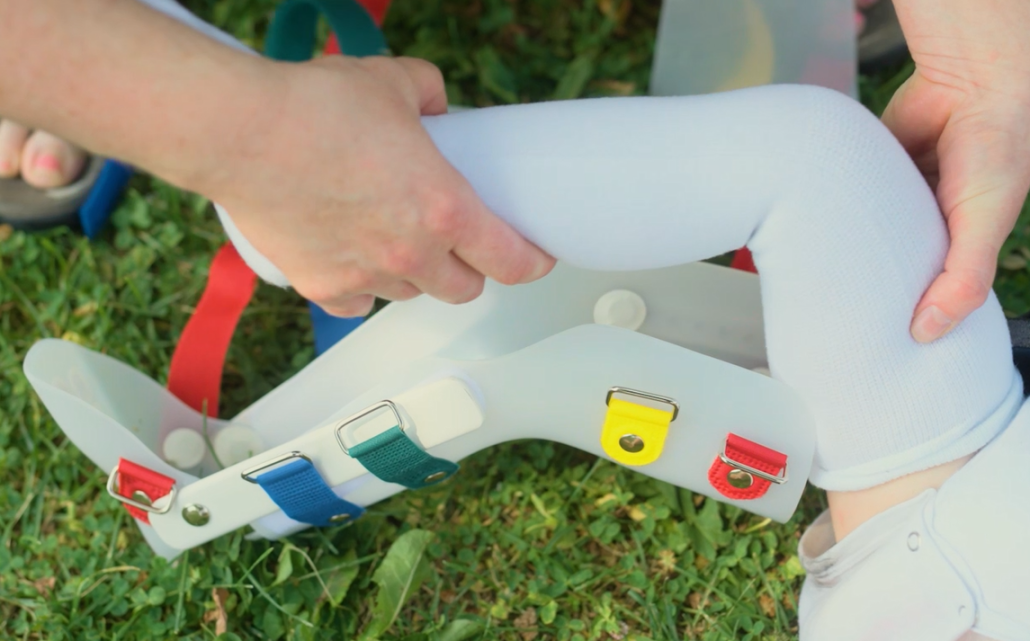
Not every femur fracture needs surgery, in fact children under 5 years of age usually do not get surgery to treat a femur fracture.. In some cases, using a fracture brace, like the DF2® brace, for femur fracture treatment is a safe, effective path. A brace supports the bone, keeps it aligned, and allows controlled movement while you heal. It can reduce the need for a full cast, which many people find heavy and limiting, and many times is applied without a general anesthetic.
This approach helps protect the injury while you start gentle activity sooner. It can adjust for swelling, improve comfort, and make daily tasks more manageable. With the right fit and plan from your care team, a femoral fracture brace supports healing and helps you stay engaged in life.
In this post, you’ll learn how femoral fracture braces work, who they suit, and what to expect day to day. We’ll cover benefits, common types, and simple tips to wear and care for your brace. You’ll also find guidance on pain control, mobility, and red flags to watch for. If you or a loved one is facing this injury, take a breath, there’s a clear path forward.
What Is a Femur Fracture and Why Choose a Brace?
The femur is your thigh bone. It supports your body and powers your steps. A femur fracture means this strong bone has cracked or broken. Breaks range from small hairline cracks to clean breaks. The type of fracture and where it sits on the bone guide treatment. In select cases, a brace is a safe, active way to heal. It holds the bone steady, is adjustable, reduces pain, and lets you move with care while the bone heals. Children tend to heal much faster than adults given their bone-making ability and remodeling due to growth.
Common Causes of Femur Breaks
Everyday life can load the thigh bone with sudden or repeated force. These are the most common triggers you should know:
- Car or bike accidents: High-speed impact can snap the femur.
- Sports collisions: Football, soccer, or rugby hits can cause breaks.
- Skiing or snowboarding falls: Twists and high force on the thigh.
When Is a Brace the Best Option?
Not every femur fracture needs surgery. In fact children under 5 usually do not require surgery to treat a femur fracture. Your doctor may determine that a brace, like the DF2® brace, is the proper treatment plan for your child.
Doctors often choose a brace when:
- The fracture is stable: Bone ends line up well and stay put.
- The location allows control: Many mid-thigh or less complex patterns.
- The patient can comply: You can limit weight, wear the brace, and attend checkups.
How a brace compares:
- Versus a cast: A brace is lighter, adjustable, and allows skin care and swelling control. It can be removed for hygiene, with guidance. A standard car seat can be used for transportation many times with a brace but not with a cast.
- Versus surgery: Avoids anesthesia and hardware. Best for stable patterns that will heal without plates or rods.
Who benefits most:
- Kids: Bones heal fast and remodel well, so braces often work.
Why choose it:
- Adjustable to maintain constant compression over the fracture
- Immobilizes the bone to hold alignment.
- Reduces pain by limiting motion at the break.
- Allows some mobility so you can start gentle activity sooner.
- Supports a steady recovery with close follow-up and repeat X-rays.
Typical timelines:
- Kids femur fractures usually heal in 4-6 weeks
The decision blends fracture type, location, age, bone health, and your ability to follow the plan. When these line up, a femoral fracture brace can be a smart, effective choice.
Types of Braces for Femur Fracture Treatment
Braces are chosen based on where the femur is broken; upper, mid, or lower. The right design limits motion at the fracture site while allowing safe activity. Most modern options use lightweight thermoplastics, fracture socks, and easy straps for comfort and control. Fitting is done by healthcare professional who measures, molds, and adjusts your brace so it supports the bone and protects skin.
The DF2® brace was specifically developed to treat femur fractures in children 6 months to 5 years old.
How to Use a Brace Effectively During Recovery
A well-fitted brace protects your femur while you build strength and confidence. Most people wear a brace full time for 4 to 6 weeks, then taper use as healing shows on X-rays. Fit, routine checks, and smart activity matter just as much as the brace itself.
Look for proper positioning each time you put it on. The thigh shell sits flat, and straps are snug without cutting into the skin. You should feel firm, even pressure, not pinching or numbness. No slipping, twisting, or gapping throughout brace wear.
Daily Care and Maintenance Tips
Small habits keep your brace safe, clean, and comfortable. Build these into your morning and night routine.
Cleaning: Wipe the shell and straps as allowed by your doctor with a damp cloth and mild soap. Pat dry. Remove liners if they are designed to come out, then hand wash and air dry. Avoid heat sources like hair dryers or radiators.
Skin checks: Look at the skin under the edges twice a day. Once can do this without entirely removing the brace. Ask your care team how to check the skin without entirely removing the brace, especially at the beginning of care right after the fracture has occurred. Stop and call your care team if you see blisters, open areas, rash, foul odor, or redness that lasts.
Strap setup: Tighten then recheck. Use the two-finger rule. You should slide two fingers under a strap with gentle effort. If the brace slides, tighten a little more.
Positioning: Center the thigh shell and align the knee with the contour for the knee in the brace before you fasten straps. The brace should not rotate when you sit.
Water and bathing: Sponge baths are used when the brace is on. Use a standard bath only if given permission by your doctor since the brace will need to be removed for a full bath. Usually a standard bath is permitted towards the end of treatment time in the 4th or 5th week.
Sleeping: Most people sleep on their back with a pillow under the calf and ankle. Side sleepers can place a pillow between the knees and ankles to keep the leg in line. Avoid lying on the brace edges.
Wear time: The brace will be worn full time for 4-6 weeks for pediatric femur fractures. Only remove the brace if allowed by your doctor.
Red flags: Call your provider if you notice increasing pain at rest, numbness, cold or blue toes, sudden swelling, fever, drainage, a hot spot under the brace, or any new deformity.
Family support: Ask a partner or friend to help with strap checks, skin checks, rides to appointments, and simple tasks. A second set of eyes catches issues early.
Schedule follow-ups as directed by your healthcare provider. Bring your brace to every appointment for adjustments.
What to Watch Out For and How to Avoid Complications
Bracing is safe when monitored. Problems usually start small, then grow. Early checks stop most issues before they matter.
Simple prevention steps that work:
- Do skin checks twice a day. This can be done without removing the brace, unless allowed by your doctor. Redness that fades in 20 to 30 minutes is common. Call if redness lasts, blisters appear, or you see drainage.
- Keep straps snug but not tight. Use the two-finger rule for proper tightness and recheck frequently.
- Elevate the leg when resting to manage swelling. Toes above heart level helps.
- Keep the brace clean and dry. Wash liners per instructions. Moist skin breaks down faster.
- Attend all follow-ups. X-rays confirm alignment. Your team will adjust straps, pads, or hinge settings.
- Use meds as prescribed. Pain control supports better breathing, sleep, and movement.
Call your doctor now if you notice:
- New or worsening pain at rest, or pain that feels different
- Numbness, tingling, or cold, pale, or blue toes
- Hot spots, foul odor, or drainage under the brace
- Sudden swelling in the calf
- The brace no longer fits or keeps sliding
Conclusion
Recent studies show that femur fracture braces, like the DF2®, heal pediatric femur fractures the same as spica casts but with added benefits like adjustability, no general anesthesia, continued ability to use existing car seat, etc.
Additional Resources:
Disclaimer
OrthoPediatrics Corp. products should be used under the guidance of qualified healthcare professional. Individual results may vary. The DF2® brace is intended for femur fracture fixation and post-operative stabilization in pediatric patients from approximately 6 months to 5 years of age by providing immobilization of the femur, knee, and hip. Please consult your pediatrician or orthopedic specialist for professional advice, including product warnings, precautions, side effects and contraindications. This article is for informational purposes only and does not constitute medical advice. Always follow your doctor’s recommendations and instructions.
MAM-MM-098

